
 Pin it
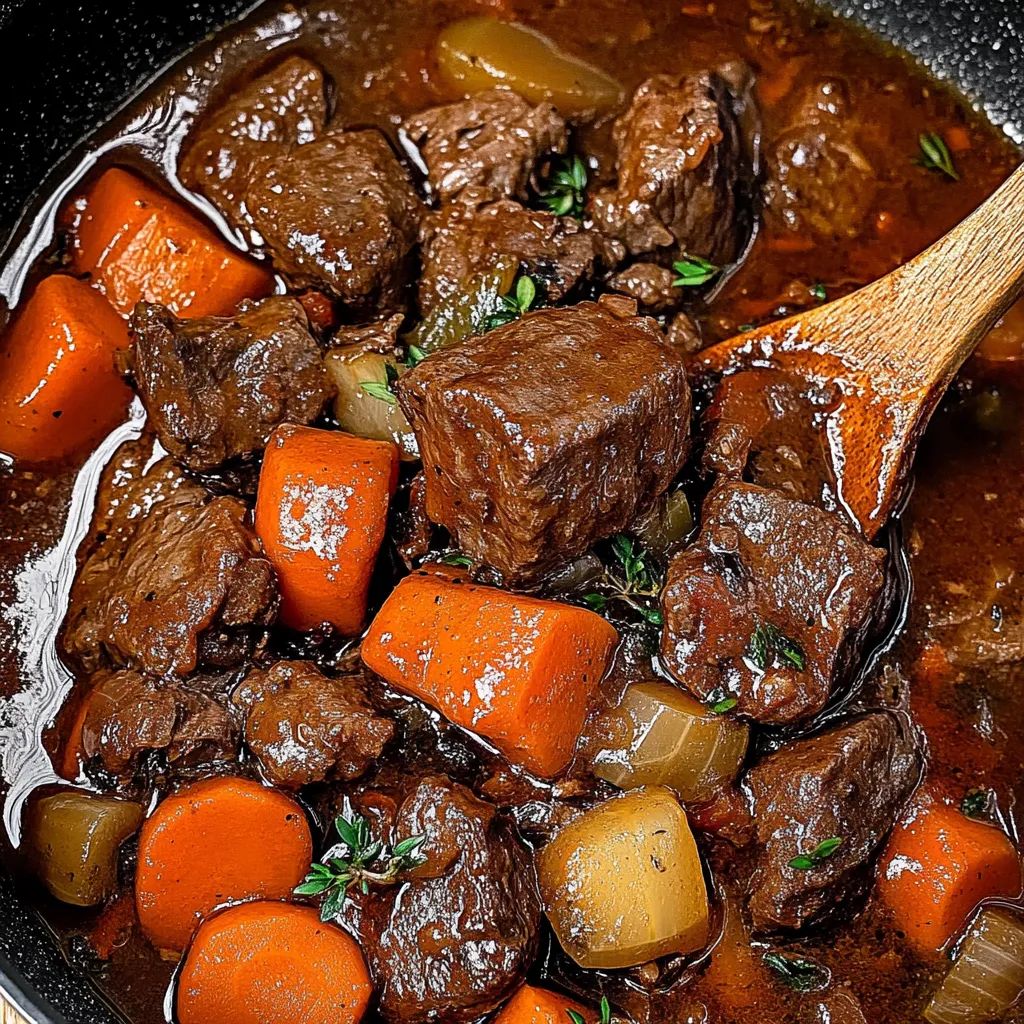
Beef bourguignon sounds impossibly fancy and intimidating - a Julia Child recipe that requires an entire Sunday afternoon, pearl onions you can't find at regular grocery stores, and probably pearls and perfect French pronunciation. But at its core, it's just beef stew's sophisticated French cousin, made special by browning everything properly, using wine instead of just broth, and taking time to develop deep, complex flavors through slow braising. The genius of making this weeknight-friendly is splitting the work across two evenings - night one you brown the beef, crisp the bacon, sauté the vegetables, and build the sauce, then refrigerate everything; night two you just slide it in the oven for a couple hours while you sip wine and pretend you're in a Parisian bistro. This approach removes the intimidation factor and makes a restaurant-quality dish achievable on busy weeknights without requiring you to stand in the kitchen for four straight hours or take a vacation day to cook dinner.
I first attempted beef bourguignon about eight years ago after watching "Julie and Julia" for the tenth time and feeling inspired. That initial attempt was a disaster because I tried to make the full Julia Child recipe on a weeknight after work, got overwhelmed, rushed the browning, and ended up with tough, bland beef in watery sauce. After learning that proper browning is non-negotiable and that splitting the work across two days removes all the stress, it became one of my most impressive yet actually achievable dinner party dishes. Now I make it regularly throughout the winter and people are always shocked when I tell them how simple it really is.
Ingredients and What Makes Them Essential
- Beef Stew Meat or Chuck Roast (2 to 2½ pounds, cut into 2-inch chunks): You need well-marbled beef that becomes tender with braising. Chuck roast is ideal because the fat and connective tissue break down during slow cooking and create incredible flavor. Stew meat is convenient if already cut. Avoid lean cuts like sirloin which dry out. The beef should be cut into substantial chunks - not tiny pieces - because they shrink during cooking.
- Thick-Cut Bacon (6 slices, chopped): Bacon adds smoky, salty depth and renders fat for browning the beef. Thick-cut bacon has better texture and doesn't burn as easily as thin bacon. Don't substitute turkey bacon which doesn't render proper fat.
- Dry Red Wine (2 cups, something you'd drink): Wine is essential for authentic bourguignon flavor. Use a dry red you'd actually drink - Pinot Noir, Cabernet Sauvignon, or Merlot all work beautifully. Pinot Noir is traditional and creates the most complex flavor. Don't use cooking wine which is too salty, or expensive wine which is wasted in cooking.
- Beef Broth (2 cups, low-sodium): Broth provides savory liquid base. Low-sodium lets you control salt levels. Use good quality broth or homemade stock if you have it.
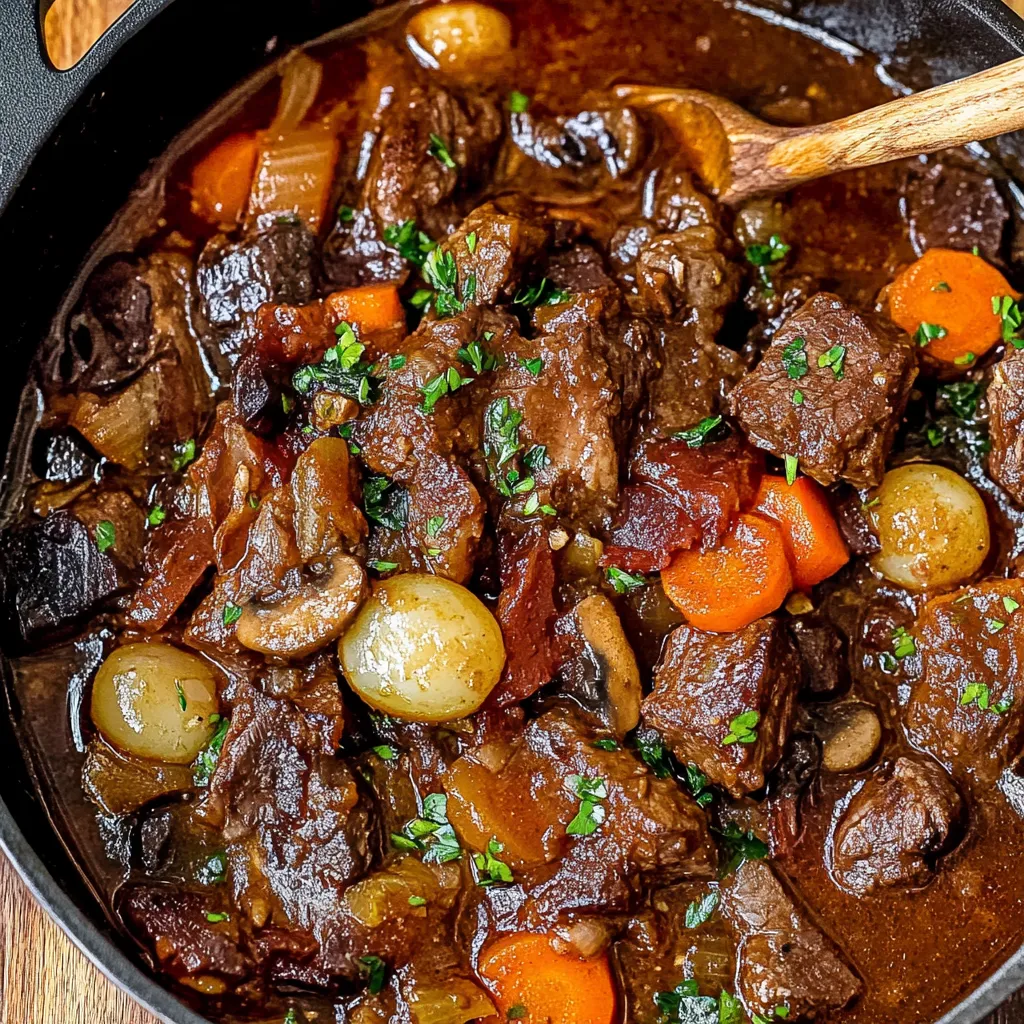
- Pearl Onions (1 cup) or Regular Yellow Onion (1 large, chopped): Pearl onions are traditional but a pain to peel. Regular chopped onion works perfectly and is much easier. If using pearl onions, buy frozen pre-peeled to save your sanity.
- Carrots (2 medium, peeled and cut into 1-inch pieces): Carrots add sweetness and color. Cut them into substantial pieces that won't disintegrate during long cooking.
- White or Cremini Mushrooms (8 ounces, quartered): Mushrooms add earthy, umami depth. White button mushrooms work fine, cremini have slightly more flavor. Quarter them so they don't shrink to nothing.
- Garlic (4 cloves, minced): Fresh garlic provides pungent, aromatic flavor. Don't substitute jarred garlic or powder.
- Tomato Paste (2 tablespoons): Tomato paste adds concentrated umami and helps create glossy sauce. Use double-concentrated paste if you have it.
- All-Purpose Flour (3 tablespoons): Flour thickens the sauce and helps create that coating consistency. Don't skip this step.
- Fresh Thyme (3-4 sprigs) or Dried Thyme (1 teaspoon): Thyme is traditional and adds herbal notes that complement beef and wine. Fresh is preferable but dried works.
- Bay Leaf (1): Bay leaf adds subtle aromatic complexity. Remove before serving.
- Olive Oil (as needed for browning): You'll need additional fat beyond bacon grease for browning all the beef. Use neutral vegetable oil if preferred.
- Salt and Black Pepper (to taste): Season the beef before browning and adjust the finished dish. Freshly ground pepper tastes better than pre-ground.
Step-by-Step Instructions
Day One - The Prep Night (about 30-40 minutes active time):
- Brown the Bacon:
- Preheat your oven to 325°F so it's ready for day two. Place a large Dutch oven or heavy oven-safe pot with a lid over medium heat. Add 6 slices of chopped bacon and cook, stirring occasionally, for about 6 to 8 minutes until the bacon is crispy and golden brown and has rendered its fat. Use a slotted spoon to remove the bacon to a plate, leaving all the rendered fat in the pot. Don't drain that bacon fat - it's liquid gold for browning beef.
- Brown the Beef:
- Pat your beef chunks completely dry with paper towels - wet meat won't brown properly. Season all the beef generously on all sides with salt and black pepper. Increase the heat under your pot to medium-high and let the bacon fat get very hot. Working in batches - probably three batches for 2½ pounds of beef - add beef chunks in a single layer with space between each piece. Don't crowd the pan or the beef will steam instead of sear. Let each piece sit completely undisturbed for 3 to 4 minutes until a deep brown crust forms on the bottom. Use tongs to flip and brown another side, then another, until each piece has good color on at least three sides. This browning step takes patience - probably 20 minutes total - but it's where all the flavor comes from, so don't rush. Transfer browned beef to a plate and repeat with remaining batches, adding a tablespoon of olive oil between batches if the pot looks dry.
- Sauté the Vegetables:
- Once all beef is browned and removed, add your chopped onion (or pearl onions), carrot pieces, and quartered mushrooms to the pot. Cook, stirring occasionally, for about 5 minutes until the vegetables begin to soften and the onions turn translucent. Add 4 cloves of minced garlic and cook for another minute, stirring constantly, until fragrant. Add 3 tablespoons of flour and stir to coat everything. Cook, stirring constantly, for about 2 minutes. The flour will look dry and pasty but it needs this cooking time to remove raw flour taste and create thickening base.
- Build the Stew:
- Add 2 tablespoons of tomato paste and stir it into the vegetables for about 1 minute. Return the browned beef and crispy bacon to the pot. Add 2 cups of red wine and use a wooden spoon to scrape the bottom of the pot vigorously, releasing all those delicious browned bits stuck to the bottom - this is called deglazing and captures tremendous flavor. Add 2 cups of beef broth, 3 to 4 sprigs of fresh thyme (or 1 teaspoon dried), and 1 bay leaf. Stir everything together and bring to a boil over high heat. Once boiling, turn off the heat.
- Cool and Store:
- At this point, you can either proceed to braising immediately if you have time, or - and this is the weeknight magic - let the pot cool to room temperature, cover it with the lid or plastic wrap, and refrigerate overnight. The overnight rest actually improves flavor as everything melds together. This is your prep night done. Clean up your kitchen, pour a glass of the wine you used for cooking, and relax knowing tomorrow's dinner is mostly handled.
Day Two - The Payoff Night (about 2½ hours unattended oven time):
- Braise in the Oven:
- If you refrigerated the stew overnight, take it out about 30 minutes before cooking to take the chill off, though you can also put it straight in the oven from cold. Preheat your oven to 325°F. Place the covered pot in the oven and set a timer for 2 hours. Don't peek or stir during this time - just let it braise undisturbed. After 2 hours, carefully remove the pot from the oven (use oven mitts - the handles are hot), remove the lid, stir gently, and return to the oven uncovered for another 30 minutes. This final uncovered time allows the sauce to reduce and thicken while concentrating flavors. The beef is done when it's completely tender and falls apart easily when pressed with a fork, but still holds its shape rather than disintegrating into shreds.
- Finish and Serve:
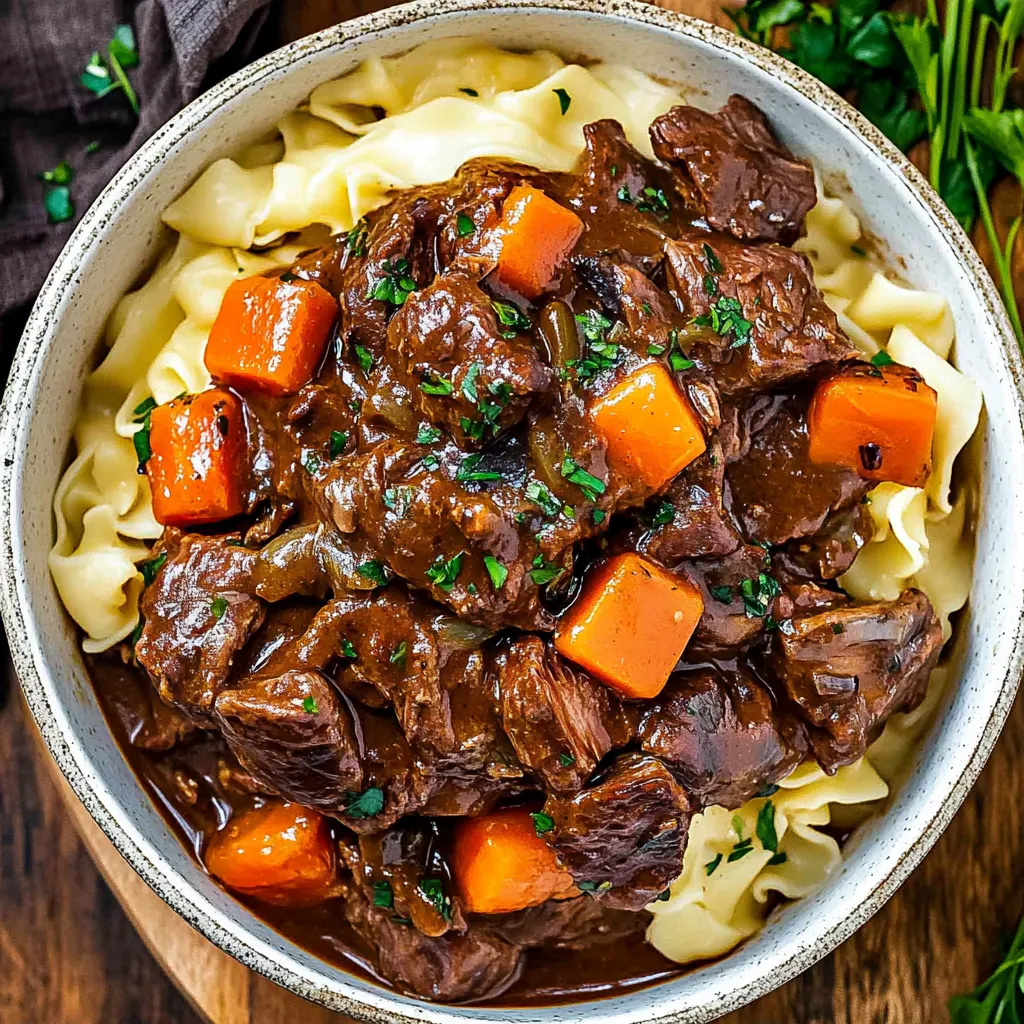
- Remove the pot from the oven. Fish out and discard the bay leaf and thyme sprigs. Taste the sauce and adjust seasoning with salt and pepper. If the sauce seems too thin, you can simmer it on the stovetop for a few minutes uncovered to reduce further. If it's too thick, add a splash of broth to loosen. Ladle the beef bourguignon over mashed potatoes, creamy polenta, egg noodles, or alongside crusty bread. Garnish with chopped fresh parsley if desired. Pour yourself a generous glass of wine and enjoy.
 Pin it
My best friend claims she can't cook and only makes pasta and grilled cheese. When I told her about splitting beef bourguignon across two nights, she was skeptical but tried it for a dinner party. She called me afterwards genuinely shocked that it had worked and that her guests thought she was some kind of culinary genius. She said the hardest part was not eating it all herself before the party because it smelled so good. Now she makes it regularly and has stopped claiming she can't cook. Getting the non-cook friend to successfully make Julia Child-inspired food feels like a genuine accomplishment.
Understanding the Importance of Browning
The browning step isn't optional fussiness - it's the foundation of beef bourguignon's deep, complex flavor. When you sear beef at high heat, the Maillard reaction occurs between amino acids and sugars, creating hundreds of new flavor compounds that taste savory, meaty, and complex. This reaction only happens above 300°F, which is why you need high heat and dry meat. Wet meat steams instead of searing because the water must evaporate before temperature can rise enough for browning. The dark crust that forms is packed with flavor. The browned bits that stick to the pot, called fond, contain highly concentrated flavor that gets released when you deglaze with wine. Skipping proper browning creates bland beef in boring sauce, while taking time to brown properly creates restaurant-quality depth. This is why traditional recipes obsess over browning - it's genuinely that important.
The Role of Wine in Creating Authentic Flavor
Wine isn't just fancy French affectation - it fundamentally changes the character of beef bourguignon and separates it from regular beef stew. Wine contains hundreds of flavor compounds from fermentation, including acids, tannins, and aromatic compounds that add complexity impossible to achieve with broth alone. The alcohol acts as a solvent, extracting and distributing flavors from the beef and vegetables. During long braising, much of the alcohol evaporates while the concentrated wine flavor remains, creating that characteristic glossy sauce. The acidity brightens all the other flavors and cuts through the richness of beef and bacon. Tannins in red wine help tenderize meat. The choice of wine matters - Pinot Noir is traditional and creates lighter, more elegant flavor; Cabernet creates bolder, more robust sauce. Don't use cooking wine which is terrible quality and too salty. Use wine good enough to drink but not so expensive it feels wasteful.
Why Splitting Across Two Days Works So Well
The two-day approach isn't just about convenience - it actually improves the final dish while making it more manageable. Day one's prep work - browning, sautéing, building the stew - takes maybe 40 minutes of active time, which is doable on a weeknight after work. Refrigerating overnight allows flavors to meld as ingredients exchange flavor compounds, similar to how chili or curry tastes better the next day. The cold beef and vegetables also absorb seasoning more thoroughly. Day two requires only sliding the pot into the oven and occasionally checking it, freeing you to do other things like work from home, help kids with homework, or just relax. The braising happens unattended. This split approach removes the intimidation factor of committing four hours to one recipe, making fancy French cooking accessible to busy people. It also spreads out cleanup across two days rather than facing a disaster kitchen at 10pm.
The Science of Braising and Tender Beef
Braising is a cooking method specifically designed to transform tough, collagen-rich cuts into tender, flavorful meat. Tough cuts like chuck contain significant connective tissue made of collagen. When heated slowly in liquid at low temperatures (around 325°F), collagen gradually breaks down into gelatin over several hours. Gelatin is what makes braised meat tender and gives sauce rich, glossy body. This transformation requires time and gentle heat - rushing it at high temperatures or cooking too briefly leaves meat tough, while proper braising makes it fork-tender. The liquid prevents the meat from drying out while collagen converts. This is why expensive tender cuts like tenderloin aren't used for braising - they don't have the connective tissue that transforms into gelatin. Chuck, brisket, or short ribs are ideal braising cuts. The sweet spot is when beef is tender enough to fall apart with a fork but still holds its shape - go too far and it shreds into strings.
Equipment Considerations and Alternatives
A Dutch oven is ideal for beef bourguignon because it goes from stovetop to oven seamlessly, retains heat well, and distributes it evenly. The heavy lid traps moisture for proper braising. However, you don't need fancy Le Creuset - any heavy, oven-safe pot with a tight-fitting lid works. Cast iron Dutch ovens are affordable and excellent. If you don't have a Dutch oven, use a heavy pot for the stovetop steps, then transfer everything to a baking dish, cover tightly with aluminum foil, and braise in the oven. For slow cooker adaptation, complete all the browning and sautéing in a skillet, transfer to the slow cooker with liquids, and cook on low for 8 hours. For Instant Pot, use sauté function for browning, add liquids and set to pressure cook for 45 minutes with natural release. The pressure cooker is faster but doesn't develop quite the same depth as traditional braising.
Storage, Reheating, and Make-Ahead
Beef bourguignon is one of those rare dishes that's genuinely better the second day after flavors have fully melded. Let the braised stew cool to room temperature, transfer to airtight containers, and refrigerate for up to 4 days. The sauce will gel when cold due to the gelatin from collagen - this is normal and desirable. To reheat, place in a pot over medium-low heat, adding a splash of broth if needed to loosen the sauce. Heat gently until warmed through. Or microwave individual portions, stirring halfway through. For freezing, cool completely, portion into freezer-safe containers, and freeze for up to 3 months. The beef and sauce freeze beautifully while maintaining quality. Thaw overnight in the refrigerator before reheating. For make-ahead entertaining, make the entire dish 1 to 2 days before serving and refrigerate. Reheat gently before the party. The flavors will be even better and you'll be less stressed.
Variations and Shortcuts
While the recipe is already simplified, you can adapt further based on needs. For no-wine version, substitute additional broth plus 2 tablespoons of balsamic vinegar or red wine vinegar for tang and depth. For vegetable variations, add parsnips, turnips, or celery along with carrots. For richer sauce, add a tablespoon of butter at the end. For easier cleanup, line your Dutch oven with a slow cooker liner before starting. For more vegetables, increase mushrooms and carrots. For traditional garnish, sprinkle with chopped fresh parsley and serve with pearl onions sautéed separately. For gluten-free, substitute cornstarch for flour - use 2 tablespoons mixed with cold water added at the end. Each variation maintains the core technique while accommodating preferences or restrictions.
Serving Suggestions and Pairing Ideas
Beef bourguignon demands starchy accompaniments to soak up the incredible sauce. Mashed potatoes are classic - creamy mashed potatoes or garlic mashed potatoes both work beautifully. Egg noodles are traditional and perfect for twirling with the beef and sauce. Creamy polenta provides Italian comfort that complements the French stew surprisingly well. Crusty bread - baguette, sourdough, or no-knead artisan bread - is essential for mopping up every drop of sauce. For vegetables, serve with simple green beans, roasted Brussels sprouts, or a crisp green salad to balance the richness. For wine pairing, serve the same red wine you cooked with, or try a Burgundy, Côtes du Rhône, or Pinot Noir. The dish is rich enough that it doesn't need much else - some bread, some greens, good wine, and you have an impressive meal.
Troubleshooting Common Problems
When beef bourguignon doesn't turn out right, there's usually a fixable cause. If the beef is tough, you didn't braise long enough - continue cooking until fork-tender. If it's stringy and dry, you overcooked it - start checking at 2½ hours and remove when just tender. If the sauce tastes bitter, you burnt the garlic or over-reduced the wine - stir in a teaspoon of sugar or butter to balance. If it's too thin, simmer uncovered on the stovetop to reduce and concentrate. If too thick, add broth to thin. If it tastes flat and bland, you underseasoned or didn't brown properly - season generously and ensure good searing. If the wine flavor is too strong, you didn't cook it long enough for alcohol to mellow - continue simmering. Most issues relate to browning quality, braising time, or seasoning levels, all correctable with attention to technique.
 Pin it
After making beef bourguignon probably fifty times over the past eight years using various methods, splitting it across two nights has become my standard approach because it removes all the stress and intimidation while actually improving the final result. I appreciate how day one's forty minutes of browning and assembly feels manageable after work, and how day two's unattended braising means I can work, exercise, or just relax while dinner cooks itself. The flavors that develop overnight make it taste better than same-day cooking. Serving something that people think required hours of dedicated effort when you actually spent less than an hour of active work total feels like getting away with something. This represents exactly what good home cooking should be - impressive results through understanding proper technique rather than complicated recipes, practical enough for busy weeknights, genuinely delicious enough for special occasions, and way better than what most restaurants serve once you master the basics.
Frequently Asked Questions
- → What kind of beef should I use for bourguignon?
- Chuck roast or stewing beef works best. You want meat with some fat marbling so it stays tender during the long cooking time. Avoid lean cuts—they'll dry out.
- → Can I make this without wine?
- Wine is pretty central to this dish, but you can use extra beef broth with a splash of red wine vinegar if needed. The flavor won't be quite the same though.
- → Do I really need pearl onions?
- Nope! Regular onions cut into chunks work just fine. Pearl onions look prettier but don't stress if you can't find them.
- → Can I make beef bourguignon in a slow cooker?
- Yes! Brown everything on the stove first, then transfer to your slow cooker and cook on low for 6-8 hours. Just as delicious with less hands-on time.
- → How do I make the sauce thicker?
- Remove the lid for the last 30 minutes of cooking to let it reduce. You can also mash some of the cooked vegetables into the sauce or add a cornstarch slurry.
- → What wine is best for this recipe?
- Use a dry red wine you'd drink. Burgundy is traditional, but Pinot Noir, Cabernet, or Merlot all work great. Don't use cooking wine—it tastes terrible.