
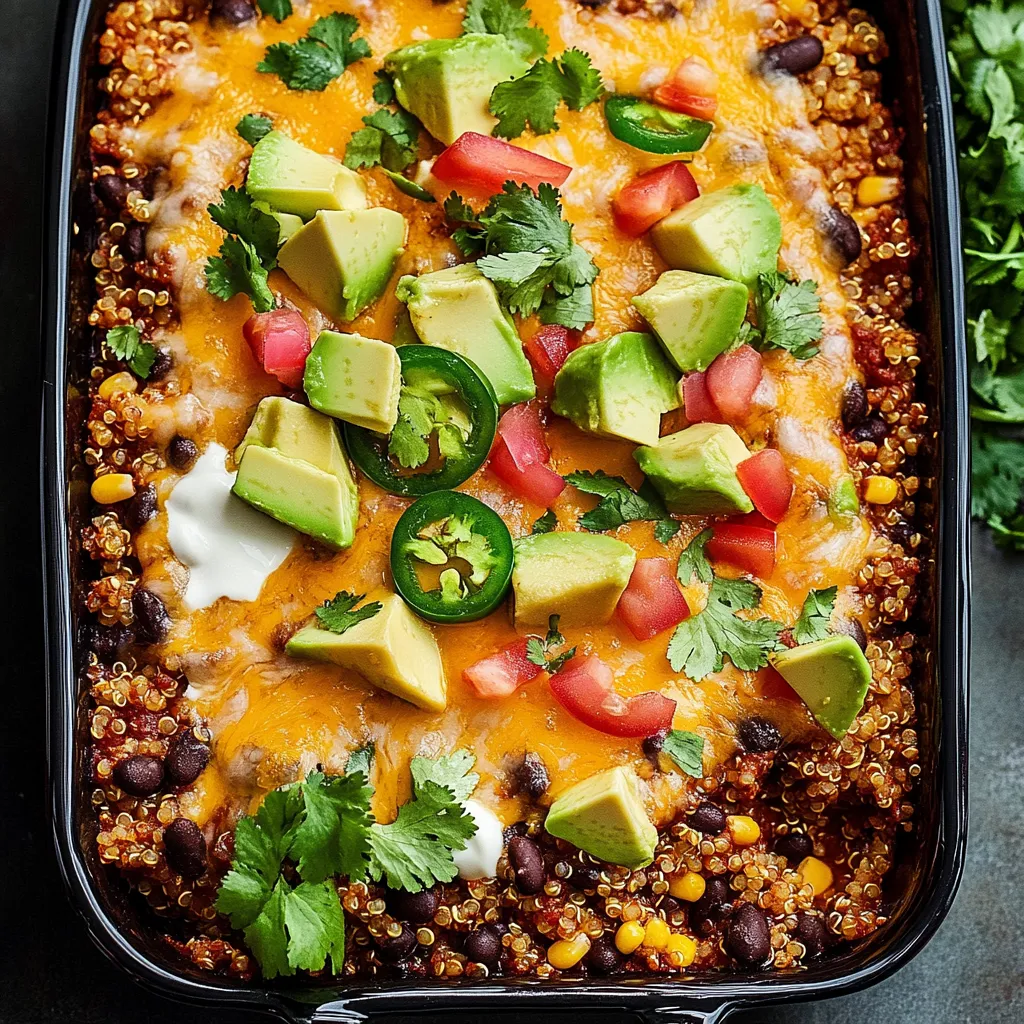
 Pin it
Black bean quinoa enchilada bake is one of those vegetarian casseroles that even meat-eaters request repeatedly - layers of cooked quinoa, black beans, sautéed peppers and corn, all mixed with enchilada sauce and topped with melted cheese, then baked until bubbling. The dish captures all the flavors of traditional enchiladas - tangy enchilada sauce, warm spices, melted cheese - without the fiddly process of filling and rolling individual tortillas that inevitably tear or leak. What makes this particularly appealing is how it works as a complete meal in one dish with protein from quinoa and beans, vegetables throughout, and enough substance that nobody misses the meat, plus how it actually improves after a day in the refrigerator as the flavors meld, making leftovers genuinely exciting rather than obligatory.
I started making this enchilada bake about nine years ago when I was trying to incorporate more meatless meals but my family was resistant to anything labeled "vegetarian." The first version I made used store-bought enchilada sauce that tasted tinny and one-dimensional. After learning that homemade enchilada sauce takes maybe fifteen minutes and transforms the entire dish, and that sautéing the vegetables first develops deeper flavor than just mixing everything raw, it became one of those meals I make every few weeks. Now my kids request it specifically, and my meat-loving husband never complains about the lack of chicken or beef.
Ingredients and What Makes Them Essential
- Quinoa (1 cup dry, yielding about 3 cups cooked): Quinoa provides protein, complete amino acids, and fluffy texture that absorbs enchilada sauce beautifully. Rinse it thoroughly under cold water before cooking to remove saponin (a natural coating that tastes bitter). Cook according to package directions - usually 2:1 water to quinoa ratio, simmered for 15 minutes.
- Olive Oil (1 tablespoon): Oil provides fat for sautéing vegetables. You can substitute avocado oil or vegetable oil.
- Yellow Onion (1 medium, diced): Onion provides savory base flavor. Dice into ¼-inch pieces for even cooking.
- Garlic (3 cloves, minced): Fresh garlic adds pungent, aromatic depth. Don't substitute jarred garlic or powder which taste completely different.
- Jalapeño (1, seeded and diced): Jalapeño adds mild heat and flavor. Remove seeds and membranes for less heat, or leave them for spicier version.
- Bell Peppers (2, any color, diced): Bell peppers add sweet flavor, color, and texture. Use red, orange, or yellow for sweeter flavor than green.
- Corn (1½ cups, fresh or frozen): Corn adds sweetness and textural contrast. Frozen corn works perfectly and doesn't need thawing. Fresh corn cut from the cob is excellent when in season.
- Fresh Lime Juice (2 tablespoons, from 1 lime): Fresh lime juice adds brightness and balances richness. Don't use bottled which tastes flat.
- Ground Cumin (1 teaspoon): Cumin provides earthy, warm notes essential to Mexican-style seasoning.
- Chili Powder (1 teaspoon): Chili powder adds mild heat and depth. Use regular chili powder, not cayenne.
- Fresh Cilantro (½ cup, chopped): Fresh cilantro adds bright, herbal notes. Use just the leaves, not stems. If you hate cilantro, substitute parsley or omit.
- Black Beans (two 15-ounce cans, drained and rinsed): Black beans provide protein, fiber, and creamy texture. Rinse them thoroughly to remove excess sodium and starchy liquid.
- Enchilada Sauce (2 cups): Enchilada sauce provides the essential tangy, spiced flavor. Homemade is dramatically better than store-bought if you have time, but quality store-bought works fine.
- Shredded Mexican Blend Cheese or Cheddar (2 cups, divided): Cheese provides melty richness and holds everything together. Use half mixed into the filling, half on top for golden, bubbly finish.
- Kosher Salt and Black Pepper (to taste): Season throughout for layered flavor.
Step-by-Step Instructions
- Prep and Cook Quinoa:
- Preheat your oven to 350°F and grease a 9x13-inch baking dish with cooking spray or butter. Place 1 cup of quinoa in a fine-mesh strainer and rinse under cold running water for about 30 seconds, rubbing the grains gently with your fingers. This removes the saponin coating that tastes bitter. In a medium saucepan, combine the rinsed quinoa with 2 cups of water and a pinch of salt. Bring to a boil over high heat, then reduce heat to low, cover, and simmer for 15 minutes until the water is absorbed and quinoa is tender. Remove from heat and let sit covered for 5 minutes, then fluff with a fork. You should have about 3 cups of cooked quinoa. Set aside.
- Sauté the Vegetables:
- While the quinoa cooks, heat 1 tablespoon of olive oil in a large skillet over medium-high heat. Add 1 diced onion, 3 cloves of minced garlic, and 1 diced jalapeño (seeds removed). Sauté, stirring frequently, for about 3 to 4 minutes until the onion softens and becomes translucent. Add 2 diced bell peppers and 1½ cups of corn. Continue cooking for another 3 to 4 minutes, stirring occasionally, until the peppers are tender-crisp and the corn is heated through. The vegetables should be cooked but still have some texture.
- Season the Vegetables:
- Add 2 tablespoons of fresh lime juice, 1 teaspoon of cumin, 1 teaspoon of chili powder, and ½ cup of chopped cilantro to the skillet with the vegetables. Stir everything together for about 1 minute until fragrant and well combined. Season with salt and black pepper to taste - start with about ½ teaspoon of salt. Remove from heat.
- Combine Everything:
- In a large mixing bowl, combine the cooked quinoa, drained and rinsed black beans (from 2 cans), and the sautéed vegetable mixture. Stir well to distribute everything evenly. Pour in 2 cups of enchilada sauce and stir until everything is coated. Add 1 cup of shredded cheese (half the total) and stir to incorporate. Taste the mixture and adjust seasoning with more salt and pepper if needed.
- Assemble the Casserole:
- Pour the quinoa-bean-vegetable mixture into the prepared 9x13-inch baking dish, spreading it into an even layer with a spatula. Sprinkle the remaining 1 cup of shredded cheese evenly over the top.
- Bake:
- Cover the baking dish tightly with aluminum foil. Place in the preheated 350°F oven and bake for 20 minutes. After 20 minutes, remove the foil and continue baking uncovered for another 10 minutes, or until the cheese on top is melted, golden, and bubbly, and the edges are bubbling. The casserole should be heated through completely.
- Rest and Serve:
- Remove from the oven and let the casserole rest for about 10 minutes before serving. This allows it to set slightly and makes serving easier - the first scoop won't be as messy. Serve hot with your favorite toppings and tortilla chips for scooping.
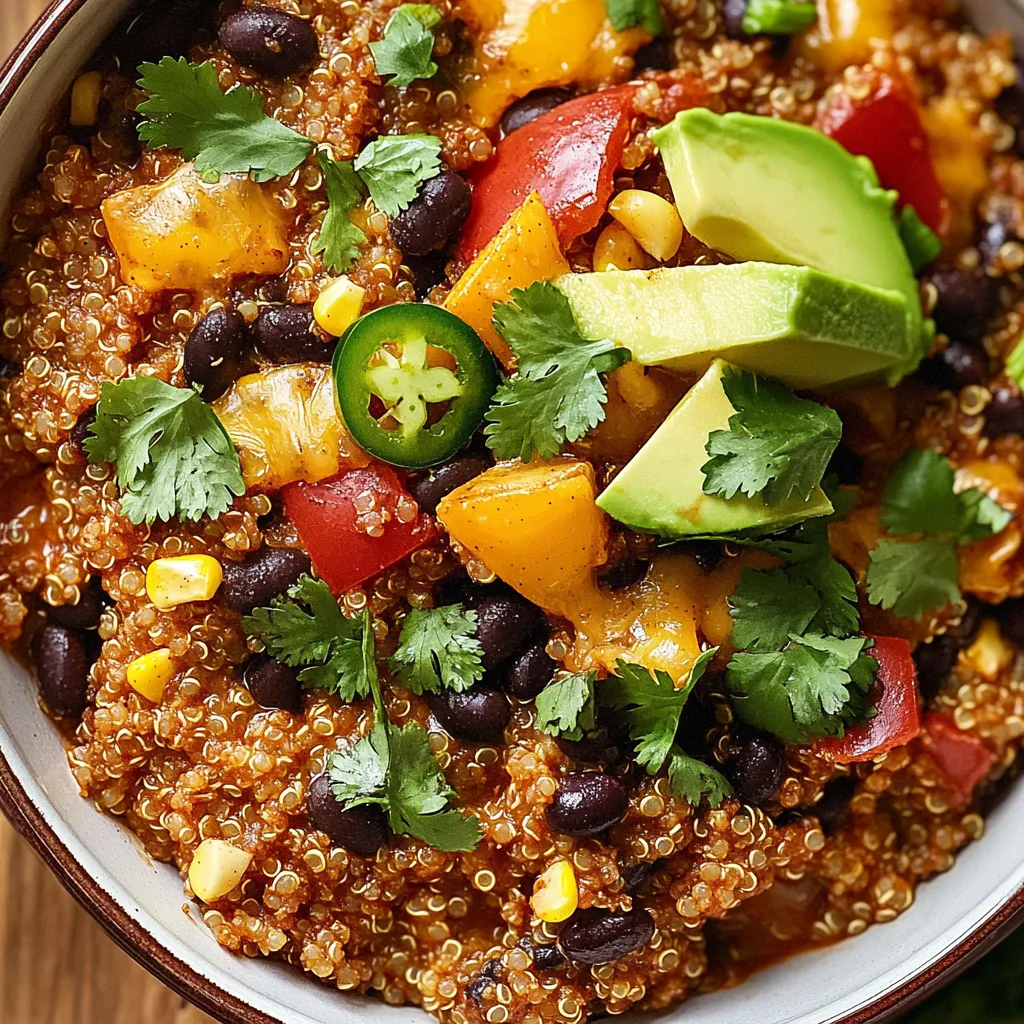 Pin it
My brother-in-law who refuses to eat "health food" and claims quinoa is "birdseed" tried this enchilada bake at a family dinner without asking what was in it. He ate two large servings and requested the recipe before learning it contained quinoa and was actually vegetarian. When I told him, he looked betrayed and insisted it couldn't be quinoa because he hates quinoa. Now he eats it regularly but refuses to call it by name. Converting the quinoa-hater through proper seasoning and context feels like a genuine victory.
Understanding Quinoa and Why It Works Here
Quinoa is technically a seed, not a grain, but cooks and behaves like a grain. It's a complete protein, meaning it contains all nine essential amino acids - rare for plant foods. One cup of cooked quinoa provides about 8 grams of protein and 5 grams of fiber. The texture is light and fluffy when properly cooked, with a slight nutty flavor. In this casserole, quinoa serves multiple purposes: it provides protein and substance that makes the dish filling, it absorbs the enchilada sauce beautifully (unlike rice which can become mushy), and its neutral flavor takes on whatever seasonings you add. The key is rinsing before cooking to remove saponin, a natural coating that protects the seeds from birds and insects but tastes bitter to humans. Most packaged quinoa is pre-rinsed, but rinsing again ensures no bitterness.
Why Sautéing Vegetables First Matters
The instruction to sauté vegetables before mixing them into the casserole isn't optional - it fundamentally affects texture and flavor. Raw vegetables contain significant water that they release during cooking. If you mixed raw peppers, onions, and corn into the casserole, they would release this water during baking, creating a soggy, watery casserole instead of a cohesive, scoopable one. Sautéing drives off excess moisture and develops deeper flavor through caramelization and the Maillard reaction. The brief high-heat cooking concentrates flavors and creates complexity. Sautéing also allows you to season the vegetables directly, creating layers of flavor throughout the dish rather than just seasoning the surface. The extra ten minutes of sautéing makes the difference between good and exceptional.
Homemade Versus Store-Bought Enchilada Sauce
The enchilada sauce is the dominant flavor in this dish, so quality matters. Store-bought enchilada sauce varies wildly - some are decent, but many taste tinny, over-salted, and one-dimensional because they're made with chile powder rather than actual chiles and contain preservatives. Homemade enchilada sauce starts with dried chiles (usually guajillo, ancho, or California chiles) that are toasted, rehydrated, and blended with tomatoes, garlic, and spices. The result is complex, deep flavor with layers of heat, sweetness, and earthiness that store-bought versions can't match. Making it requires about 15 minutes of active work. If you use store-bought, choose brands with minimal ingredients and no added sugar or preservatives. The flavor difference between mediocre store-bought and homemade enchilada sauce is the difference between okay dinner and crave-worthy meal.
The Role of Cheese in Structure
The recipe uses cheese in two ways - mixed into the filling and sprinkled on top - and both are intentional. The 1 cup of cheese mixed into the quinoa-bean mixture melts during baking and acts as a binder, helping everything hold together when you scoop servings. This interior cheese also contributes flavor throughout rather than just on top. The 1 cup of cheese on top creates the golden, bubbly, slightly crispy layer that provides textural contrast and visual appeal. As it melts and browns slightly during the uncovered baking time, it creates that characteristic enchilada casserole appearance. Using all the cheese on top would make the filling dry and crumbly, while mixing all of it in would leave you without that appealing cheesy top. The division creates both structure and appeal.
Storage, Reheating, and Freezing
This casserole stores and reheats exceptionally well. Let it cool completely, then cover tightly with foil or transfer portions to airtight containers. Refrigerate for up to 5 days. The flavor actually improves after a day as the quinoa continues absorbing sauce and everything melds. To reheat, microwave individual portions for 2-3 minutes until heated through, or reheat the entire casserole covered with foil in a 350°F oven for about 20 minutes. For freezing, cool completely, then wrap tightly in plastic wrap and foil or use a freezer-safe container. Freeze for up to 3 months. Thaw overnight in the refrigerator, then reheat as directed. The texture changes very slightly after freezing - the quinoa may be a bit softer - but it's still excellent. This is ideal for meal prep or making double batches.
Topping Ideas and Serving Suggestions
The toppings aren't just garnish - they add essential textural contrast and fresh flavors that balance the rich, baked casserole. For classic toppings, serve with diced avocado or guacamole for creamy richness, sour cream or Greek yogurt for tang, fresh cilantro for brightness, lime wedges for acidity, and tortilla chips for salty crunch and scooping. For additional options, try pico de gallo or salsa for fresh tomato flavor, pickled jalapeños for heat, pickled red onions for tang, sliced radishes for peppery crunch, black olives for briny notes, or crumbled queso fresco for salty, milky contrast. Set out a spread of toppings and let everyone customize their own bowl. The tortilla chips are particularly essential - using them to scoop up bites of the casserole with all the toppings is the best way to eat this.
Variations and Customization Ideas
While the base recipe is excellent, you can create variations for different preferences or what you have available. For meat addition, stir in 2 cups of cooked, shredded chicken or ground beef. For spicier versions, add cayenne pepper, use hot enchilada sauce, or include diced chipotle peppers in adobo. For different beans, substitute pinto beans, kidney beans, or a combination. For different grains, use brown rice or cauliflower rice instead of quinoa. For vegan version, omit cheese or use dairy-free cheese alternatives. For different vegetables, add zucchini, mushrooms, or spinach with the peppers. For extra protein, add cooked, crumbled tempeh or tofu. Each variation maintains the casserole structure while creating different flavor profiles.
Troubleshooting Common Problems
When enchilada bake doesn't turn out right, there's usually a fixable cause. If it's watery and won't hold together, you didn't sauté the vegetables first or used too much sauce - always sauté vegetables and use 2 cups sauce maximum. If quinoa is bitter, you didn't rinse it - always rinse thoroughly. If it's bland, you underseasoned or used poor quality enchilada sauce - season generously and use good sauce. If the top burns before the center heats, your oven is too hot - reduce to 325°F and cover with foil longer. If it's dry, you didn't use enough sauce or overbaked it - use full 2 cups sauce and don't bake beyond 30 minutes total. If cheese won't melt, it's low-quality or you baked covered too long - use good cheese and uncover for last 10 minutes. Most issues relate to sauce quality, vegetable preparation, or baking time.
 Pin it
After making this black bean quinoa enchilada bake probably a hundred times over the past nine years, it's become one of those meals I rely on constantly because it satisfies everyone - vegetarians, meat-eaters, picky kids - while actually being nutritious and substantial. I appreciate how it captures authentic enchilada flavors without the tedious rolling process, and how the quinoa and beans create genuine satisfaction without meat. The fact that leftovers improve after a day removes the disappointment of eating the same thing twice. Knowing the simple secrets - rinse quinoa, sauté vegetables, use good sauce - transforms something that could be boring vegetarian casserole into something genuinely crave-worthy. This represents exactly what weeknight cooking should be - practical enough to make regularly, nutritious enough to feel good about, delicious enough that people request it, and freezer-friendly enough to save future-you from takeout.
Frequently Asked Questions
- → Can I make this black bean quinoa bake ahead of time?
- Yes! Assemble the entire dish, cover it tightly, and refrigerate for up to 24 hours before baking. You might need to add 5-10 extra minutes to the baking time since it's cold from the fridge.
- → What can I use instead of quinoa in this recipe?
- Brown rice or white rice work great as substitutes. Cook the rice according to package directions and use the same amount as the quinoa. Cauliflower rice is another option for a lower carb version.
- → How do I store and reheat leftovers?
- Store leftovers in an airtight container in the fridge for up to 4 days. Reheat individual portions in the microwave for 2-3 minutes, or reheat the whole dish covered in a 350°F oven for about 20 minutes.
- → Can I freeze this enchilada bake?
- Absolutely! This dish freezes wonderfully. Let it cool completely, wrap tightly in foil and plastic wrap, and freeze for up to 3 months. Thaw overnight in the fridge before reheating.
- → How can I make this recipe vegan?
- Skip the cheese or use your favorite vegan cheese substitute. You can also leave out the sour cream topping or use a dairy-free version. Everything else in the recipe is already plant-based.
- → What type of enchilada sauce works best?
- Any red or green enchilada sauce works perfectly. Use store-bought for convenience or make your own if you have time. Just check the label if you need it to be gluten-free.
- → Can I add meat to this vegetarian dish?
- Sure! Cooked ground beef, shredded chicken, or ground turkey can be mixed in with the quinoa and beans. Brown about a pound of meat and add it when you combine everything together.