
 Pin it
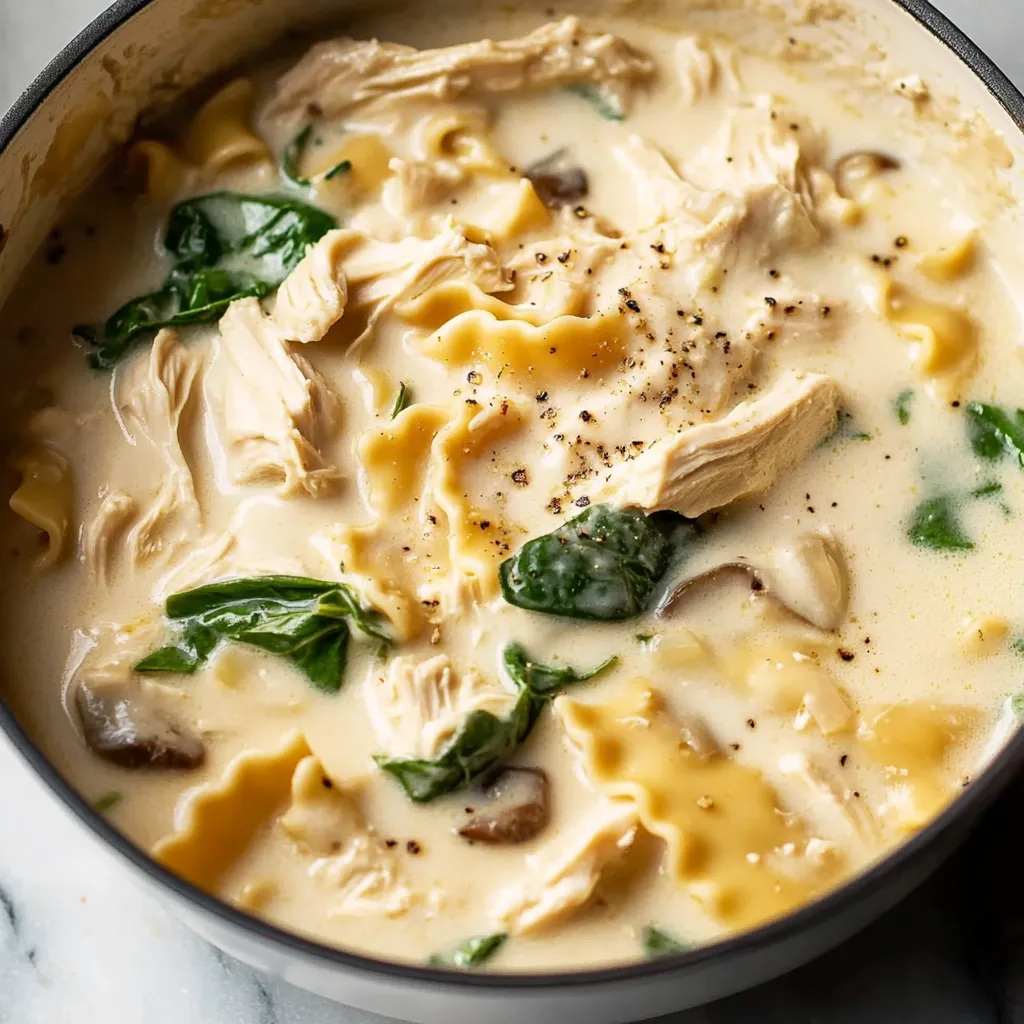
This creamy chicken lasagna soup transforms classic lasagna into a cozy, one-pot meal that delivers all those beloved flavors in scoopable form without the labor-intensive layering and baking. A velvety garlic parmesan broth gets loaded with tender rotisserie chicken, broken lasagna noodles, earthy mushrooms, and fresh spinach for a soup that tastes incredibly indulgent yet comes together in about 30 minutes. The combination of heavy cream, cream cheese, and parmesan creates that signature white lasagna richness, while the broken noodles provide satisfying pasta texture in every spoonful. This is the kind of soup that makes you want to curl up on the couch with a big bowl and eat until you're uncomfortably full because it's just that good.
I developed this recipe after making my tomato-based lasagna soup countless times and wanting something completely different that captured white chicken lasagna flavors instead. The first time I made it, I was genuinely surprised by how much it tasted like actual lasagna despite being soup—that creamy, garlicky, cheesy flavor profile is unmistakable and incredibly satisfying. My family devoured it so quickly that I barely got a second serving, and they immediately requested I make it again the following week. Now this has become my go-to dinner when I want something comforting and impressive-tasting but don't have hours to spend in the kitchen. The fact that it all cooks in one pot with minimal cleanup makes it practical for busy weeknights, yet it tastes special enough to serve to guests who always seem shocked when I tell them how easy it was to make.
Ingredients and What Makes Them Essential
- Olive oil (2 tablespoons) and butter (2 tablespoons): Using both fats together provides the best flavor and cooking properties—olive oil prevents the butter from burning at higher heat while the butter adds rich, nutty flavor that oil alone can't provide. This combination creates the flavorful base for sautéing the aromatics and vegetables. Use unsalted butter so you can control the salt level in the finished soup.
- Sweet onion (1 medium, diced): Vidalia or other sweet onions provide aromatic foundation and natural sweetness that balances the richness of the cream without the harsh bite of regular yellow onions. Dice the onion into small, uniform pieces so it softens completely during cooking and distributes throughout the soup. Sweet onions become almost caramelized and jammy when sautéed, adding depth to the broth.
- Garlic (4 to 5 cloves, minced): Fresh garlic brings pungent, aromatic complexity that's essential to Italian-inspired dishes and creates that characteristic white lasagna flavor. Mince the garlic finely so it distributes evenly without leaving big chunks that might burn. The amount seems generous but is appropriate for a full pot of soup where the flavor needs to come through clearly without being overwhelming.
- Cremini mushrooms (8 ounces, sliced): Baby bella mushrooms add earthy, meaty depth and satisfying texture that makes the soup feel more substantial. The mushrooms release moisture as they cook, which needs to evaporate completely before moving forward or you'll have watery soup. Cremini have more flavor than white button mushrooms while being less expensive than portobellos. Slice them uniformly so they cook evenly.
- Italian seasoning (1 tablespoon): This blend typically contains dried basil, oregano, thyme, and rosemary—all the herbs that define Italian cooking. Using a pre-mixed blend is convenient and provides balanced flavor without measuring multiple individual herbs. The dried herbs need a moment to bloom in the hot oil to release their full aromatic potential. If you prefer, you can use individual herbs like 1 teaspoon each of dried basil and oregano.
- All-purpose flour (¼ cup): Flour acts as the thickening agent that transforms thin broth into creamy, coating soup base. The flour gets cooked with the vegetables to remove the raw taste before liquid is added, creating a sort of simplified roux. This technique ensures smooth texture without lumps. Don't skip or reduce the flour or your soup will be thin and watery rather than properly creamy and substantial.
- Chicken broth (6 cups): Broth provides the savory liquid base and layers of chicken flavor that support the other ingredients. Use good-quality low-sodium broth so you can control the salt level precisely—canned broth varies dramatically in saltiness. The broth dilutes slightly when cream is added, so it should taste well-seasoned on its own. Homemade stock works beautifully if you have it.
- Heavy cream (2 cups): Heavy whipping cream creates the luxurious, velvety texture and rich mouthfeel that defines white lasagna and makes this soup feel indulgent. The high fat content in heavy cream prevents it from curdling when heated to a simmer, unlike milk or half-and-half which can break. Don't substitute with lower-fat alternatives unless you're willing to accept thinner consistency and potential curdling issues.
- Cream cheese (4 ounces, softened): Cream cheese adds tangy richness and helps create an ultra-creamy, thick consistency that coats the pasta beautifully. The cream cheese needs to be softened to room temperature or it won't melt smoothly into the hot soup—cold cream cheese creates lumps. The tanginess balances the richness of the heavy cream and provides complexity that keeps the soup from tasting one-dimensional.
- Parmesan cheese (1 cup, freshly grated): Real parmesan adds nutty, salty, umami-rich flavor that's essential to authentic Italian taste and creates that characteristic cheesy coating on the pasta. Freshly grated parmesan from a block melts much more smoothly than pre-grated cheese, which contains anti-caking agents that prevent proper melting. Parmigiano-Reggiano is ideal, though any real parmesan works—avoid the shelf-stable powdered stuff in canisters, which tastes artificial.
- Lasagna noodles (8 ounces): Broken lasagna noodles provide that characteristic wide, flat pasta shape that makes this feel like deconstructed lasagna. Break the dry noodles into irregular, bite-sized pieces before adding to the soup—roughly 2-inch ribbons work well. The noodles cook directly in the broth, absorbing flavor while releasing starch that helps thicken the soup naturally. You could substitute with other pasta shapes like fusilli or rotini if needed, using about 2 cups dry pasta.
- Rotisserie chicken (3 cups, shredded): Pre-cooked rotisserie chicken provides convenient, already-seasoned meat that's tender and flavorful without requiring any additional cooking. Shred it into bite-sized pieces, discarding skin and bones. Using rotisserie chicken saves at least 30 minutes of prep time compared to cooking chicken from scratch. You could substitute with leftover cooked turkey, which works beautifully and is perfect for using up Thanksgiving leftovers.
- Fresh spinach (4 cups, packed): Spinach adds vibrant color, fresh flavor, and nutritional value while wilting down to practically nothing in the hot soup. The spinach goes in at the very end and wilts in seconds from the residual heat. Fresh spinach tastes much better than frozen in this application since you want that bright green color and tender texture. Baby spinach is ideal because the leaves are smaller and more tender than regular spinach.
Step-by-Step Instructions
- Sauté the aromatics:
- Place a large soup pot or Dutch oven over medium heat and add the olive oil and butter, letting them heat until the butter melts and begins to foam slightly. Add the diced sweet onion and cook for about 5 minutes, stirring occasionally, until the onion softens and becomes translucent without browning. The onion should look glossy and tender. Add the minced garlic and stir constantly for about 30 seconds to 1 minute until it becomes fragrant and releases its aroma—watch carefully because garlic burns quickly and turns bitter if left too long. The combination should smell wonderful and aromatic at this point, perfuming your entire kitchen.
- Cook the mushrooms thoroughly:
- Add the sliced cremini mushrooms to the pot along with the Italian seasoning, stirring everything together to coat the mushrooms with the oil and seasonings. Cook for about 8 to 10 minutes, stirring occasionally, until the mushrooms release all their moisture and that liquid evaporates completely. The mushrooms will first release liquid and look wet, then gradually the liquid will cook off and the mushrooms will shrink and brown slightly. You want the pan relatively dry before moving forward—if there's still liquid pooling, keep cooking until it evaporates. This step is crucial because excess moisture would water down your soup and prevent proper thickening. The mushrooms should look concentrated and slightly caramelized when ready.
- Create the thickened base:
- Sprinkle the flour evenly over the vegetables in the pot, stirring immediately to coat everything and work out any clumps. Cook for about 1 minute while stirring constantly, which removes the raw flour taste and creates a light roux that will thicken your soup. The mixture will look dry and pasty at this stage, which is exactly right. Pour in about 3 cups of the chicken broth—half the total amount—and stir vigorously, scraping the bottom of the pot to dissolve all the flour and prevent lumps. The mixture will thicken noticeably as you stir and the flour hydrates. Once the first addition is smooth and incorporated, pour in the remaining 3 cups of broth and stir well to create a uniform liquid base.
- Add cream and noodles:
- Pour in the heavy cream and stir to combine everything into a pale, creamy broth. Break your dry lasagna noodles into roughly 2-inch pieces and add them to the pot—don't worry about making them perfectly uniform, irregular shapes are fine and actually create nice variety. Increase the heat to medium-high and bring the soup to a boil, stirring occasionally to prevent the noodles from sticking to the bottom. Watch carefully as it comes to a boil because cream-based soups can boil over quickly if you're not paying attention.
- Simmer until pasta is tender:
- Once the soup reaches a boil, reduce the heat to medium-low to maintain a gentle simmer where you see small bubbles breaking the surface but not a rolling boil. Stir occasionally to prevent sticking and ensure even cooking. Simmer for about 10 to 12 minutes until the lasagna noodles are al dente—tender but still with a slight bite. Taste a piece to check doneness. The pasta will continue softening slightly after you turn off the heat, so don't overcook it to complete mushiness. The broth should have thickened from both the flour and the starch released by the cooking pasta.
- Add chicken and cream cheese:
- Stir in the shredded rotisserie chicken and the softened cream cheese, broken into chunks for easier melting. Increase the heat slightly to medium and stir frequently as the cream cheese melts into the soup. It will initially look lumpy and separated, but keep stirring and it will gradually melt into the hot liquid and disappear, creating ultra-creamy texture. This takes about 2 to 3 minutes of gentle stirring. Make sure the cream cheese is genuinely softened to room temperature before adding—cold cream cheese takes much longer to melt and can create persistent lumps.
- Finish with cheese and spinach:
- Add the freshly grated parmesan cheese and stir well to incorporate it completely. The parmesan will melt into the hot soup and create that characteristic nutty, salty, cheesy flavor. Add the packed fresh spinach and stir gently—the leaves will wilt almost immediately on contact with the hot soup, reducing in volume dramatically within about 30 seconds. Continue stirring until all the spinach is wilted and distributed throughout. Taste the soup and season with salt and black pepper as needed, keeping in mind that parmesan is quite salty so you may not need much additional salt. Turn off the heat and let the soup rest for a few minutes before serving, which allows the flavors to meld and the texture to settle.
 Pin it
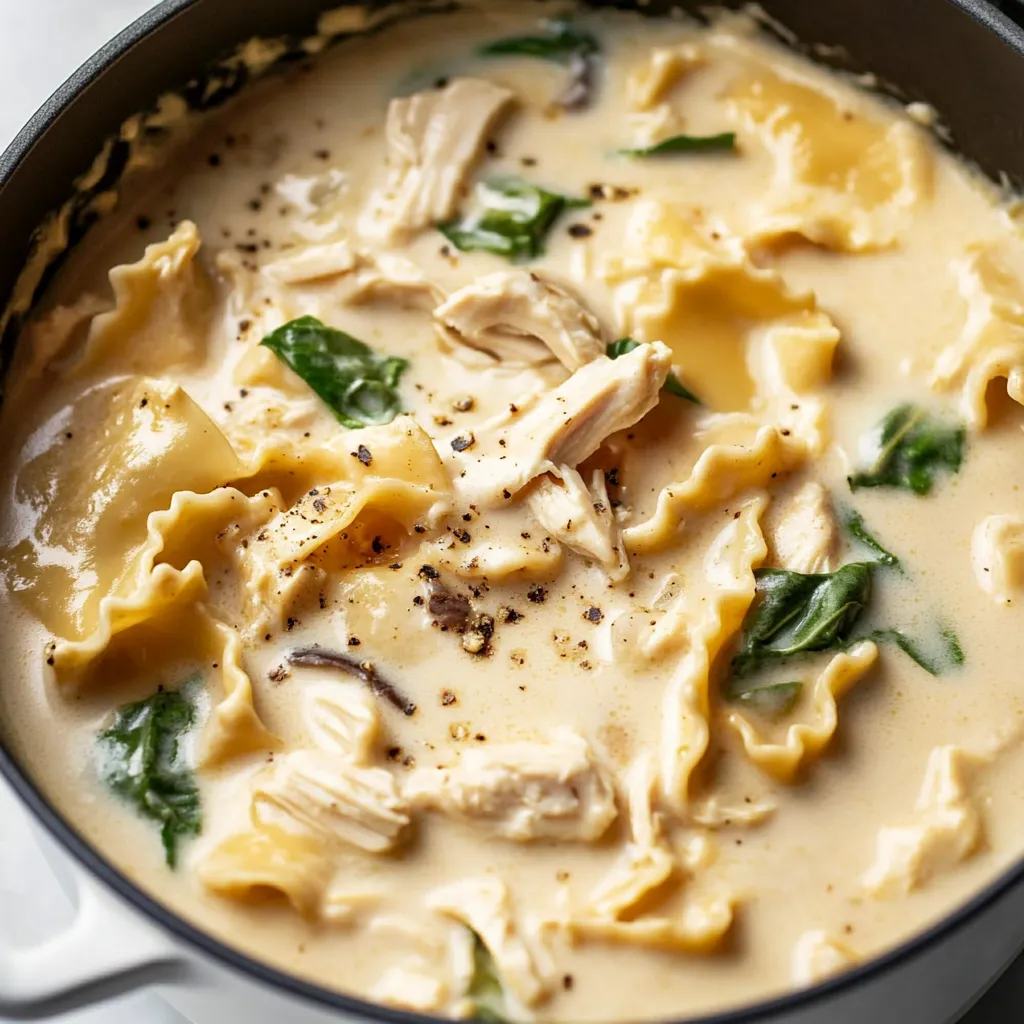
The technique that improved my results most dramatically was learning to let the mushrooms cook completely until all their moisture evaporated before adding the flour. My first attempt at this soup, I got impatient and added the flour while the mushrooms were still releasing liquid, thinking it would be fine. The resulting soup was disappointingly thin and watery despite having the right amount of flour, and the flavors tasted diluted rather than concentrated and rich. Once I understood that mushrooms release a shocking amount of water that needs to cook off completely—which takes longer than you think—my soup came out perfectly thick and creamy with concentrated flavors. Now I'm patient with that mushroom cooking stage, letting them go until they look shrunken and slightly browned with no liquid pooling in the pan. This one adjustment made the difference between mediocre soup and genuinely excellent soup that tastes restaurant-quality.
Understanding Cream-Based Soup Techniques
Cream-based soups require slightly different techniques than broth-based soups to achieve proper texture and prevent common problems like curdling or greasiness. The key is managing heat carefully—cream and cream cheese both contain proteins that can curdle if heated too aggressively or too quickly. Bringing the soup to a gentle simmer rather than a rolling boil protects the dairy from breaking and separating. The flour acts as a stabilizer in addition to a thickener, helping prevent curdling by coating proteins and preventing them from clumping together when heated.
The order of additions matters significantly for creating smooth, cohesive texture rather than separated or lumpy soup. Adding flour early and cooking it with the vegetables creates a roux-like base that thickens the liquid and helps emulsify the fats from the cream and cheese. Bringing the broth to a simmer before adding cream allows the flour to fully activate and thicken, creating a more stable base. Adding the cream cheese after the pasta cooks ensures it melts into already-hot liquid rather than sitting in gradually warming soup where it might separate. The parmesan goes in near the end because prolonged cooking can make it grainy and stringy rather than smoothly melted.
Pasta cooked directly in soup requires attention to liquid ratios because the pasta absorbs liquid as it cooks and releases starch that thickens the soup. This recipe accounts for that by starting with enough liquid to accommodate absorption while the released starch helps create creamy, coating consistency. If you find the soup too thick, you can always add more broth or cream to thin it to your preference. Conversely, if it seems too thin, let it simmer uncovered for a few extra minutes to reduce and concentrate, or add a cornstarch slurry (1 tablespoon cornstarch mixed with 2 tablespoons cold water) stirred in during the final minutes.
Ingredient Substitutions and Modifications
While the recipe as written produces the best results, you can make various substitutions based on dietary needs or ingredient availability, though some will affect the final outcome. For lower-fat versions, you could substitute half-and-half for the heavy cream and reduce or omit the cream cheese, though the soup will be noticeably thinner and the dairy is more likely to curdle at simmering temperatures. If curdling occurs, remove from heat immediately and stir in a tablespoon of cornstarch mixed with cold water, which sometimes helps stabilize it.
For the protein, leftover cooked turkey works beautifully and is perfect for using up Thanksgiving or Christmas leftovers—just shred it like you would the chicken. Cooked ground turkey or chicken could substitute if that's what you have, changing the texture but maintaining good flavor. For vegetarian versions, you could omit the chicken entirely and add more vegetables like zucchini, bell peppers, or white beans, using vegetable broth instead of chicken broth. The soup will be less substantial without meat but still satisfying.
The pasta shape is somewhat flexible—while lasagna noodles create that authentic deconstructed lasagna feel, you could use fusilli, rotini, penne, or even egg noodles if that's what you have available. Use about 2 cups of smaller pasta shapes as a substitute. Different pasta shapes may require slightly different cooking times, so taste for doneness rather than following timing exactly. If you want to make this lower-carb, you could reduce the pasta amount and bulk it up with more vegetables, or substitute with zucchini noodles added in the last few minutes of cooking.
Leftovers and Storage Strategies
Cream-based soups with pasta present specific storage challenges because the noodles continue absorbing liquid even in the refrigerator, which can result in a very thick, almost casserole-like consistency by the second day. If you anticipate having significant leftovers, the best strategy is cooking the pasta separately and adding it to individual portions as you reheat them. This keeps the soup at proper consistency and ensures the pasta doesn't become mushy and oversaturated. Store the soup and pasta separately in airtight containers in the refrigerator.
When stored together, leftover soup keeps for 3 to 4 days in the refrigerator in a covered container. Reheat gently on the stovetop over medium-low heat, stirring frequently to prevent scorching. You'll almost certainly need to add liquid to thin it back out—add chicken broth, cream, or even milk in small amounts while stirring until you reach the consistency you want. Don't add too much liquid at once or you'll overcorrect and make it too thin. Taste and adjust seasoning after reheating since refrigeration can dull flavors. You can also reheat individual portions in the microwave, though the texture won't be quite as good as stovetop reheating.
Freezing cream-based soups is generally not recommended because the dairy tends to separate and become grainy when frozen and thawed, creating an unappetizing texture that can't be fully restored. The cream cheese in particular doesn't freeze well and will likely separate into curds when thawed. If you absolutely need to freeze this soup, do so without the cream cheese and parmesan, then stir them in fresh when reheating from frozen. Be prepared for some textural changes—the soup may look slightly separated when thawed but will often come back together somewhat when stirred and reheated gently. For best results, plan to eat this soup fresh or within a few days of making it rather than relying on freezing for long-term storage.
 Pin it
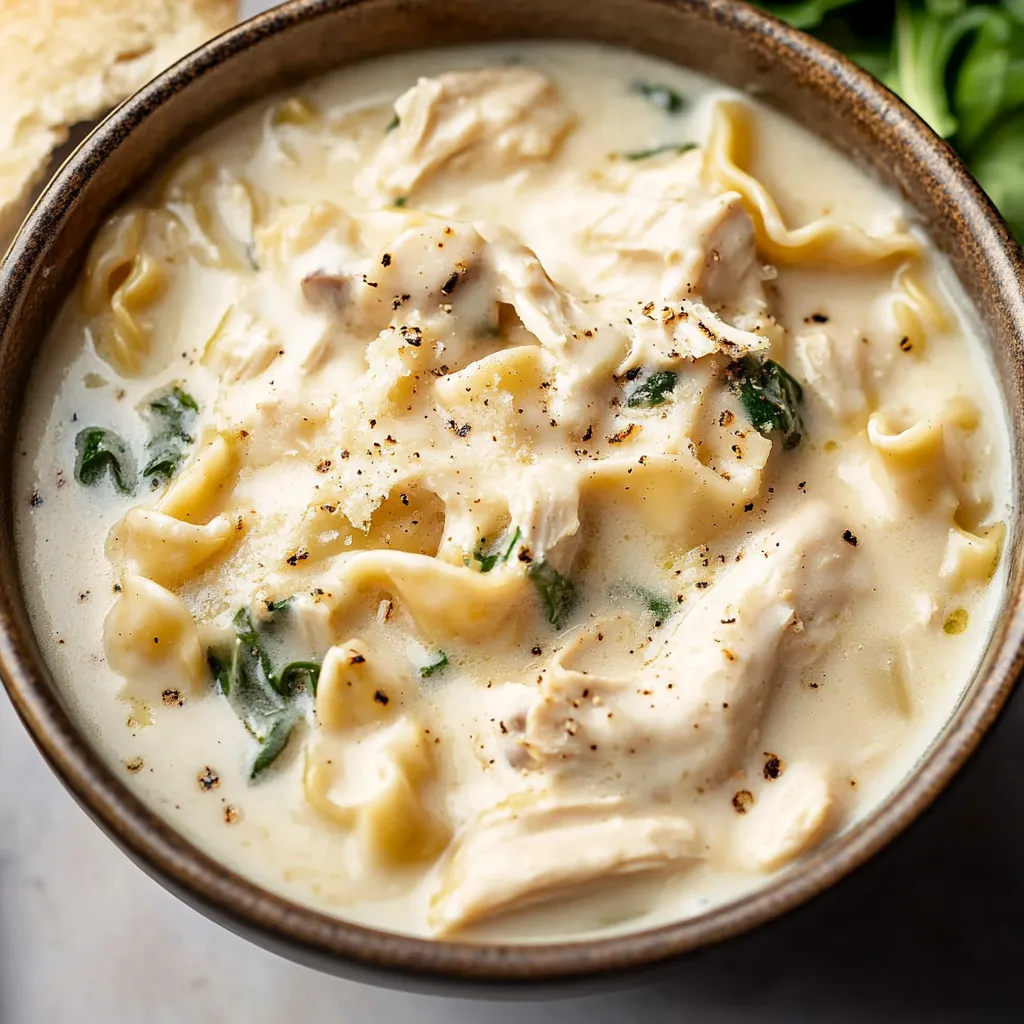
This creamy chicken lasagna soup has become one of my most-made recipes because it satisfies everyone in my family while being practical enough for busy weeknights yet special enough for casual entertaining. The fact that it delivers genuine lasagna flavors in a fraction of the time without requiring layering, baking, or waiting for it to set makes it infinitely more practical for regular cooking. I love that I can stop at the grocery store on my way home from work, grab a rotisserie chicken and a few other items, and have dinner on the table in 30 minutes that tastes like I spent hours making it. The one-pot cooking and cleanup is invaluable when I'm tired and don't want to deal with multiple dishes, yet the creamy, cheesy, garlicky result feels indulgent enough to be satisfying on a deep level. Once you taste how the broken lasagna noodles create that authentic lasagna experience in soup form, and how the combination of three dairy products creates impossibly rich, velvety texture, you'll understand why this recipe has earned permanent status in my dinner rotation and why I've made it dozens of times since developing it.
Frequently Asked Questions
- → Can I use regular pasta instead of lasagna noodles?
- Yes, you can substitute with any pasta shape you like. Penne, rotini, or bow ties work well. Just adjust the cooking time based on the package directions.
- → How do I store leftover chicken lasagna soup?
- Keep it in an airtight container in the fridge for up to 3 days. The noodles will absorb liquid, so add extra broth or cream when reheating.
- → Can I make this soup ahead of time?
- You can prep the ingredients ahead, but it's best to cook the noodles fresh. If making ahead, undercook the noodles slightly and store everything separately.
- → What can I use instead of heavy cream?
- Half and half works, though the soup will be thinner. You could also use milk mixed with a bit of flour, but heavy cream gives the best texture.
- → Can I freeze chicken lasagna soup?
- Cream-based soups with pasta don't freeze well because the texture changes. The noodles get mushy and the cream can separate when thawed.
- → What type of chicken works best?
- Rotisserie chicken is perfect because it's already seasoned and saves time. You can also use leftover cooked chicken or poach fresh chicken breasts.
- → How can I make this soup thicker?
- Let it simmer longer uncovered so the liquid reduces. You can also mash some of the noodles against the pot or add a cornstarch slurry.