
 Pin it
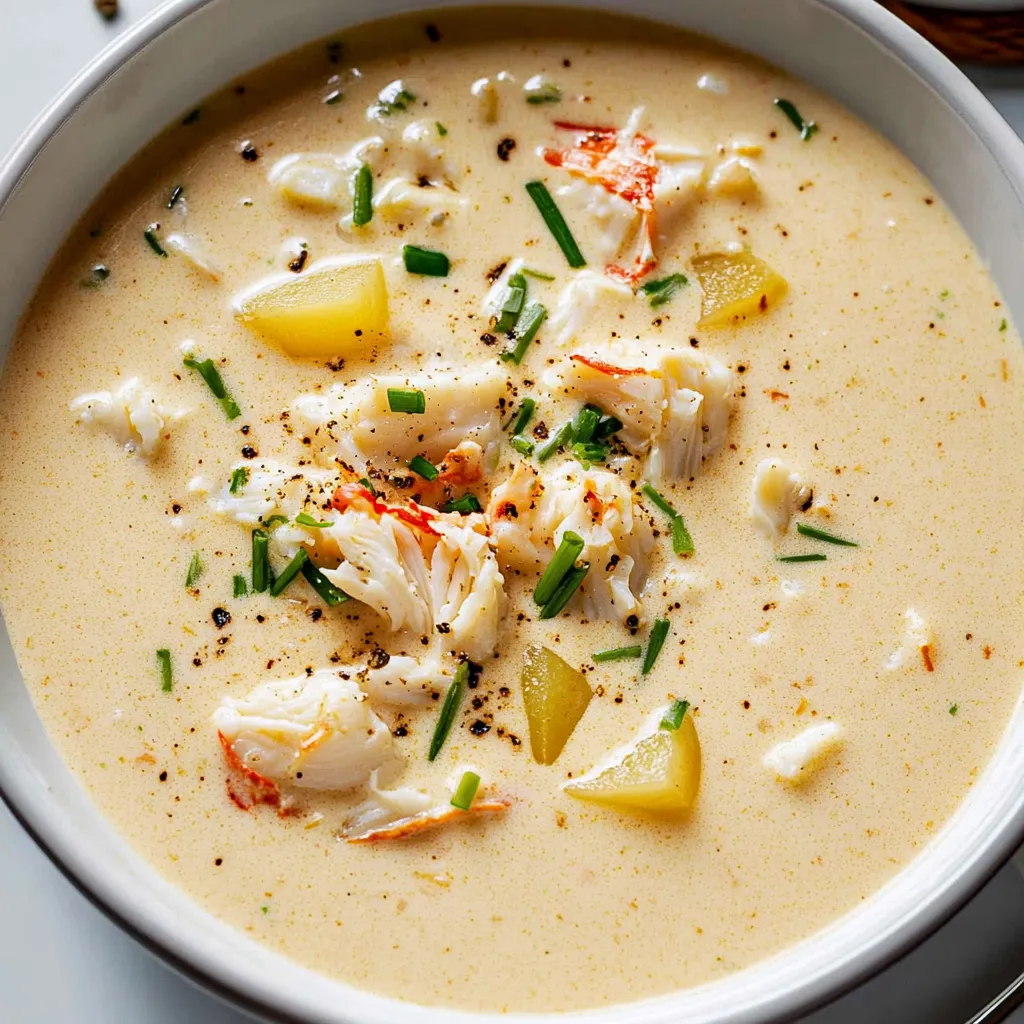
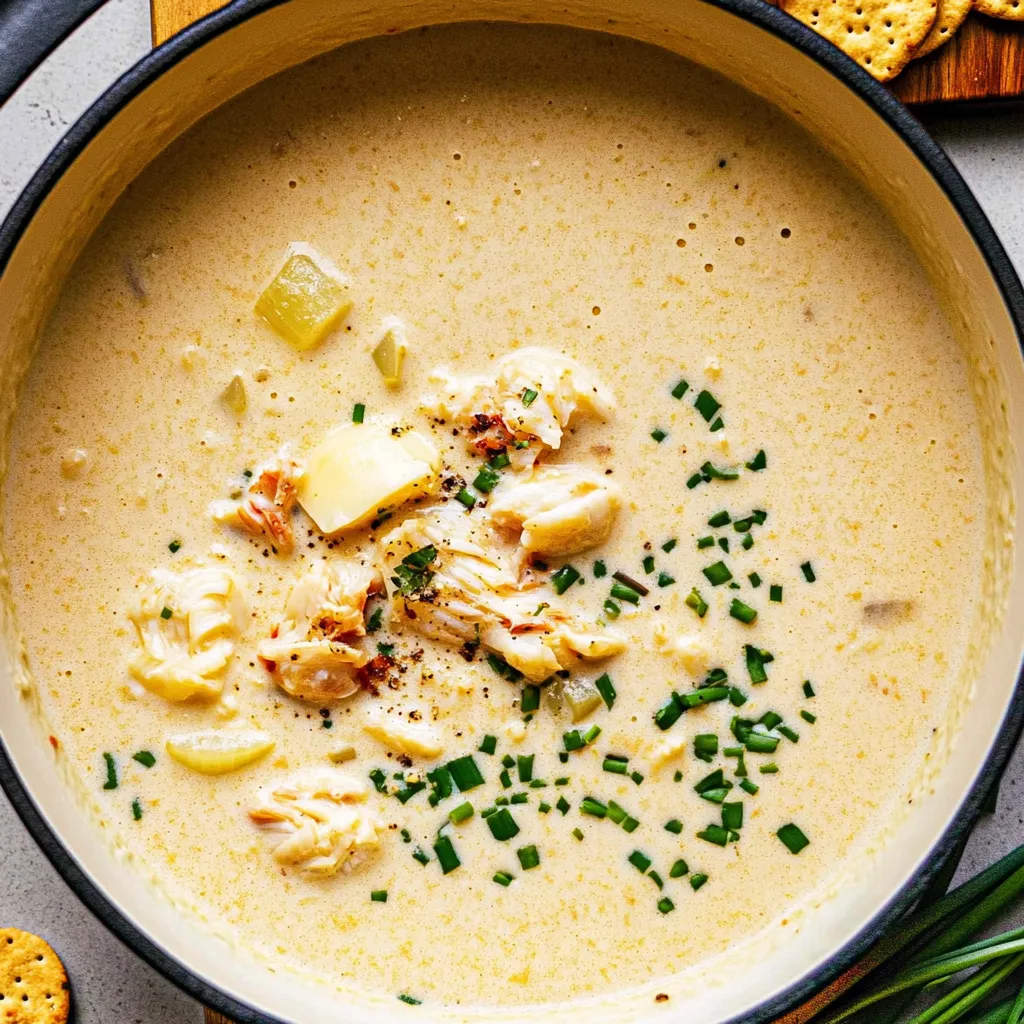
This creamy crab soup delivers restaurant-quality luxury in just 30 minutes using one pot and straightforward techniques that anyone can master. Tender chunks of potato swim in a velvety, seafood-scented broth enriched with half and half, while generous amounts of sweet lump crab meat provide that special-occasion indulgence that makes this feel celebratory. Old Bay seasoning brings its signature blend of warm spices that complement crab perfectly, and a splash of sherry vinegar at the end brightens all the flavors without tasting obviously acidic. The soup comes together quickly with minimal fuss—no complicated roux-making or finicky techniques—yet tastes like something that required hours of careful attention and professional training.
I started making this crab soup for special family dinners when I wanted something that felt celebratory but didn't require spending all day in the kitchen. The first time I tried it, I was genuinely shocked by how much it tasted like expensive restaurant crab bisque despite taking less than an hour and using such simple techniques. The Old Bay seasoning and sherry vinegar combination creates this incredible depth that makes people think you've done something far more complicated than you actually have. My family now requests this for birthdays, anniversaries, and holidays, and I've served it to guests who couldn't believe I'd made it myself rather than ordering from somewhere fancy. The best part is that even though it contains crab meat and feels luxurious, the actual cooking process is relaxed and forgiving enough that I can make it on weeknights without stress.
Ingredients and What Makes Them Essential
- Unsalted butter (4 tablespoons): This provides rich, creamy flavor and works with the flour to create the thickened base for your soup without making an actual roux. Butter adds luxurious mouthfeel and helps the aromatics soften properly while contributing background richness throughout. Unsalted is important because it lets you control the salt level precisely—crab and Old Bay both contain salt, so using salted butter could make everything too salty. Olive oil can substitute in a genuine pinch, though the soup won't taste quite as rich or have the same silky texture.
- Yellow or white onion (1 medium, diced): Onion provides the aromatic foundation and sweet, savory depth that supports all the other flavors without competing with the delicate crab. Yellow onions are ideal because they have balanced sweetness and sharpness that mellows beautifully when sautéed. Choose a firm onion without soft spots or sprouting, and dice it into small, uniform pieces so they cook evenly and distribute throughout the soup. Red onions are too sharp and sweet for this application and would throw off the flavor balance.
- Celery (2 stalks, diced): Celery adds subtle vegetal notes and pleasant crunch that lightens the soup and provides textural interest against the soft potatoes and tender crab. The mild, slightly peppery flavor complements seafood beautifully without overpowering it. Dice the celery into small pieces similar in size to your onion so everything cooks at the same rate and you get vegetables in every spoonful.
- Fresh garlic (3 to 4 cloves, minced): Garlic brings pungent, aromatic complexity that's essential to the flavor profile and complements both the seafood and the Old Bay seasoning beautifully. Fresh garlic tastes dramatically better than jarred or powdered in this application where the flavor is quite prominent. Mince it finely so it distributes evenly without leaving big chunks that might burn during sautéing. If you absolutely must substitute, use a quarter to half teaspoon of garlic powder, though the soup won't taste quite as vibrant.
- Old Bay seasoning (1 to 2 tablespoons): This is the signature ingredient that gives the soup its characteristic flavor and makes it taste authentically Mid-Atlantic. Old Bay contains celery salt, paprika, mustard, black pepper, and warm spices in a proprietary blend that's perfect with crab and seafood. The seasoning provides complexity without requiring you to measure out a dozen individual spices. Don't skip this or substitute with generic seafood seasoning—Old Bay has a specific flavor profile that defines this soup. Start with one tablespoon and add more to taste if you want stronger seasoning.
- All-purpose flour (¼ cup): Flour acts as the thickening agent that transforms broth into creamy soup base without requiring you to make a traditional roux separately. The flour combines with the butter and liquid to create body and velvety texture. All-purpose works best here—don't substitute with gluten-free flour blends unless you're experienced with how they behave, as they thicken differently and can create gummy texture.
- Baby yellow potatoes (1 pound, diced): These add hearty substance and creamy texture while their natural starchiness helps thicken the soup slightly. Baby yellow potatoes are ideal because they cook quickly, have thin skins that don't need peeling, and turn wonderfully creamy and tender when simmered. Their mild, buttery flavor complements the crab without competing. Cut them into small, uniform dice—roughly half-inch pieces—so they cook through in the short simmering time. Yukon gold potatoes work similarly if you can't find baby yellows.
- Half and half (2 cups): This creates the luxuriously creamy texture without being as heavy or thick as pure heavy cream would be. Half and half has the perfect balance of richness and pourable consistency for soup. If you don't have it on hand, you can absolutely mix equal parts whole milk and heavy cream to create your own half and half substitute. The dairy enriches the broth and creates that silky mouthfeel that makes the soup feel indulgent.
- Seafood stock (2 cups): This bolsters the seafood flavors throughout the soup and creates depth that vegetable or chicken stock alone couldn't provide. Seafood stock tastes distinctly oceanic and briny, which enhances the crab and makes the soup taste more complex and restaurant-like. Look for it near regular stocks and broths, or at seafood counters where they might sell house-made versions. If you can't find seafood stock, use additional vegetable or chicken broth instead, though the flavor won't be quite as pronounced or seafood-forward.
- Chicken broth (2 cups): Broth forms part of the liquid base and adds savory depth that rounds out the flavors. The amount of broth controls the soup's thickness—use less for thicker, stewier consistency or more for thinner, brothier soup. Low-sodium broth gives you better control over the final salt level. Vegetable broth substitutes perfectly if you want to keep this pescatarian, and beef broth would work though it might overpower the delicate crab flavor.
- Bay leaves (2): These add subtle peppery, herbal complexity and savory depth that develops during simmering. Bay leaves infuse their flavor gradually and aren't meant to be eaten—you'll fish them out before serving. If you don't have bay leaves, you can omit them entirely and just add an extra pinch of black pepper, though the soup will be slightly less complex in flavor.
- Jumbo lump crab meat (8 ounces): This is the star ingredient that makes the soup special and provides sweet, delicate seafood flavor in every spoonful. Jumbo lump crab meat consists of large, intact pieces from the crab's body that have beautiful texture and appearance. Look for fresh picked crab meat at the seafood counter or near the deli section—it's expensive, which is why this soup feels like a special-occasion dish. Canned crab meat won't provide the same quality or flavor, and imitation crab is completely different in texture and taste and won't work at all. If you want to save money, you can buy crab legs, steam them yourself, and pick the meat, which is more work but produces excellent results.
- Sherry vinegar (1 tablespoon): This is a secret ingredient that transforms the soup from good to outstanding by adding brightness and acidity that balances the richness and makes all the other flavors pop. Sherry vinegar has complex, slightly nutty flavor that's more sophisticated than regular white vinegar. Add it at the very end of cooking rather than earlier, or the acidity will cook off and lose its brightening effect. If you don't have sherry vinegar, substitute with white wine vinegar, red wine vinegar, or even a squeeze of fresh lemon juice, though each will create slightly different flavor. Note that sherry vinegar is completely different from cooking sherry or dry sherry—don't confuse them.
Step-by-Step Instructions
- Sauté the aromatic vegetables:
- Place a large pot or Dutch oven over medium heat and add the butter, letting it melt completely until it's foaming slightly but not browning. Add your diced onion and celery to the melted butter, stirring to coat the vegetables evenly. Cook them together for about 5 to 7 minutes, stirring occasionally, until the onion becomes translucent and soft and the celery loses its raw crunch. You want them tender and aromatic but not browned or caramelized. Add the minced garlic and cook for another minute, stirring constantly so it doesn't burn and just until it becomes fragrant and releases its aroma. The kitchen should smell wonderful at this point with those classic soup aromatics perfuming everything.
- Add flour and Old Bay to create the base:
- Sprinkle the all-purpose flour and Old Bay seasoning over your softened vegetables, stirring immediately to coat everything evenly. Cook this mixture for about 2 minutes, stirring frequently, which removes the raw flour taste and allows the flour to toast slightly while the Old Bay blooms and becomes more aromatic. The mixture will be quite thick and paste-like at this stage—that's exactly right. This step is similar to making a roux but much simpler since you're not trying to achieve specific color or complicated technique. Add a couple generous pinches of salt and some black pepper at this stage to begin building seasoning layers.
- Deglaze with seafood stock:
- Pour in about half of your seafood stock—roughly one cup—and immediately start scraping the bottom of the pot vigorously with a wooden spoon or spatula. All those browned bits stuck to the bottom from cooking the vegetables are packed with flavor, and the liquid will help release them so they incorporate into your soup. Stir constantly as you scrape, working the flour mixture into the liquid to create a smooth base without lumps. The mixture will thicken noticeably as you stir, transforming from thin liquid into something more sauce-like. Make sure you've dissolved all the flour paste and there are no dry pockets remaining stuck to the bottom or sides of the pot.
- Add remaining liquids and potatoes:
- Pour in the rest of your seafood stock along with the chicken broth and half and half, stirring everything together thoroughly until you have a uniform liquid base with no streaks or separation. Add your diced baby potatoes, the bay leaves, and another couple pinches of salt and pepper. Stir everything well to combine and make sure the potatoes are submerged in the liquid rather than floating on top. The mixture should look relatively thin at this point—don't worry, it will thicken as it simmers and the potatoes release starch. Increase the heat to medium-high and bring the soup to a gentle boil, which should take about 3 to 5 minutes depending on how much liquid you're working with.
- Simmer until potatoes are tender:
- Once the soup reaches a boil, reduce the heat to medium-low to maintain a gentle simmer where you see occasional bubbles breaking the surface but not a rolling boil. Simmer uncovered for about 15 to 20 minutes, stirring occasionally to prevent sticking and ensure even cooking. The potatoes should become fork-tender—test them by piercing a piece with a fork, which should slide in easily without resistance. As the soup simmers, the potatoes will release starch that helps thicken the liquid naturally, and all the flavors will begin melding together. The soup should have thickened noticeably from when you first added the liquids, becoming creamy and coating the back of a spoon.
- Add crab meat and finish:
- Once your potatoes are perfectly tender, reduce the heat to low and gently stir in most of your lump crab meat, reserving a few tablespoons for garnishing the finished bowls. Be careful not to stir too vigorously or you'll break up those beautiful lumps of crab into shreds—use a gentle folding motion to incorporate the crab throughout the soup without destroying its texture. Let the soup simmer very gently for another 3 to 5 minutes just to heat the crab through without overcooking it, which would make it tough and rubbery. Crab cooks very quickly and is usually already cooked when you buy it, so you're really just warming it rather than cooking it. Remove the pot from the heat and stir in your sherry vinegar, which will immediately brighten all the flavors and make them sing. Taste the soup and adjust the seasoning with more salt, pepper, or Old Bay if needed—the flavor should be rich, creamy, well-seasoned, and balanced with a subtle acidic brightness that prevents it from tasting heavy.
- Serve immediately:
- Ladle the hot soup into bowls and garnish each serving with a small mound of the reserved lump crab meat placed attractively in the center, along with a sprinkle of chopped fresh chives or parsley for color and fresh herbal notes. The visual contrast of white crab meat against the creamy soup looks elegant and signals that this is a special dish. Serve immediately while piping hot, with crusty bread on the side for dipping if desired. The soup is rich enough to serve as a main course in moderate portions, or it works beautifully as a starter in smaller servings for a more formal meal.
 Pin it
The technique that elevated my crab soup most dramatically was learning to salt progressively throughout the cooking process rather than adding all the salt at the end and hoping for the best. My early attempts tasted somewhat flat and one-dimensional despite using good ingredients, and I couldn't figure out why restaurant versions had so much more depth. Once I started adding a couple generous pinches of salt and pepper each time I added new ingredients—after sautéing the aromatics, after adding the flour and Old Bay, after adding the liquids and potatoes, and finally when finishing the soup—the flavor transformation was remarkable. Each ingredient gets properly seasoned as it cooks, creating layers of well-distributed flavor throughout rather than surface saltiness. The individual components taste properly seasoned on their own, which makes the finished soup taste complex and professional rather than needing excessive salt at the end to compensate for underseasoning during cooking. This progressive seasoning technique has improved not just this soup but all my cooking, and it's one of the most valuable lessons I've learned from professional chefs.
Understanding Cream Soup Techniques
Traditional cream soups often rely on making a proper roux—a carefully cooked mixture of equal parts fat and flour—as the base for thickening, which requires precise technique and attention to avoid burning or creating lumpy texture. This recipe simplifies that process significantly by combining the butter and flour with the aromatics in a more forgiving way that doesn't require the same level of precision or timing. The vegetables help distribute the flour evenly and prevent scorching, while the gradual addition of liquid in stages allows you to create smooth consistency without the anxiety of dumping all the liquid at once and hoping for the best.
The thickening power in this soup comes from multiple sources working together rather than relying solely on flour. The flour provides the primary structure and body, but the potatoes contribute significantly by releasing starch as they cook and break down slightly. This natural starch creates additional creaminess and helps the soup achieve that velvety coating consistency without needing excessive amounts of cream or complicated reduction techniques. The half and half adds richness and mouthfeel while the combination of stocks provides savory depth, resulting in a well-balanced soup that's creamy without being heavy or cloying.
The order of additions matters for building flavor and preventing textural issues. Starting with aromatics sautéed in butter creates the flavor foundation, while cooking the flour with these aromatics removes the raw, pasty taste flour has when undercooked. Deglazing with liquid in stages—first with just some stock to scrape up browned bits, then adding the rest—helps prevent lumps and ensures smooth texture. Adding the crab near the end rather than early prevents it from overcooking and becoming tough, keeping it tender and sweet instead of rubbery. The final vinegar addition brightens everything without cooking off the acidity, providing crucial balance that transforms the soup from merely good to genuinely excellent.
Working with Fresh Crab Meat
Fresh lump crab meat represents a significant ingredient investment, which is why this soup feels like special-occasion food rather than everyday weeknight dinner. Understanding quality grades helps you make informed purchasing decisions and get the best value. Jumbo lump crab consists of large, intact pieces from the body that have the most impressive appearance and texture, making them ideal for dishes where the crab is showcased like this soup. Lump crab meat contains slightly smaller pieces that still have good texture and appearance at lower cost. Claw meat is darker with stronger flavor and stringier texture, acceptable for some applications but not ideal here where you want sweet, delicate crab flavor.
When shopping for crab meat, look for containers that are mostly liquid-free—excess liquid indicates the crab has been sitting and breaking down or was processed with too much water. The meat should smell fresh and oceanic without any ammonia or fishy odors that signal spoilage. Fresh picked crab from the seafood counter generally offers better quality than shelf-stable pasteurized crab, though good pasteurized crab exists if that's your only option. Avoid imitation crab made from surimi (processed fish paste), which has completely different flavor, texture, and cooking properties that won't work in this soup.
If you're comfortable with some extra work and want to save money, buying whole crab legs and picking the meat yourself produces excellent results at lower cost per pound than pre-picked meat. Steam the crab legs according to package directions until cooked through, let them cool until handleable, then crack the shells and carefully remove the meat, trying to keep pieces as intact as possible. This method takes significantly more time and creates mess, but the quality and freshness of meat you pick yourself is outstanding. You'll need about one pound of crab legs to yield the half pound of picked meat this recipe requires.
Variations and Customization Options
While this recipe is wonderful as written, you can adapt it in various ways to suit preferences, dietary needs, or ingredient availability without losing the essential character that makes it special. For a more substantial chowder-style soup, add a cup of fresh or frozen corn kernels along with the potatoes, which contributes sweetness and textural interest. Diced carrots add color and subtle sweetness—add them with the celery and onions so they have time to soften. Frozen peas can go in during the last 5 minutes of cooking for bright green color and sweet pop.
Different proteins can substitute for or supplement the crab if you want variety or need to accommodate different budgets. Cooked shrimp works beautifully and costs less than crab while providing similar sweet seafood flavor. Chunks of firm white fish like cod or halibut add substance and turn this into more of a seafood stew. Lobster meat creates an even more luxurious version for truly special occasions. You could even combine crab with shrimp for a mixed seafood soup that feels abundant without using a full pound of expensive crab.
For dietary modifications, the soup adapts reasonably well though some changes affect the final result more than others. To make it dairy-free, substitute coconut cream or cashew cream for the half and half and use olive oil instead of butter—the soup will taste different but still good, with subtle coconut undertones if using coconut cream. For lower calories and fat, you can use milk instead of half and half and reduce the butter, though the soup will be noticeably less rich and creamy. Adding a tablespoon of tomato paste along with the flour creates a slightly different flavor profile that's more bisque-like and adds appealing color.
 Pin it
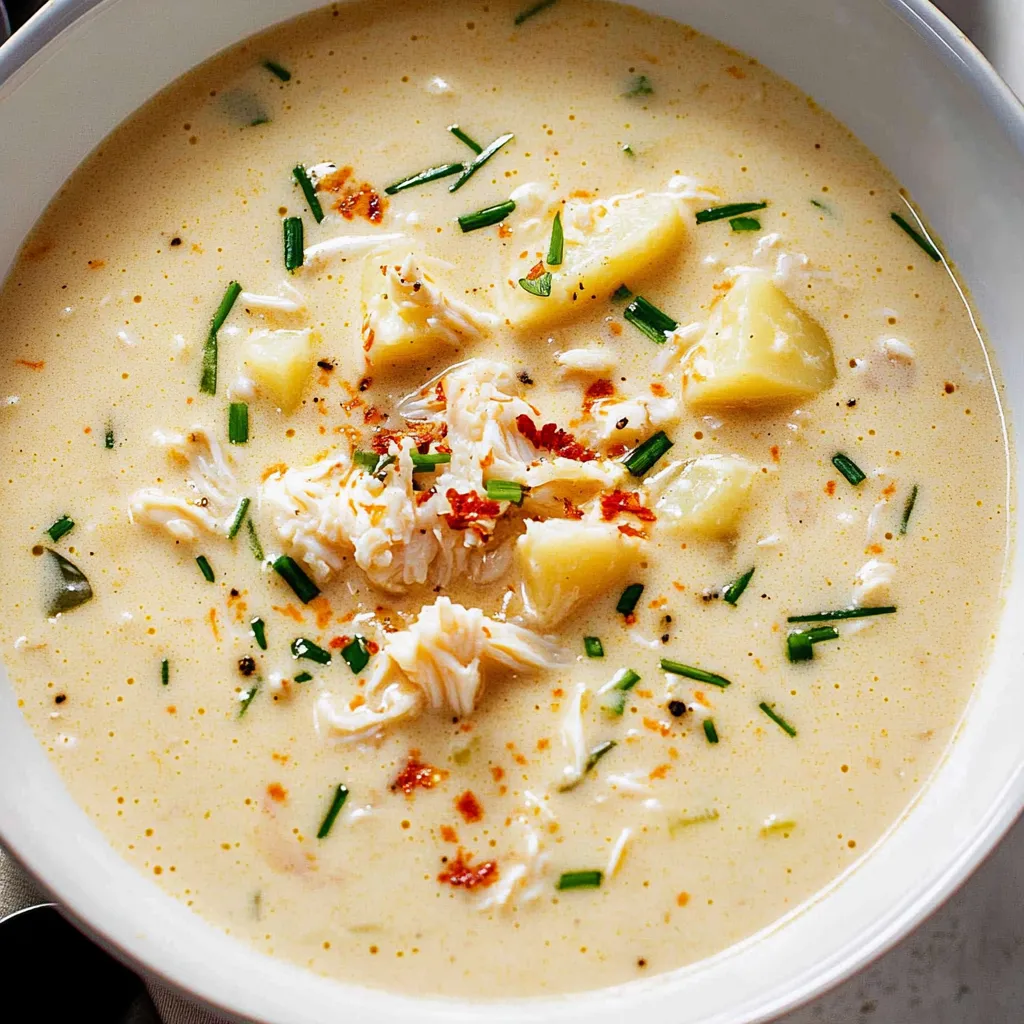
This creamy crab soup has become my go-to recipe for special occasions when I want to serve something that feels luxurious and impressive without spending all day in the kitchen or requiring advanced culinary skills. The combination of straightforward technique with truly outstanding results makes it accessible enough for confident home cooks while still delivering the kind of depth and elegance that makes guests think you've done something far more complicated. I love that it comes together in just 30 minutes yet tastes like something that simmered for hours, and the one-pot cooking means I'm not stuck washing multiple pans after dinner. The soup actually improves slightly after a day in the refrigerator as the flavors meld, which makes it excellent for advance preparation when entertaining—I can make it the day before, then just gently reheat it before serving without any loss of quality. Once you experience how easy this is to make and how enthusiastically people respond to the rich, crab-loaded bowls, you'll understand why it's earned permanent status as my special-occasion soup and why I've made it for countless birthdays, anniversaries, and holiday meals over the years.
Frequently Asked Questions
- → Can I use imitation crab instead of fresh crab?
- Yes, you can substitute imitation crab, but fresh or lump crab meat gives the best flavor and texture. If using imitation crab, add it at the very end so it doesn't fall apart.
- → How do I store leftover crab soup?
- Keep it in an airtight container in the fridge for up to 3 days. Reheat gently on the stove over low heat, stirring often. The soup may thicken as it sits, so add a splash of broth or cream when reheating.
- → Can I freeze this soup?
- Cream-based soups don't freeze well as they can separate and become grainy. It's best to make only what you'll eat within a few days.
- → What can I use instead of half and half?
- You can use whole milk for a lighter version, or heavy cream for an even richer soup. A mix of milk and cream also works great.
- → Do I need to use Old Bay seasoning?
- Old Bay adds classic seafood flavor, but if you don't have it, you can use a mix of paprika, celery salt, and a pinch of cayenne pepper instead.
- → What type of potatoes work best?
- Baby yellow potatoes hold their shape well and have a creamy texture. You can also use Yukon gold or red potatoes cut into small pieces.