
 Pin it
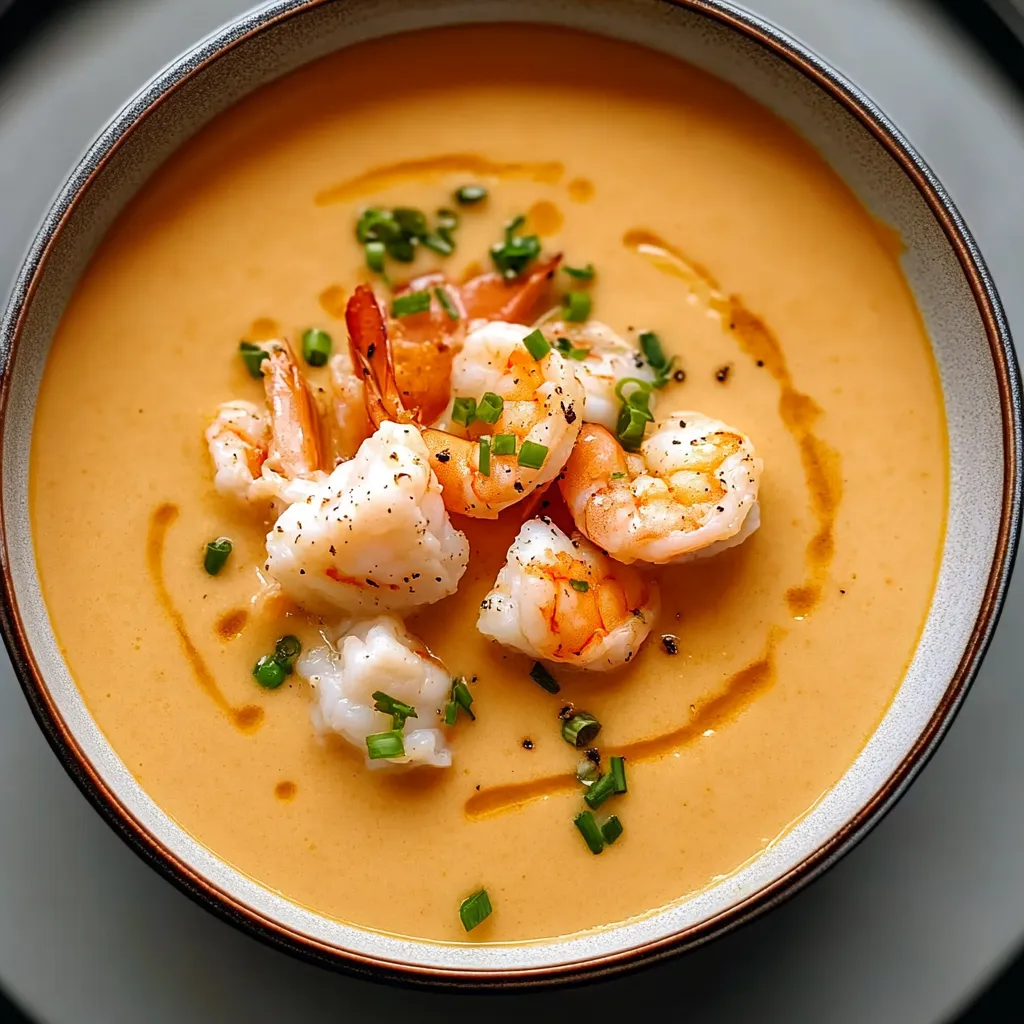
Sautéing shrimp and vegetables with aromatics, then building a velvety broth with seafood stock, cream, and brandy creates restaurant-quality bisque at home in about thirty minutes. The soup gets pureed until silky smooth, then lump crab meat stirred in at the end adds luxurious chunks throughout. Tomato paste provides that signature pink color while thickening the base, and heavy cream creates richness that makes every spoonful indulgent. This tastes like you spent hours making it but actually comes together in one pot with mostly straightforward techniques.
Seafood bisque intimidated me for years because it seemed too fancy and complicated for home cooking. Learning that the rich, creamy texture comes from simply pureeing sautéed vegetables with stock and cream demystified the entire process. The first time I made this and tasted how restaurant-quality it turned out, I was shocked at how straightforward the technique actually was. Now I make this for special occasions when I want to impress guests without actually slaving in the kitchen all day. The brandy and sherry sound fancy but they cook out completely, leaving just incredible depth of flavor.
Ingredients and Why They Matter
For the Base:
- Unsalted butter (4 tablespoons): Rich base for sautéing; controls salt levels
- Large shrimp (1 pound, peeled and deveined): Save shells for homemade stock; pre-cooked cocktail shrimp work for shortcuts
- Green onions (4, chopped): Mild onion flavor; leeks substitute
- Carrots (2 medium, diced): Sweetness and body; bell peppers substitute
- Celery (2 stalks, diced): Classic aromatic trio with onions and carrots
- Garlic (3-4 cloves, minced): Essential savory depth; use fresh, not jarred
- Bay leaves (2): Herbal depth
- Sweet paprika (1 teaspoon): Color and mild sweetness
- Old Bay seasoning (1 teaspoon): Classic seafood seasoning blend
- Dried thyme (½ teaspoon): Earthy herbal notes
- Cayenne pepper (¼ teaspoon): Subtle heat; adjust to taste
- Kosher salt and black pepper (to taste): Essential seasoning
- Tomato paste (2 tablespoons): Concentrated flavor and signature pink color
- All-purpose flour (¼ cup): Thickens the bisque
- Brandy (¼ cup): Rich, luxurious flavor; cognac substitutes
- Dry sherry (¼ cup): Complex depth; dry white wine substitutes
- Seafood stock (4 cups): Base liquid; homemade from shrimp shells tastes best, store-bought works
- Heavy cream (1½-2 cups): Creates signature richness; use full amount for most luxurious bisque
- Lump crab meat (8 ounces): Added at end for chunks throughout
How To Make It
- Make shrimp stock (optional but recommended):
- If making homemade stock, start here for the best flavor. Peel and devein the shrimp, reserving all the shells. In your large pot, melt 1 tablespoon butter over medium heat. Add the shrimp shells and sauté for about 5 minutes until they turn pink and smell fragrant. Add 4 cups water and 2 bay leaves. Bring to a simmer, then reduce heat and let it bubble gently for 15 minutes. The shells will infuse the water with incredible shrimp flavor. Strain through a fine-mesh sieve, discarding the shells, and set the stock aside. This homemade stock makes a huge difference in final flavor, but store-bought seafood stock works fine for a quicker version.
- Sauté the shrimp:
- If making stock, use the same pot after straining. If using store-bought stock, start here. Melt 1 tablespoon butter over medium-high heat. Add the peeled shrimp and cook for about 2-3 minutes per side until just opaque and pink. Don't overcook - they'll cook more when blended and reheated. Transfer the cooked shrimp to a plate and set aside. If using pre-cooked cocktail shrimp, skip this step entirely and just add them later.
- Sauté the vegetables:
- In the same pot, melt the remaining 2 tablespoons butter over medium heat. Add the chopped green onions, diced carrots, and diced celery. Cook, stirring occasionally, for about 8-10 minutes until the vegetables are very tender and translucent - you're sweating them, not browning them. Add the minced garlic, paprika, Old Bay, thyme, cayenne, salt, and pepper. Cook for another minute, stirring constantly, until everything smells incredibly aromatic. The vegetables should be very soft.
- Add tomato paste and flour:
- Add the tomato paste to the vegetables and stir constantly for about 2 minutes. The tomato paste will caramelize slightly and darken, which adds depth and develops that signature bisque color. Sprinkle the flour over everything and stir constantly for another 2 minutes. The flour needs this cooking time to lose its raw taste. The mixture will look thick and paste-like, which is correct.
- Deglaze with alcohol:
- Pour in the brandy and sherry. Use a wooden spoon to scrape up any browned bits stuck to the pot bottom - this is called deglazing and captures tremendous flavor. Let the alcohol bubble and cook for 2-3 minutes until most of it has evaporated. You'll smell the alcohol cooking off. This step burns off the harsh alcohol while leaving behind complex, rich flavor. Don't skip this even if you don't drink - the alcohol cooks out completely.
- Add stock and simmer:
- Slowly pour in the seafood stock while whisking constantly to prevent lumps from forming. The flour will want to clump if you add liquid too quickly, so pour gradually while whisking vigorously. Once all the stock is incorporated, bring to a simmer. Let it bubble gently, uncovered, for about 15 minutes, whisking occasionally. The soup will thicken from the flour and the flavors will meld together. The vegetables should be falling-apart tender.
- Puree until smooth:
- Turn off the heat and add the cooked shrimp back to the pot. Use an immersion blender to puree everything directly in the pot until completely smooth and velvety - this takes about 2-3 minutes of blending. No chunks should remain. If you don't have an immersion blender, carefully transfer the hot soup in batches to a regular blender - fill only halfway and hold the lid down with a towel to prevent steam explosions. Blend until completely smooth, then return to the pot. The pureed soup should look silky and uniform.
- Add cream and crab:
- Return the pot to medium-low heat. Stir in 1½ to 2 cups heavy cream - start with less and add more if you want it richer. Reserve half the lump crab meat for garnish, and stir the other half into the soup. Cook gently, stirring occasionally, for about 5 minutes until everything is heated through and the crab is warm. Don't let it boil rapidly or the cream can curdle. Taste and adjust seasoning with more salt and pepper if needed.
- Serve:
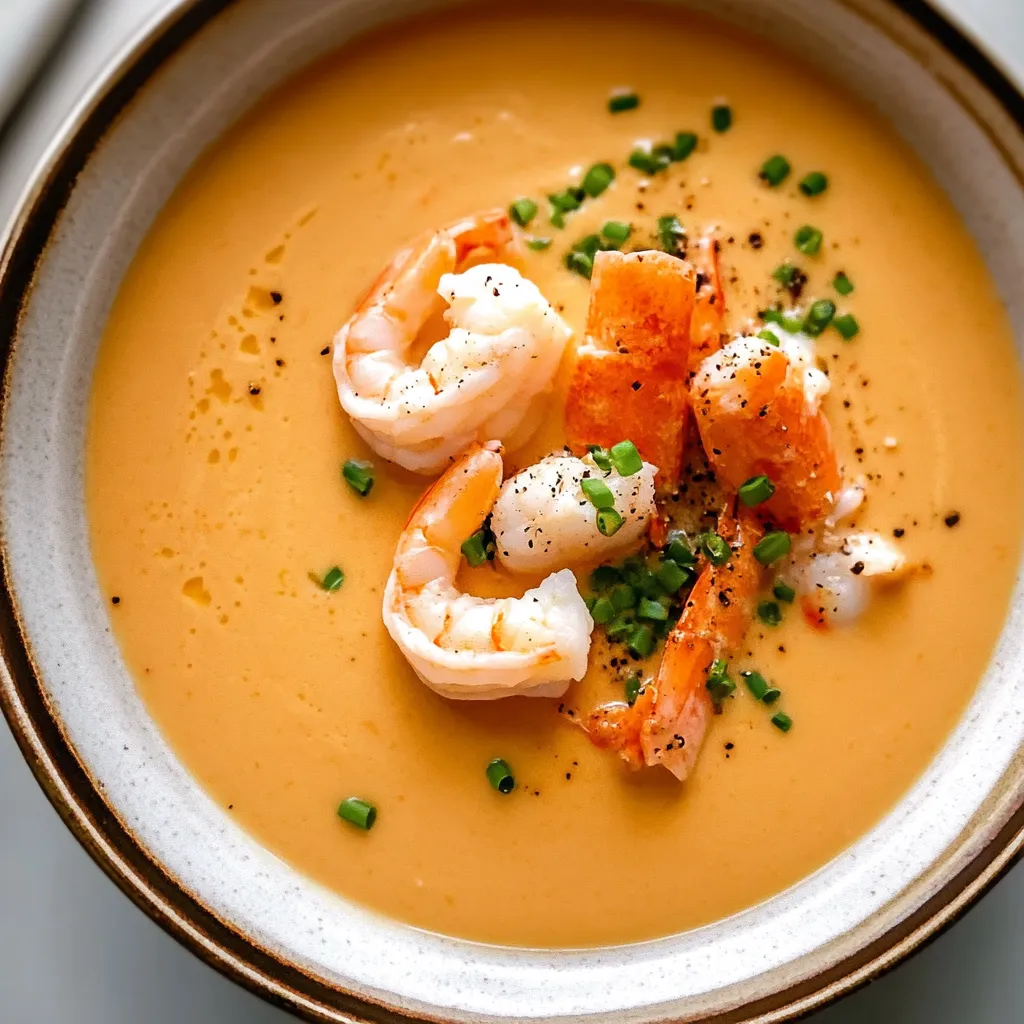
- Ladle the hot bisque into bowls. Top each serving with some of the reserved lump crab meat, a drizzle of heavy cream, and chopped fresh chives or green onions. Serve immediately with crusty bread for dipping. Leftovers keep refrigerated for up to 3 days but the soup shouldn't be frozen because dairy separates when frozen. Reheat gently over low heat without boiling.
 Pin it
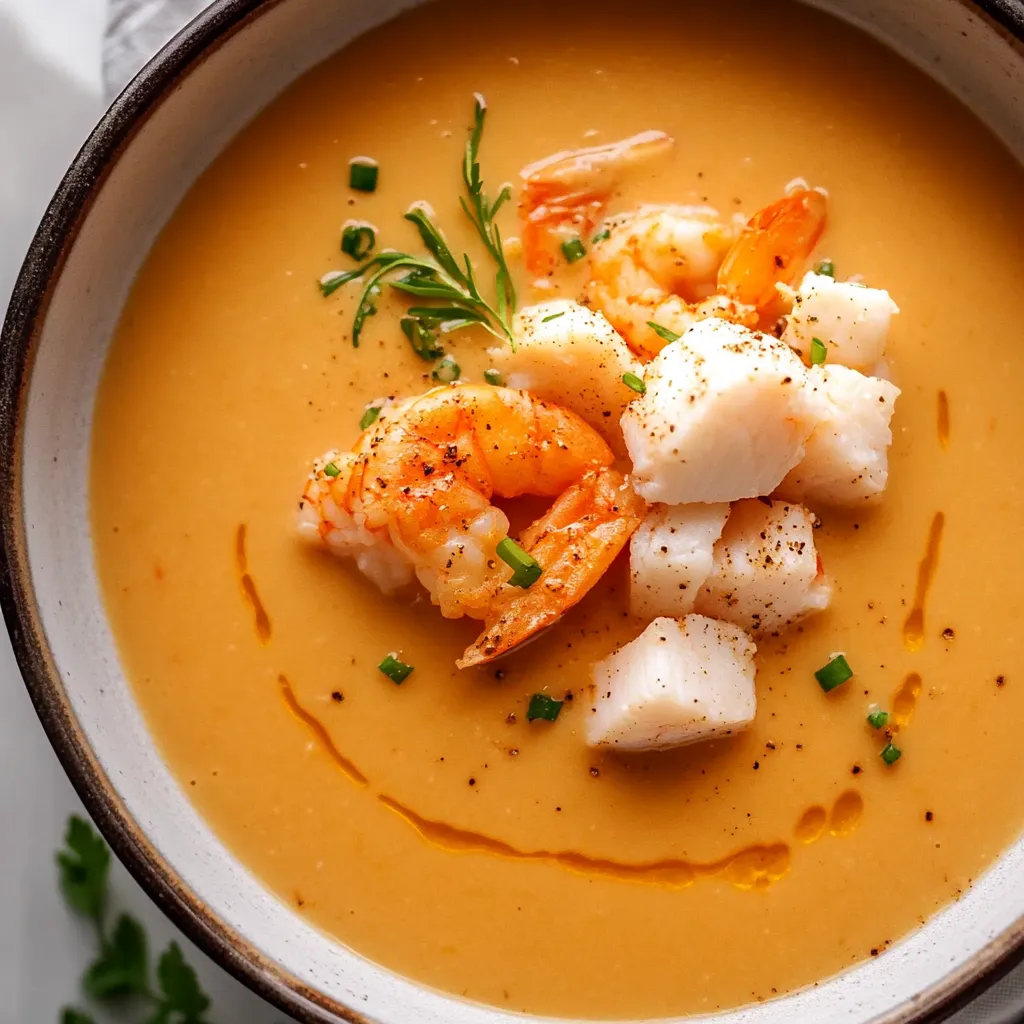
Bisque versus regular soup confused me until understanding that bisque specifically means pureed, creamy soup traditionally made with shellfish. The defining characteristics are the silky-smooth pureed texture and high cream content. Regular soup can be chunky or brothy. Chowder is thick and creamy but chunky with vegetables and protein visible. Bisque is elegant, smooth, and refined. The French technique involves pureeing everything for that luxurious mouthfeel that defines proper bisque.
Homemade Stock Benefits
Making stock from shrimp shells takes an extra 20 minutes but transforms the bisque from good to restaurant-quality. The shells contain incredible flavor that infuses the water during simmering. This homemade stock provides depth that store-bought versions can't match. If you're already peeling shrimp, the shells are right there - using them feels less wasteful than throwing them away. For shortcuts, quality store-bought seafood stock or even clam juice works. Choose low-sodium so you control salt levels.
The Role of Alcohol
Brandy and sherry aren't just for show - they add complex depth and richness that water or stock alone can't provide. The alcohol cooks out completely during the deglazing and simmering, leaving zero alcohol content but tremendous flavor. Brandy provides fruity, warm notes while sherry adds nutty complexity. Cognac can replace brandy and dry white wine can replace sherry. Don't skip this step thinking you can't cook with alcohol - the heat evaporates it all, leaving only the sophisticated flavor compounds.
Tomato Paste Purpose
Tomato paste serves multiple purposes beyond just adding tomato flavor. The concentrated paste adds body and helps thicken the soup. Cooking it until caramelized develops deeper, sweeter flavor and removes any metallic taste. Most importantly, it gives bisque that signature pinkish-orange color that makes it visually appealing and recognizable. Without tomato paste, bisque would be cream-colored rather than that beautiful coral hue.
Pureeing Technique
The pureeing step transforms chunky vegetable soup into elegant bisque. Immersion blenders work perfectly for this, allowing you to blend directly in the pot. Regular blenders create smoother results but require working in batches with hot liquid - always fill only halfway and hold the lid down firmly with a towel to prevent dangerous steam explosions. Blend for several minutes until absolutely no texture remains. The bisque should be as smooth as melted ice cream.
Seafood Variations
While shrimp and crab are classic, countless seafood combinations work beautifully. Use all shrimp for shrimp bisque. Use all crab or lobster for ultimate luxury. Add bay scallops for sweetness. Use firm white fish like cod or halibut for fish bisque. Mix whatever seafood you love or what's on sale. The technique stays identical - just substitute different shellfish or fish. Each creates different but equally delicious bisque.
Storage Considerations
Unlike many soups, bisque doesn't freeze well because the high cream content separates when frozen and thawed, creating grainy texture. Store leftovers refrigerated only for up to 3 days in airtight containers. The bisque will thicken considerably when cold. Reheat very gently over low heat on the stovetop, stirring frequently and adding a splash of stock or cream to thin if needed. Never boil during reheating or the cream will curdle and break.
 Pin it
This seafood bisque represents the kind of restaurant-quality cooking that's actually achievable at home with proper technique and good ingredients. The combination of silky-smooth texture, rich cream, sweet shellfish, and complex flavors creates something that tastes fancy and impressive while being surprisingly straightforward to make. When you serve this in bowls garnished beautifully and watch guests' faces light up at the first taste, you know you've created something special. Sometimes the best recipes are the ones that prove you can make restaurant favorites at home, and this bisque definitely accomplishes that goal perfectly every single time you make it.
Frequently Asked Questions
- → Can I use frozen shrimp for this bisque?
- Yes, frozen shrimp work perfectly fine. Just thaw them completely and pat dry before cooking. You can still use the shells to make the stock for extra flavor.
- → What can I substitute for brandy and sherry?
- Dry white wine works great as a substitute for both. You can also use additional seafood stock if you prefer to skip the alcohol entirely.
- → How do I store leftover bisque?
- Keep leftovers in an airtight container in the fridge for up to 3 days. Reheat gently over low heat, stirring often. Don't let it boil or the cream may separate.
- → Can I make this bisque ahead of time?
- Absolutely. Prepare the bisque through the blending step, then cool and refrigerate. When ready to serve, reheat gently and add the cream and crab.
- → What type of crab meat should I use?
- Lump crab meat gives the best texture and flavor. You can find it fresh or pasteurized in cans at most grocery stores. Avoid imitation crab for this recipe.
- → Is seafood bisque supposed to be thick or thin?
- Bisque should have a creamy, slightly thick consistency that coats the back of a spoon. If yours is too thick, thin it with more cream or stock.
- → Can I skip making the shrimp stock?
- Yes, you can use store-bought seafood stock or clam juice instead. The homemade version adds deeper flavor, but store-bought works in a pinch.