
 Pin it
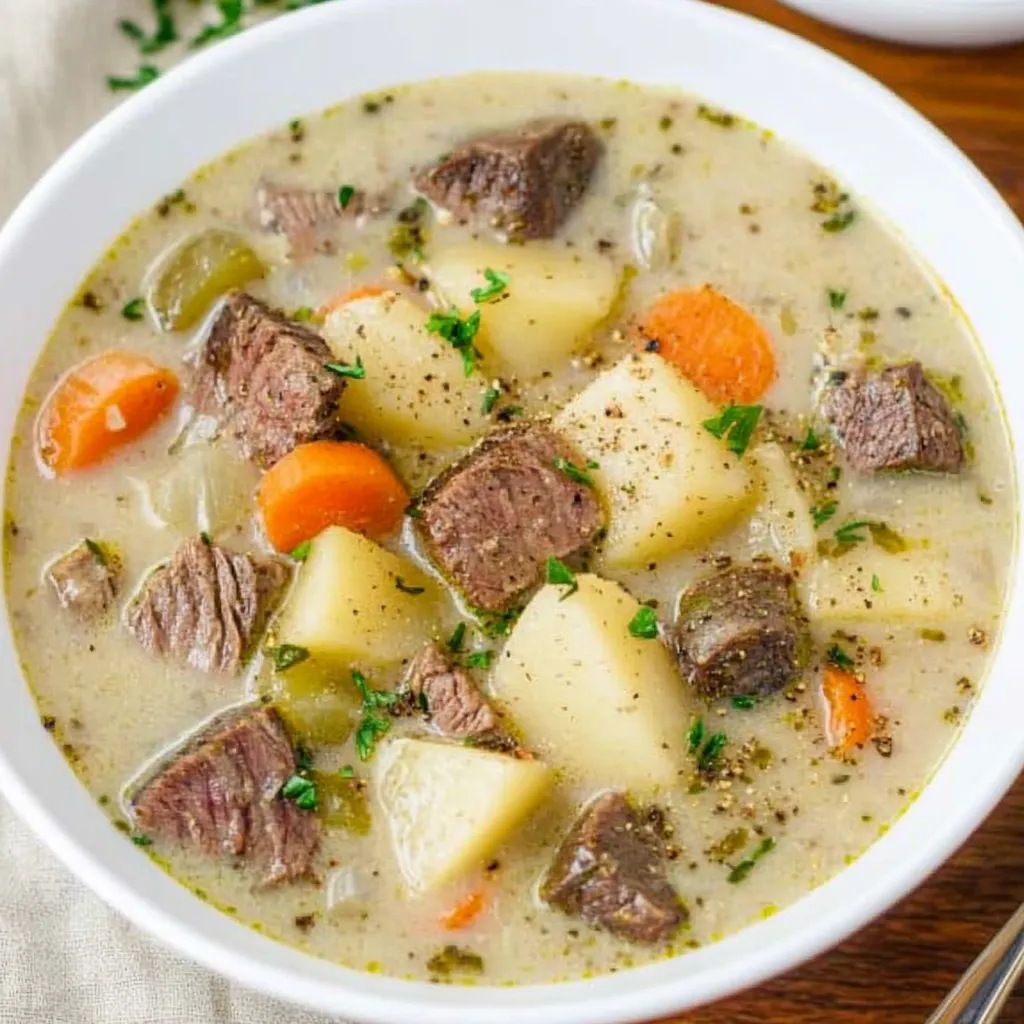
Steak and potato soup is one of those hearty, stick-to-your-ribs meals that transforms simple ingredients into something that tastes expensive and special despite being incredibly budget-friendly and practical. Tender chunks of seared beef and soft potato pieces swim in a rich, creamy broth flavored with aromatic vegetables, herbs, and a generous pour of heavy cream that makes the whole thing feel indulgent. What makes this particularly appealing for cold weather cooking is how it's essentially a complete meal in a bowl - protein, vegetables, starch, all in one pot - and how it stretches a relatively small amount of beef to feed a family by bulking it up with potatoes and vegetables. The soup manages to taste comforting without being heavy, and leftovers actually improve as the flavors meld overnight in the refrigerator, making it perfect for meal prep or making ahead for busy weeknights when you don't want to cook from scratch.
I started making steak and potato soup about ten years ago after buying a package of marked-down sirloin that was close to its sell-by date and needed to be used immediately. I didn't want to just grill the steaks because they looked a bit rough, so I cubed them and threw them in soup on a whim. That first batch was good but not great because I didn't sear the beef properly first. After learning that browning the meat creates foundational flavor through the Maillard reaction, and that deglazing the pan with broth captures all those delicious browned bits, the soup transformed into something I make regularly throughout the fall and winter.
Ingredients and What Makes Them Essential
- Sirloin or Chuck Steak (1 to 1½ pounds): Any relatively inexpensive steak cut works beautifully here. Sirloin has good flavor and stays tender, while chuck is more marbled and becomes incredibly tender with simmering. Avoid premium cuts like ribeye or filet which are wasted in soup. The beef should be cold from the refrigerator when you sear it.
- Russet or Red Potatoes (1½ pounds, about 4-5 medium): Russet potatoes break down slightly during cooking and help thicken the soup naturally, while red potatoes hold their shape better and create more distinct chunks. Both work beautifully depending on your texture preference. Peel russets but leave red potatoes unpeeled.
- Yellow Onion (1 large, diced): Onion provides aromatic sweetness and forms the flavor base. Dice it into pieces about ½-inch so it softens completely and integrates into the soup rather than staying in distinct chunks.
- Carrots (2 medium, peeled and diced): Carrots add sweetness, color, and nutrition. Dice them to match your potato size for even cooking. Baby carrots work too if you slice them.
- Celery (2 stalks, diced): Celery contributes aromatic flavor and slight crunch. The classic mirepoix of onion, carrot, and celery creates the backbone of countless soups.
- Garlic (4 cloves, minced): Fresh garlic adds pungent, savory depth. Mince it finely so it distributes throughout rather than creating harsh bites. Don't substitute jarred garlic or powder which taste completely different.
- Beef Broth or Stock (4 cups): Good quality broth provides the savory liquid base. Low-sodium is preferable so you control salt levels. Homemade beef stock tastes even better but store-bought works perfectly.
- Water (2 cups): Water dilutes the broth slightly to prevent the soup from being too intensely beefy. You can use all broth if you prefer richer flavor.
- Heavy Cream (1 cup): Heavy cream creates luxurious richness and makes the soup feel indulgent. You can substitute half-and-half for lighter soup, though it won't be quite as creamy.
- Olive Oil (2 tablespoons): Oil for searing the beef and sautéing vegetables. Use neutral vegetable oil if you prefer.
- Dried Thyme (1 teaspoon): Thyme adds herbal, earthy notes that complement beef beautifully. Fresh thyme works too - use 3 teaspoons if substituting.
- Dried Rosemary (½ teaspoon, crushed): Rosemary provides piney, aromatic flavor. Crush dried rosemary between your fingers before adding so it distributes better. Don't use too much or it will overpower.
- Fresh Parsley (2 tablespoons, chopped, for garnish): Parsley adds fresh, bright flavor and pretty green color. Flat-leaf Italian parsley has better flavor than curly parsley.
- Salt and Black Pepper (to taste): Proper seasoning at multiple stages is crucial. Freshly ground black pepper tastes better than pre-ground.
Step-by-Step Instructions
- Prep the Ingredients:
- Place your steak on a cutting board and use a sharp knife to cut it into bite-sized cubes about ¾ to 1 inch. Remove any large pieces of fat or gristle. Season the cubed beef generously on all sides with salt and black pepper. Dice your potatoes into ¾-inch cubes - if using russets, peel them first; if using red potatoes, you can leave the skin on. Dice the onion, carrots, and celery into pieces about ½-inch. Mince the garlic finely. Having everything prepped and ready before you start cooking makes the process much smoother.
- Sear the Beef:
- Place a large, heavy-bottomed pot or Dutch oven over medium-high heat and add 2 tablespoons of olive oil. Let the oil heat for about 2 minutes until it's shimmering and very hot but not smoking. Working in batches to avoid overcrowding - probably two batches for 1½ pounds of beef - add the seasoned beef cubes in a single layer with space between each piece. Let them sear completely undisturbed for about 2 to 3 minutes until the bottom develops a dark brown crust. Use tongs to flip each piece and sear the other sides, about 2 minutes per side. You want deep browning on multiple sides - this creates foundational flavor through the Maillard reaction. The beef doesn't need to cook through completely because it will finish cooking in the soup. Once well-browned on all sides, transfer the seared beef to a plate and set aside. If you're working in batches, sear all the beef before proceeding.
- Sauté the Vegetables:
- Reduce the heat under the same pot to medium. If the bottom looks excessively dark or burnt, wipe it out briefly with a paper towel, but leave any flavorful browned bits. Add another tablespoon of oil if the pot looks dry. Add the diced onion, carrots, and celery to the pot. Cook, stirring occasionally, for about 6 to 8 minutes until the vegetables begin to soften and the onion turns translucent. Add the minced garlic, 1 teaspoon of dried thyme, and ½ teaspoon of crushed rosemary. Stir constantly for about 1 minute until the garlic becomes fragrant. Don't let the garlic burn or it will taste bitter.
- Build the Soup:
- Pour in 4 cups of beef broth and 2 cups of water, scraping the bottom of the pot vigorously with a wooden spoon or spatula to release all the browned bits stuck to the bottom - this is called deglazing and captures tremendous flavor. Add the diced potatoes to the pot. Add ½ teaspoon of salt and several grinds of black pepper, though you'll adjust seasoning later. Increase the heat to high and bring the soup to a boil. Once boiling, reduce the heat to medium-low so the soup is simmering gently with small bubbles breaking the surface. Partially cover the pot with a lid and let it simmer for about 25 to 30 minutes, stirring occasionally. The potatoes should become completely tender when pierced with a fork, and the vegetables should be soft.
- Add Beef and Cream:
- After the potatoes are tender, return all the seared beef cubes to the pot along with any accumulated juices from the plate. Pour in 1 cup of heavy cream and stir everything together. Continue simmering uncovered for another 10 to 15 minutes until the beef is completely tender and cooked through and the soup has thickened slightly from the cream and potatoes. If using a tougher cut of beef, you may need to simmer longer - up to 30 additional minutes - until the meat is tender. Taste the soup and adjust the seasoning, adding more salt and pepper as needed. The soup should be well-seasoned and flavorful.
- Serve:
- Ladle the hot soup into bowls and garnish with chopped fresh parsley. You can also top with sour cream, shredded cheddar cheese, crumbled bacon, or sliced green onions if desired. Serve immediately with crusty bread for dunking.
 Pin it
My father-in-law is notoriously difficult to feed because he claims most food is "too fancy" and prefers plain meat and potatoes. When I served this steak and potato soup at a family dinner, he was suspicious because soup felt too elaborate, but after one bowl he went back for seconds and admitted it was "actually pretty good," which from him is effusive praise. He later quietly asked my mother-in-law to get the recipe, which she reported to me with amusement. Getting the plain-food-only person to voluntarily eat something with cream and herbs feels like winning.
Understanding Why Searing Creates Better Flavor
Searing beef before adding it to soup isn't just about appearance - it fundamentally changes the flavor through chemical reactions. When protein-rich foods like beef are exposed to high heat (above 300°F), the Maillard reaction occurs between amino acids and sugars, creating hundreds of new flavor compounds that taste savory, complex, and deeply meaty. This is what creates that brown crust on steaks, the golden exterior on roasted chicken, or the crusty edges on hamburgers. Without proper searing, beef added directly to soup tastes milder and less interesting. The browned bits that stick to the pan, called fond, contain highly concentrated flavor. Deglazing the pan with liquid releases these bits and incorporates them into the soup, ensuring no flavor goes to waste. This is why restaurant soups often taste better than home versions - professional cooks understand the importance of proper browning and deglazing at every stage.
The Role of Potatoes in Thickening Soup
Potatoes serve dual purposes in this soup - they're a hearty vegetable that makes the soup substantial, and they also naturally thicken the broth as they cook. When potatoes simmer in liquid, their starch granules absorb water, swell, and eventually some break down and release starch into the surrounding liquid. This creates body and thickness without requiring flour or cornstarch. Russet potatoes, which are starchy varieties, break down more readily and create more thickening than waxy red potatoes which hold their shape better. Some recipes actually mash a few potato pieces against the side of the pot to release more starch for additional thickening. If your soup seems too thin, you can simmer it uncovered longer to reduce liquid, mash some potatoes, or add a cornstarch slurry (1 tablespoon cornstarch mixed with 2 tablespoons cold water). If it's too thick, thin with more broth or water.
Why Heavy Cream Works Better Than Milk
While you could technically make this soup with milk instead of heavy cream, heavy cream produces dramatically better results. Heavy cream contains 36-40% butterfat, while whole milk contains only 3.5%. This high fat content creates richness and luxurious mouthfeel that milk can't match. Fat also carries and enhances flavor compounds, making everything taste more intense and satisfying. Heavy cream is less likely to curdle when heated or when combined with acidic ingredients. It thickens the soup slightly through its fat content. Half-and-half (10-12% butterfat) splits the difference between milk and cream, providing more richness than milk without being quite as indulgent as cream. For this soup specifically, where you're trying to create comforting, rich flavor, heavy cream is worth the extra calories. If you must use milk for dietary reasons, it will work but won't be quite as satisfying.
Choosing the Right Steak Cut
Not all steaks are created equal, and choosing the right cut for soup matters both for flavor and budget. Sirloin is ideal because it has good beefy flavor, stays relatively tender even when cubed, and is moderately priced. Chuck steak is more marbled with fat and connective tissue, which means it needs longer cooking to become tender but develops incredible richness. Round or rump is lean and can be tough, requiring extended simmering. Flank or skirt steak work but can be chewy if not sliced thin against the grain. Expensive cuts like ribeye, New York strip, or filet mignon are wasted in soup because their premium texture doesn't matter when they're cut into chunks and simmered. For best results and value, buy sirloin or chuck when they're on sale, or look for marked-down steaks near their sell-by date which work perfectly for soup. Even tougher cuts become tender with proper simmering.
Storage, Reheating, and Make-Ahead Strategies
This soup is excellent for meal prep and actually improves after a day in the refrigerator as flavors meld. Let the soup cool to room temperature, then transfer to airtight containers and refrigerate for up to 3 days. The soup may thicken considerably in the fridge as the potatoes continue releasing starch - this is normal. When reheating, add a splash of broth or water to return it to proper consistency. Reheat in a saucepan on the stovetop over medium-low heat, stirring occasionally, until heated through. Or microwave individual portions in 1 to 2 minute intervals, stirring between intervals. For freezing, cool completely and freeze in freezer-safe containers for up to 3 months. The texture of potatoes and cream changes slightly after freezing - they can become grainy - but the soup is still good. Thaw overnight in the refrigerator before reheating. For make-ahead convenience, you can prepare the soup through simmering the potatoes, then refrigerate. Add the beef and cream when ready to serve.
Variations and Customization Ideas
While the classic version is delicious, this soup template accommodates numerous variations. For loaded baked potato soup, omit the beef and add more potatoes, top with bacon, cheddar, sour cream, and green onions. For mushroom steak soup, add 8 ounces of sliced mushrooms sautéed with the vegetables. For Southwestern version, add cumin, chili powder, corn, and top with pepper jack cheese. For heartier soup, add pearl barley or wild rice which cook along with the potatoes. For extra vegetables, include green beans, peas, or corn during the last 10 minutes of cooking. For cheesy version, stir in sharp cheddar or Gruyere with the cream. For lighter soup, use half-and-half instead of cream and increase vegetables. For Italian twist, add Italian seasoning, diced tomatoes, and Parmesan. Each variation maintains the comforting soup structure while creating different flavor profiles.
Troubleshooting Common Problems
When steak and potato soup doesn't turn out right, there's usually a fixable cause. If the beef is tough and chewy, you didn't simmer it long enough after adding it back to the soup - continue simmering until fork-tender. If the soup tastes flat and bland, you underseasoned or didn't brown the beef properly - season generously and ensure good searing next time. If the soup is too thin and watery, simmer uncovered longer to reduce liquid or mash some potato pieces to release starch. If it's too thick, add more broth or water to thin to desired consistency. If the cream looks curdled, you added it to soup that was boiling too vigorously - cream should be added to gently simmering soup and heated through without boiling. If the potatoes are mushy, you overcooked them - add potatoes later or reduce simmering time. If vegetables are still crunchy, extend simmering time. Most issues relate to cooking times, seasoning levels, or temperature management.
Serving Suggestions and Complete Meal Ideas
Steak and potato soup is substantial enough to be a complete meal, but thoughtful accompaniments can elevate the experience. Crusty bread is traditional and perfect for soaking up the creamy broth - try sourdough, French baguette, or rustic Italian bread. For homemade bread, Dutch oven bread or no-knead bread are impressive but easy. Dinner rolls or biscuits work beautifully too. A crisp green salad with vinaigrette provides fresh contrast to the rich soup - try simple mixed greens with lemon dressing or Caesar salad. For heartier accompaniments, serve with grilled cheese sandwiches for dunking. Cornbread is another excellent pairing. For beverages, red wine like Cabernet or Merlot complements beef, or try dark beer. For casual meals, serve the soup in bread bowls for an impressive presentation. For parties, set up a topping bar with shredded cheese, sour cream, bacon bits, and green onions so guests can customize their bowls.
 Pin it
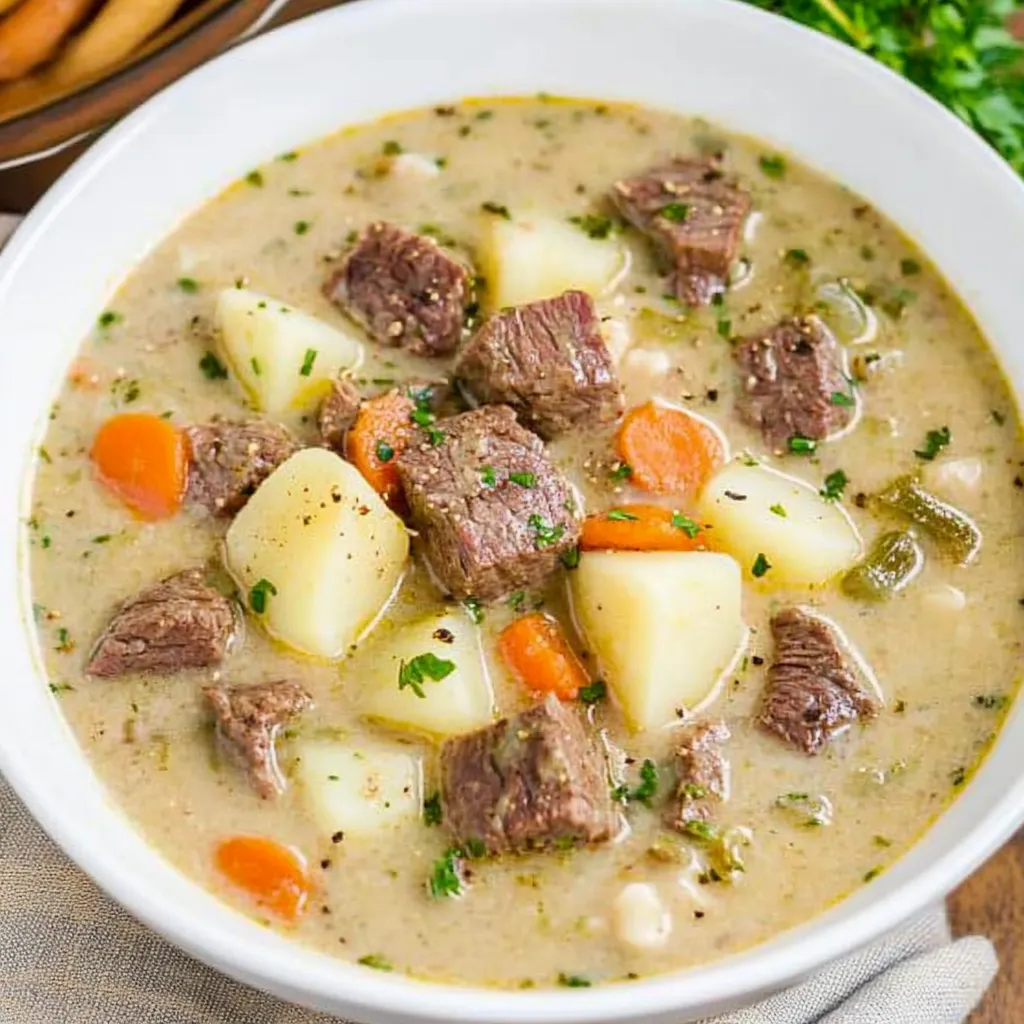
After making steak and potato soup countless times over the past decade, it's become one of my most reliable cold weather meals because it checks every box - budget-friendly, filling, comforting, genuinely delicious, and practical for leftovers. I appreciate how it uses inexpensive ingredients to create something that tastes expensive and special, and how one pot produces enough for multiple meals. The combination of properly seared beef, tender potatoes, aromatic vegetables, and rich cream creates satisfaction that lighter soups can't match. Knowing I can customize it based on what vegetables I have or what cut of beef is on sale makes it endlessly adaptable. This represents exactly what good home cooking should be - practical, economical, genuinely better than restaurant versions once you understand proper technique, and comforting enough that a bowl makes everything feel better on a cold day.
Frequently Asked Questions
- → Can I use a different cut of beef?
- Yes, you can use any tender cut like top sirloin, strip steak, or even stew meat. Just adjust the cooking time if needed for tougher cuts.
- → How do I store leftover soup?
- Keep it in a sealed container in the fridge for up to 3 days. The flavors get better as it sits. Reheat gently on the stove.
- → Can I freeze this soup?
- Yes, but cream-based soups can separate when frozen. Freeze without the cream, then add it fresh when you reheat the soup.
- → What can I use instead of heavy cream?
- Try half-and-half for a lighter version, or use full-fat coconut milk for a dairy-free option. The taste will be slightly different but still good.
- → Do I have to peel the potatoes?
- No, you can leave the skins on if you prefer. Just scrub them well first. The skins add extra texture and nutrients to the soup.
- → Can I make this in a slow cooker?
- Sure! Brown the meat first, then add everything except the cream to your slow cooker. Cook on low for 6-8 hours, then stir in the cream before serving.