
 Pin it
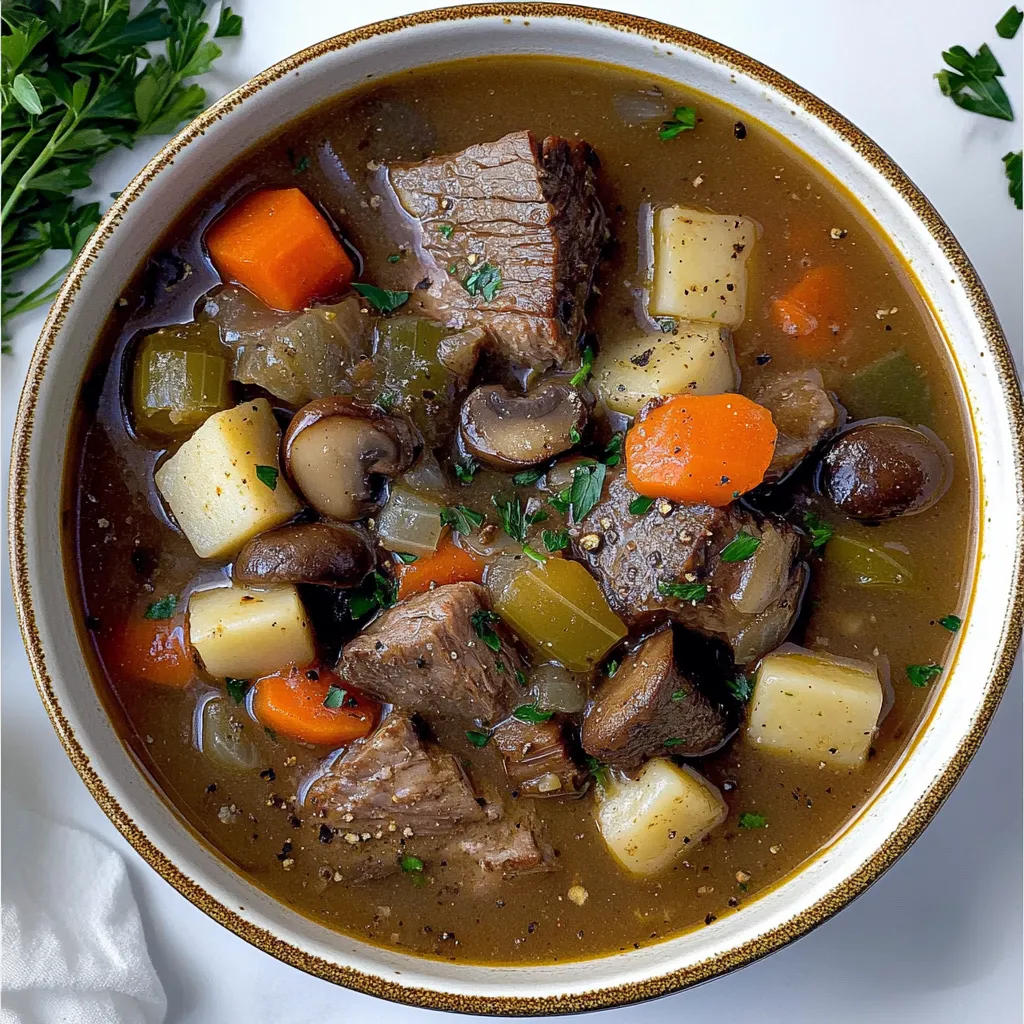
This prime rib soup transforms leftover holiday roast into incredibly comforting, hearty soup through tender beef pieces, creamy potatoes, and savory vegetables swimming in rich broth enhanced by a secret ingredient. The key to exceptional flavor is A-1 sauce stirred into the broth, which adds the same umami-rich, tangy complexity you'd get from using it as steak condiment but distributed throughout the entire soup. Sautéing mushrooms first, then browning the prime rib pieces before adding liquid, builds layers of flavor through caramelization that make this taste like something that simmered for hours. This is the perfect solution for using up leftover standing rib roast while capturing that signature melt-in-your-mouth texture that makes prime rib special.
I developed this recipe after a holiday dinner left me with significant leftover prime rib that was starting to dry out in the refrigerator. The first time I made it, I was genuinely surprised by how the A-1 sauce transformed the broth—adding that same savory, slightly tangy complexity that makes it perfect with steak, but distributed throughout so every spoonful had depth. Now I actually look forward to leftover prime rib because I know this incredible soup is in my future. The fact that it uses up both the meat and makes excellent use of the bones (if you save them for broth) feels satisfying and prevents waste from such an expensive cut.
Ingredients and What Makes Them Essential
- Leftover prime rib (3 to 4 cups, diced): Cooked prime rib provides incredibly tender, flavorful beef without requiring you to cook meat from scratch. The marbling throughout prime rib means it stays moist and buttery even when reheated in soup, unlike leaner cuts that would dry out. Trim away any excessively large chunks of fat—while prime rib's fat creates its signature richness, too much in the soup would make the broth greasy. The natural marbling provides enough richness. Leftover beef tenderloin, roast beef, or steak substitute perfectly if you don't have prime rib.
- Potatoes (3 medium, diced): Russet or Yukon Gold potatoes provide hearty substance and help thicken the soup naturally through released starch. Russets have higher starch content that creates creamier consistency as some pieces break down during cooking. Yukon Golds hold their shape better while still contributing creaminess. Dice them into roughly ¾-inch cubes for substantial bites that cook evenly. The potatoes make the soup filling and satisfying rather than just brothy.
- Mushrooms (8 ounces, sliced): Mushrooms add meaty umami flavor and satisfying texture that complements the beef beautifully. Cremini or baby bella mushrooms have more flavor than white buttons, though any variety works. Sautéing them first in a dry pan or with minimal oil allows moisture to evaporate and develops deep, caramelized flavor. This pre-cooking prevents them from becoming waterlogged and bland when simmered in broth.
- Yellow onion (1 large, diced): Onion provides aromatic foundation and sweet-savory depth that supports all the other flavors. Dice it into small, uniform pieces so it softens completely and practically melts into the soup. The onion releases natural sugars when sautéed that add subtle sweetness balancing the savory beef and earthy mushrooms.
- Carrots (2 medium, diced): Carrots contribute natural sweetness, vibrant color, and additional vegetables that make the soup feel complete. Dice them into small pieces that will soften during the relatively short cooking time without staying hard. The natural sugars in carrots balance the savory elements and add depth. Choose firm, fresh carrots without soft spots.
- Celery (2 stalks, diced): Celery adds aromatic complexity, subtle peppery flavor, and pleasant texture that softens during simmering. The mild flavor supports the other vegetables without dominating. Dice it into pieces similar in size to the carrots and onion for even cooking. Together, onion, carrots, and celery form the classic mirepoix that provides aromatic foundation for countless soups.
- Garlic (4 to 5 cloves, minced): Fresh garlic brings pungent, aromatic complexity that enhances the soup's savory qualities. Mince it finely so it distributes evenly and cooks quickly without burning. Fresh garlic tastes dramatically better than jarred or powdered in soup where the flavor comes through clearly. The garlic mellows during simmering, losing its raw bite and contributing sweet, nutty undertones.
- Beef broth (6 cups): Broth provides the savory liquid base that becomes the soup. Homemade broth made from prime rib bones is ideal and adds incredible depth—simmer the bones with vegetables and herbs for several hours to extract maximum flavor and collagen. Store-bought beef broth works perfectly if you don't have bones or time. Use low-sodium broth so you can control the final salt level, especially important since prime rib is often heavily seasoned.
- A-1 sauce (3 tablespoons): This is the secret ingredient that elevates the soup from good to exceptional. A-1 contains tomatoes, vinegar, spices, and other savory ingredients that add complex umami depth, subtle tanginess, and that elusive "special something" that makes people ask what's in the soup. The sauce seasons the broth with the same flavors that complement steak perfectly, but distributed throughout rather than applied externally. Start with 3 tablespoons and add more to taste—the flavor should be present but not identifiable as steak sauce.
- Fresh thyme (1 teaspoon, or ½ teaspoon dried): Thyme provides earthy, slightly minty flavor that's traditional with beef and adds herbal complexity. Fresh thyme tastes more vibrant than dried, though dried works using half the amount. Strip fresh thyme leaves from woody stems before adding. Rosemary can supplement or replace thyme for different herbal notes—both work beautifully with beef.
- Salt and black pepper (to taste): Seasoning is crucial but must be handled carefully since prime rib is often heavily seasoned during roasting. Taste the broth before adding salt and adjust conservatively—you can always add more but can't remove excess. Black pepper adds subtle heat and aromatic quality. Always taste before serving and adjust—underseasoned soup tastes flat despite good ingredients.
Step-by-Step Instructions
- Sauté mushrooms for maximum flavor:
- Heat a large soup pot or Dutch oven over medium-high heat. Add the sliced mushrooms to the dry pot without oil initially—this allows them to release their moisture and brown properly rather than steaming. Cook for about 5 to 7 minutes, stirring occasionally, until the mushrooms release their liquid, it evaporates, and they begin developing golden-brown color. If desired, add a tablespoon of oil or butter toward the end to enhance browning. Use a wooden spoon to scrape up any browned bits stuck to the bottom of the pot—these are packed with flavor. Transfer the cooked mushrooms to a plate and set aside. They'll be added back near the end to prevent them from becoming waterlogged during long simmering.
- Sauté the aromatic vegetables:
- Add about 2 tablespoons of oil or butter to the pot and reduce heat to medium. Add the diced onion, carrots, and celery. Cook for about 8 to 10 minutes, stirring occasionally, until the vegetables soften and the onion becomes translucent without browning excessively. You want them tender and aromatic but not caramelized. Add the minced garlic and fresh thyme, cooking for another minute while stirring constantly until the garlic becomes fragrant and releases its aroma. The pot should smell incredibly aromatic at this point with all those classic soup aromatics perfuming everything.
- Brown the prime rib pieces:
- Add the diced leftover prime rib to the pot with the vegetables. Increase heat to medium-high and cook for about 3 to 5 minutes, stirring occasionally, until the beef pieces develop some browning on their surfaces. You're not trying to cook the beef through since it's already cooked—you're creating caramelization that adds depth and complexity to the final soup. The Maillard reaction from browning creates hundreds of new flavor compounds that make the soup taste richer. Don't skip this step even though the meat is already cooked.
- Add liquids and remaining ingredients:
- Pour in the beef broth and add the A-1 sauce, stirring well to combine and scraping up any browned bits stuck to the bottom of the pot. Add the diced potatoes and stir everything together thoroughly. Increase the heat to medium-high and bring the soup to a boil, which should take about 5 to 10 minutes. Once boiling, reduce the heat to maintain a gentle simmer where you see occasional bubbles breaking the surface but not a rolling boil.
- Simmer until vegetables are tender:
- Let the soup simmer uncovered for about 20 to 25 minutes, stirring occasionally, until the potatoes are completely tender when pierced with a fork and the flavors have melded together beautifully. During this time, the potatoes will release starch that naturally thickens the soup, the vegetables will become completely soft, and everything will infuse the broth with flavor. Test the potatoes after 20 minutes—if they're still firm, continue cooking for another 5 to 10 minutes.
- Add mushrooms and finish seasoning:
- Once the potatoes are tender, return the reserved sautéed mushrooms to the pot and stir them in. Let the soup simmer for just another 3 to 5 minutes to heat the mushrooms through without making them waterlogged and mushy. Taste the soup carefully and season with salt and black pepper as needed—start conservatively since the prime rib may have contributed significant salt during roasting. You'll likely need less salt than you expect. Adjust until it tastes properly seasoned and delicious.
- Serve hot:
- Ladle the hot soup into bowls and serve immediately. The soup pairs beautifully with crusty bread for dipping or saltine crackers. Garnish with fresh thyme leaves or chopped parsley if desired. The contrast of tender beef, creamy potatoes, and flavorful broth is incredibly satisfying and comforting.
 Pin it
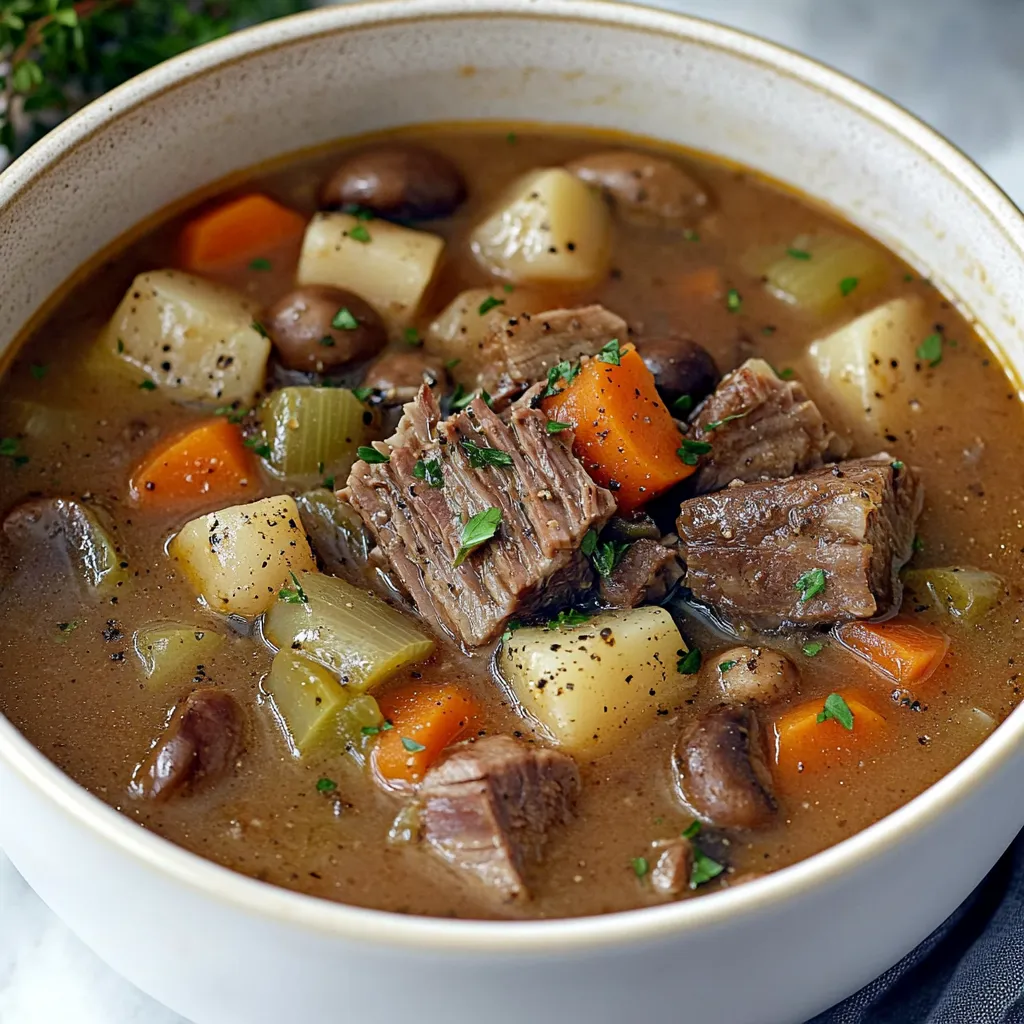
The technique that made the biggest difference in my prime rib soup was learning to actually brown the beef pieces before adding liquid rather than just dumping everything together and simmering. My early attempts tasted somewhat flat because I skipped that browning step, thinking the meat was already cooked so browning was unnecessary. Once I learned that creating new caramelization on the surface through the Maillard reaction adds depth and complexity even to already-cooked meat, my soup transformed completely. Those few minutes of browning created hundreds of new flavor compounds that made the soup taste rich and restaurant-quality rather than just like leftovers in broth. Now I'm disciplined about that browning step even when I'm hungry and want to move faster, because I know it's what separates mediocre soup from genuinely excellent soup that showcases the prime rib beautifully.
Understanding the Secret Ingredient
A-1 sauce might seem like an unusual addition to soup, but understanding its composition explains why it works so brilliantly. A-1 contains tomatoes, raisin paste, vinegar, corn syrup, salt, crushed orange puree, garlic, onions, and various spices including tamarind. This complex blend creates umami-rich, tangy, slightly sweet flavor that enhances beef perfectly—which is why people have been using it on steaks for over a century.
When added to soup broth instead of used as condiment, A-1 distributes those complementary flavors throughout the entire pot rather than just on the surface of meat. The tomatoes add depth and body, the vinegar provides brightness that balances richness, the garlic and onions enhance the aromatics you've already sautéed, and the spices create complexity. The result is soup that tastes like it has a secret ingredient people can't quite identify but know makes it special.
The key is using the right amount—too little and the impact is negligible, too much and the soup tastes obviously like steak sauce rather than subtly enhanced. Three tablespoons for a large pot is the sweet spot where it adds depth without being identifiable. Some people enjoy adding more to individual bowls as a finishing condiment, similar to how you might offer hot sauce or Worcestershire on the side. Experiment to find your preference, but start conservative and add more gradually while tasting.
Maximizing Prime Rib Bones
If you saved the bones from your prime rib roast, making homemade bone broth transforms them into liquid gold that elevates this soup from good to extraordinary. Place the bones in a large pot and cover with cold water by several inches. Add roughly chopped vegetables (onion, carrots, celery), a few garlic cloves, bay leaves, peppercorns, and fresh herbs. Bring to a boil, then reduce to the gentlest simmer possible and cook for 6 to 12 hours, occasionally skimming foam that rises to the surface.
The long, slow simmering extracts collagen from bones and connective tissue, creating broth with body and richness that store-bought can't match. The collagen transforms into gelatin during cooking, giving the broth silky mouthfeel and making it gel when refrigerated—this is the sign of nutrient-dense, properly made bone broth. The bones also contribute minerals and that characteristic deep, beefy flavor that makes soup taste restaurant-quality.
Strain the finished broth through a fine-mesh strainer, discarding all solids. Let it cool, then refrigerate overnight. The next day, scrape off and discard the solidified fat layer on top. The broth underneath is ready to use for soup or can be frozen for several months. Using this homemade broth in your prime rib soup creates incredible depth that showcases your expensive roast investment fully, preventing any waste.
Customization and Add-Ins
The basic recipe is wonderful as written, but leftover soup is perfect for using up various other ingredients you might have lurking in your refrigerator or pantry. Corn—either fresh cut from cobs, frozen, or canned and drained—adds sweetness and pleasant pop of texture. Stir it in during the last 10 minutes of cooking so it heats through without becoming mushy. Green beans cut into bite-sized pieces work similarly.
Diced tomatoes add acidity and brightness that balances the rich beef—use a 14-ounce can with juices or 2 cups fresh diced tomatoes added with the broth. The tomatoes create slightly different flavor profile that's excellent in its own right. Barley or small pasta shapes like ditalini or shells make the soup even heartier and more substantial—add them with the potatoes and adjust liquid if needed since they absorb broth as they cook.
Leftover roasted vegetables from your holiday meal can go directly into the soup—Brussels sprouts, parsnips, turnips, or sweet potatoes all work beautifully. Chop them into bite-sized pieces and add them near the end just to heat through since they're already cooked. This flexibility makes the soup excellent for cleaning out your refrigerator after big holiday meals when you have multiple leftovers to use up.
Storage and Leftover Management
Prime rib soup stores exceptionally well and actually improves after a day in the refrigerator as flavors meld and develop. Store in airtight containers in the refrigerator for up to 4 days. The soup will thicken as the potatoes continue absorbing liquid even when cold, which is normal. When reheating, add a splash of broth or water to thin it back to desired consistency while stirring over medium-low heat on the stovetop.
The soup freezes reasonably well for up to 3 months, though the potatoes may become slightly grainy in texture after freezing and thawing. If you know you'll be freezing portions, consider undercooking the potatoes slightly so they don't completely fall apart. Cool completely before freezing, then store in freezer-safe containers or bags. Thaw overnight in the refrigerator and reheat gently on the stovetop.
For optimal texture when reheating, use low heat and stir frequently to prevent scorching. The beef can become tough if reheated too aggressively, so patience is important. If you notice the soup looking separated or the fat having congealed on top after refrigeration, simply reheat while stirring and everything will come back together smoothly. Taste and adjust seasoning after reheating since refrigeration can dull flavors—a fresh crack of black pepper or splash of A-1 sauce brightens everything beautifully.
 Pin it
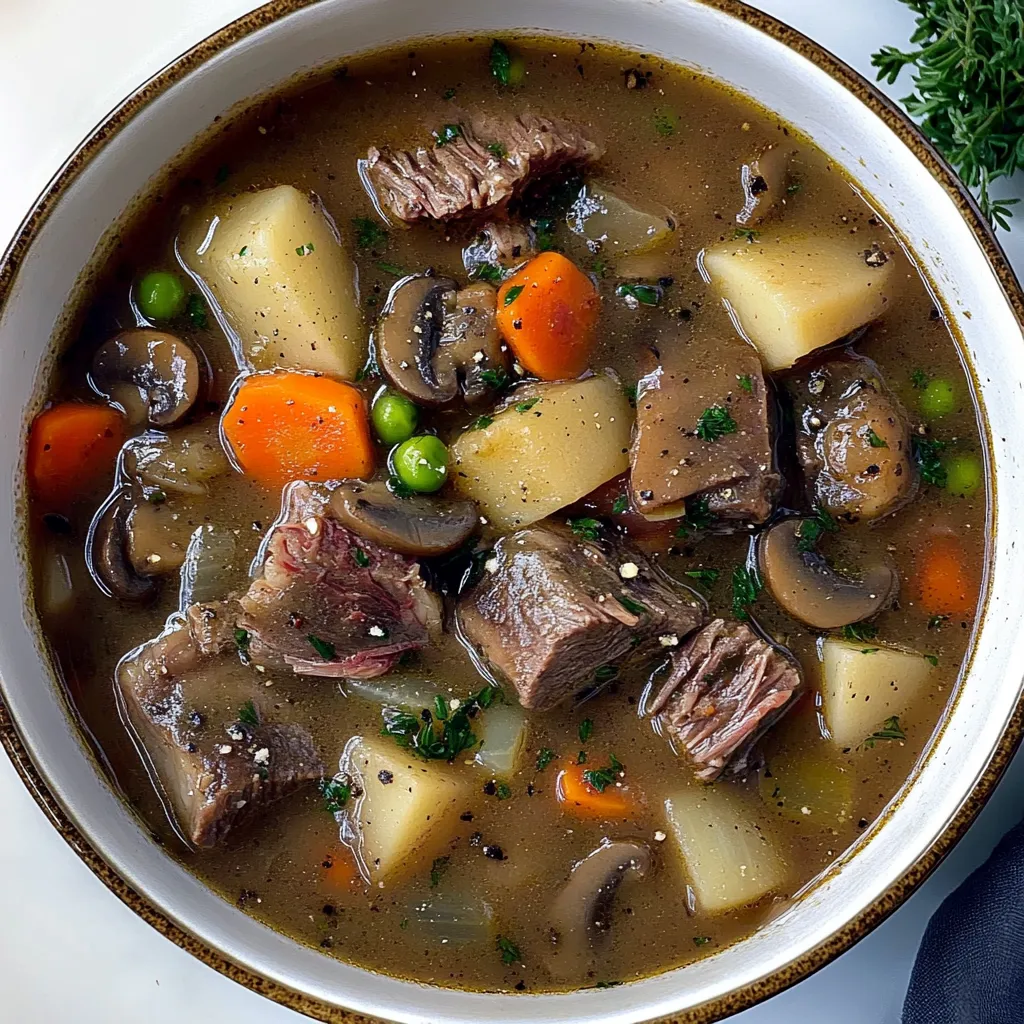
This prime rib soup has become my favorite way to use leftover holiday roast because it transforms expensive beef into something that feels as special as the original meal rather than just being leftovers. The combination of tender prime rib, creamy potatoes, earthy mushrooms, and rich broth enhanced by A-1 sauce creates genuine comfort in a bowl. I love that it uses up both the meat and provides perfect opportunity to make incredible bone broth from the bones, maximizing value from such a premium cut. The fact that it comes together relatively quickly while tasting like it simmered for hours makes it practical for post-holiday cooking when you're already exhausted. Once you taste how the A-1 sauce adds that elusive depth and complexity, and how properly browning the beef creates layers of flavor despite it being already cooked, you'll understand why this recipe has earned permanent status in my leftover repertoire and why I sometimes buy prime rib specifically so I can make this soup.
Frequently Asked Questions
- → Can I use regular roast beef instead of prime rib?
- Yes! Any leftover roast beef works great in this soup. The cooking method is the same regardless of the cut you use.
- → How do I store leftover soup?
- Keep it in an airtight container in the fridge for up to 4 days. You can also freeze it for up to 3 months.
- → Can I skip browning the meat?
- You could, but browning adds so much flavor to the soup. It only takes a few extra minutes and makes a big difference.
- → What if I don't have A1 sauce?
- The soup is still delicious without it. You can add a little extra Worcestershire sauce or just leave it out completely.
- → Can I add other vegetables?
- Absolutely! Green beans, corn, or parsnips would all be great additions. Just adjust the cooking time based on what you add.
- → Why is my soup too thin?
- Let it simmer uncovered for longer to reduce the liquid, or mash a few potato pieces against the pot to thicken the broth naturally.
- → Do I have to use low-sodium broth?
- No, but if you use regular broth, wait to add salt until the end since regular broth is already salty.