
 Pin it
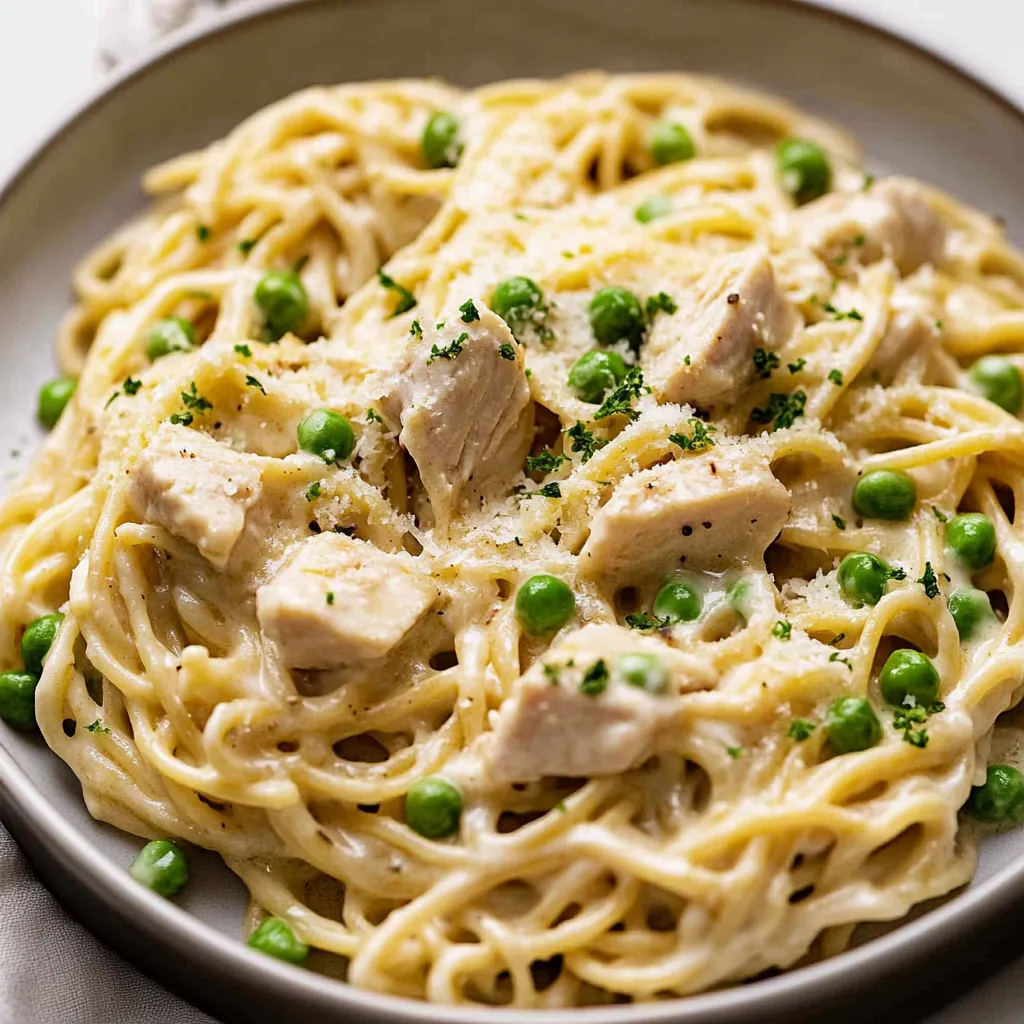
Turkey tetrazzini is one of those vintage casseroles that fell out of fashion but deserves a comeback because it transforms boring leftover turkey into something creamy, cheesy, and actually exciting to eat instead of just being reheated holiday food you're forcing yourself to finish. The dish layers cooked pasta with shredded turkey in a rich cream sauce made from scratch with butter, flour, chicken stock, and cream, then tops everything with melted mozzarella that gets golden and bubbly in the oven. What makes this particularly practical for the post-Thanksgiving period is how it's make-ahead and freezer-friendly, meaning you can assemble the entire casserole when you're motivated to deal with leftovers, then bake it days or even weeks later when you want comfort food but have no energy to cook from scratch. The prep takes maybe ten minutes of active work while the oven does everything else, and the result feeds a crowd or provides multiple meals for smaller families trying to stretch those holiday leftovers as far as possible.
I started making turkey tetrazzini about twelve years ago after a Thanksgiving left me with so much leftover turkey that I was getting desperate for ways to use it that didn't taste like reheated holiday dinner. The first version I made used canned cream soup which tasted processed and bland. After learning to make proper cream sauce with a roux, the whole dish transformed into something I actually looked forward to eating rather than just tolerated. Now I sometimes roast a turkey breast specifically to make tetrazzini even when it's not Thanksgiving, which says a lot about how much better the homemade cream sauce version is compared to the canned soup shortcut.
Ingredients and What Makes Them Essential
- Unsalted Butter (4 tablespoons, ½ stick): Butter provides rich flavor and forms the base of the roux that thickens the sauce. Using unsalted lets you control the salt level precisely. The butter should be at room temperature or at least soft enough to melt quickly.
- Yellow Onion (1 small, diced): Onion adds aromatic sweetness and savory depth to the cream sauce. Dice it small, about ¼-inch pieces, so it softens completely and distributes evenly throughout.
- Garlic (3 cloves, minced): Fresh garlic provides pungent, savory flavor. Mince it finely so it cooks quickly and doesn't create harsh bites. Don't substitute jarred minced garlic or garlic powder which taste completely different.
- Italian Seasoning (1 teaspoon): This herb blend typically contains oregano, basil, thyme, and sometimes rosemary - all herbs that complement creamy pasta dishes. You can substitute 1 tablespoon of fresh herbs if you prefer.
- All-Purpose Flour (¼ cup): Flour combines with butter to create a roux that thickens the sauce. The flour needs to cook for a minute or two to eliminate the raw flour taste before adding liquid.
- Low-Sodium Chicken or Turkey Stock (2 cups): Stock provides savory flavor base. Low-sodium is important so you can control saltiness - regular stock combined with cheese often becomes too salty. Homemade turkey stock from the carcass is ideal but store-bought works perfectly.
- Light Cream or Half-and-Half (1 cup): Cream creates the rich, silky sauce texture. Light cream or half-and-half provides creaminess without being as heavy as heavy cream. You can use heavy cream for extra richness if preferred.
- Spaghetti (12 ounces, about ¾ pound): Any long pasta works - spaghetti, linguine, fettuccine, or even penne or rigatoni. Cook it slightly less than al dente (about 1 minute under package directions) because it continues cooking in the oven.
- Cooked Turkey (3 cups, chopped or shredded): Leftover turkey from Thanksgiving, a roasted turkey breast, or even rotisserie chicken all work beautifully. Chop or shred it into bite-sized pieces. Both white and dark meat work well, or use a combination.
- Frozen Peas (1 cup): Peas add color, nutrition, and slight sweetness. Frozen peas go directly into the casserole without thawing. You can substitute other vegetables like frozen mixed vegetables, spinach, or broccoli florets.
- Shredded Mozzarella Cheese (2 cups, about 8 ounces): Mozzarella melts beautifully and creates that gooey, stretchy cheese topping. Shred it yourself from a block for better melting than pre-shredded. You can substitute white cheddar, Gruyere, or a combination.
- Salt and Black Pepper (to taste): You'll need to season at multiple stages. Start conservatively since the stock and cheese add sodium. Freshly ground black pepper tastes better than pre-ground.
Step-by-Step Instructions
- Prepare Your Oven and Dish:
- Preheat your oven to 350°F and position a rack in the center. Lightly grease a 9x13-inch baking dish with butter or cooking spray. Set it aside. If you're planning to freeze this casserole, consider using a disposable aluminum pan for convenience, though a regular baking dish works fine.
- Cook the Pasta:
- Bring a large pot of salted water to a boil. Add 12 ounces of spaghetti and cook according to package directions, but stop 1 to 2 minutes before the suggested time. You want the pasta slightly undercooked - firmer than al dente - because it will continue cooking in the oven and you don't want it to become mushy. Drain the pasta thoroughly but don't rinse it. The starch clinging to the pasta helps the sauce adhere better. Set the drained pasta aside in a large bowl.
- Make the Cream Sauce:
- While the pasta cooks, place a large, deep skillet or saucepan over medium heat and add 4 tablespoons of butter. Let it melt completely, swirling the pan to coat the bottom. Once melted and foamy, add your diced onion. Cook, stirring occasionally, for about 4 to 5 minutes until the onion turns translucent and softens. Add 3 cloves of minced garlic and 1 teaspoon of Italian seasoning. Stir constantly for about 1 minute until the garlic becomes fragrant but doesn't brown. Add ¼ teaspoon of salt and several grinds of black pepper. Now sprinkle ¼ cup of flour evenly over the vegetables. Stir immediately to coat everything with flour. Continue cooking and stirring constantly for about 2 minutes. The mixture will look dry and pasty, which is correct - you're cooking the raw flour taste out. This creates a roux that will thicken your sauce.
- Add the Liquids:
- Gradually pour in 2 cups of chicken or turkey stock, adding it about ½ cup at a time initially. After each addition, whisk or stir vigorously to incorporate the liquid into the roux. The mixture will seize up and look impossibly thick at first, but keep stirring and it will smooth out. Continue adding stock in increments, stirring thoroughly after each addition, until all the stock is incorporated. Then add 1 cup of light cream or half-and-half the same way, stirring constantly. Once all the liquid is added, increase the heat slightly and bring the sauce to a gentle simmer. Cook, stirring occasionally, for about 5 minutes until the sauce thickens enough to coat the back of a spoon. It should be thick and creamy but still pourable - thicker than soup but thinner than mashed potatoes. Taste the sauce and adjust the seasoning with more salt and pepper if needed. Keep in mind you'll be adding cheese later which adds saltiness.
- Combine Everything:
- In your large bowl with the cooked, drained pasta, add 3 cups of chopped turkey, 1 cup of frozen peas (no need to thaw them first), and pour in all of the cream sauce. Use a large spoon or tongs to toss everything together thoroughly, making sure the sauce coats all the pasta and the turkey and peas are evenly distributed throughout. You want every forkful to have pasta, turkey, peas, and sauce rather than having them clumped separately.
- Assemble the Casserole:
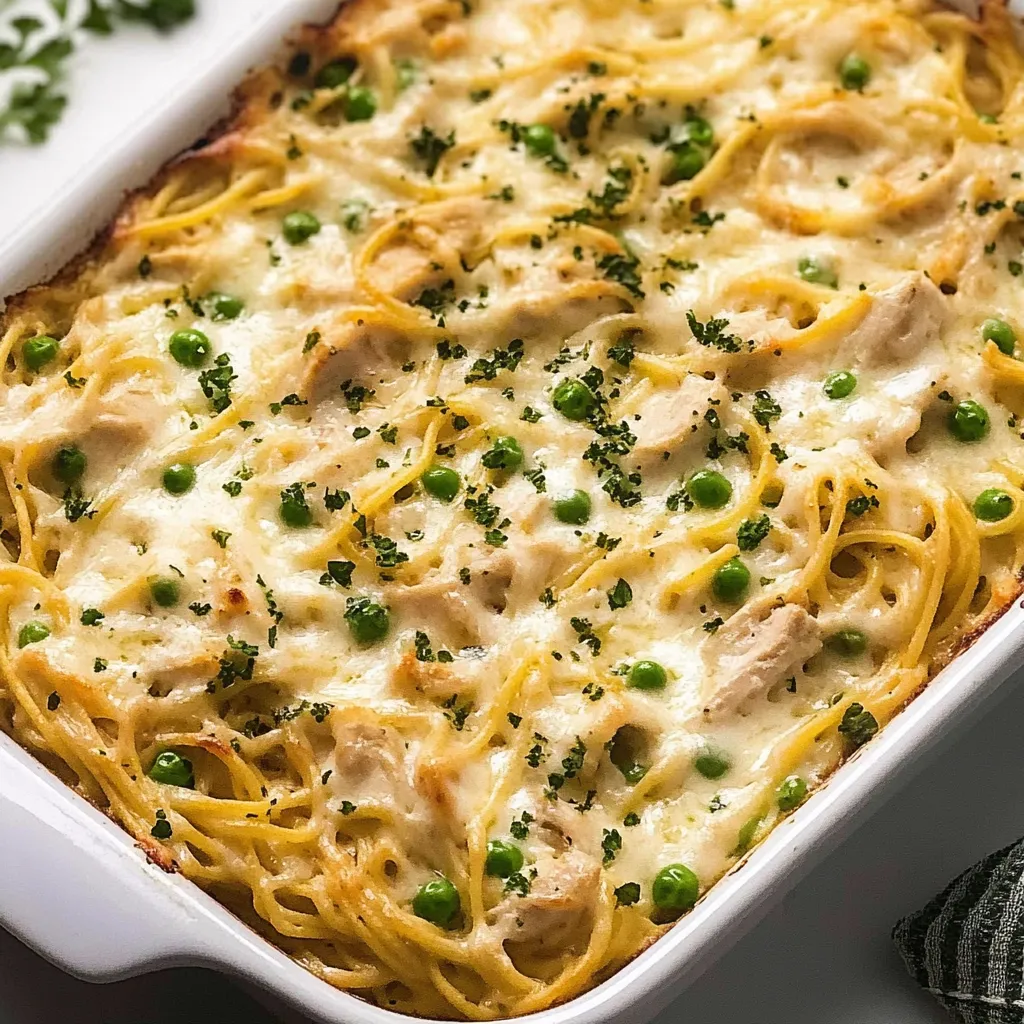
- Transfer the pasta mixture to your prepared 9x13-inch baking dish, spreading it evenly and smoothing the top with a spatula. Sprinkle 2 cups of shredded mozzarella cheese evenly over the entire surface, covering everything. The cheese layer should be generous enough to create a golden, bubbly topping but not so thick it won't melt properly.
- Bake:
- Slide the baking dish into your preheated 350°F oven. Bake uncovered for 25 to 30 minutes until the casserole is heated through, the sauce is bubbling around the edges, and the cheese on top is melted and golden brown in spots. If you want more browning on the cheese, you can turn on the broiler for the last 2 to 3 minutes, watching carefully to prevent burning. The casserole is done when the center is hot throughout and the cheese is completely melted.
- Rest and Serve:
- Remove the baking dish from the oven and let it rest for about 5 to 10 minutes before serving. This resting time allows the sauce to set slightly so it doesn't run all over the plate when you scoop it. Cut into portions or scoop directly from the pan. Serve hot with crusty bread for soaking up the creamy sauce.
 Pin it
My mother-in-law is famous in the family for making turkey tetrazzini every year after Thanksgiving using canned cream of mushroom soup, and everyone always politely ate it but nobody ever requested seconds. When I made this version with actual homemade cream sauce and brought it to a family gathering, people went back for seconds and thirds and several relatives quietly asked me for the recipe instead of asking her. She was a bit miffed until she tried it and admitted the homemade sauce made a significant difference. Now she makes it my way but still claims it's her recipe, which I find amusing but also choose not to argue about.
Understanding Roux-Based Cream Sauces
A roux is one of the fundamental techniques in French cooking and forms the base of countless sauces from béchamel to gravy. It's simply fat and flour cooked together, but understanding what happens during the process helps you make better cream sauce. When you cook flour in butter, the fat coats individual starch granules and helps them disperse evenly when you add liquid, preventing clumping. The heat also breaks down the raw starch molecules, removing that chalky, pasty flavor uncooked flour has. When you add liquid to a properly cooked roux, those starch granules absorb the liquid and swell dramatically, creating thickness and body. The longer you cook a roux before adding liquid, the darker it gets and the more complex the flavor becomes, though it loses some thickening power. For tetrazzini, you want a blonde roux - cooked just enough to remove raw flour taste without browning. The ratio of fat to flour to liquid determines final thickness. This recipe's proportions create a coating consistency that's perfect for pasta dishes where you want creamy sauce without being soupy.
Why This Works Better Than Canned Soup Versions
Many vintage tetrazzini recipes call for canned cream of mushroom or cream of chicken soup as a shortcut, but making sauce from scratch produces dramatically better results. Canned cream soups contain stabilizers, thickeners, and preservatives that create a distinct processed flavor and slightly gluey texture. They're also quite salty, which limits your ability to control seasoning. Homemade cream sauce made from butter, flour, stock, and cream tastes clean, fresh, and actually creamy rather than starchy and artificial. You can control the thickness precisely by adjusting liquid amounts. You can customize the flavor with aromatics and herbs. The sauce tastes like real food rather than something from a can. The extra five minutes required to make proper cream sauce is absolutely worth it for the quality improvement. This is one of those situations where the shortcut saves minimal time while sacrificing significant flavor.
The Importance of Pasta Cooking Time
Properly timing the pasta cook is crucial for tetrazzini that's tender rather than mushy. When you boil pasta to al dente (firm to the bite), the starches on the outside are fully cooked while the center remains slightly firm. If you then bake that al dente pasta in sauce, the outside continues cooking and absorbing liquid while the center finishes, resulting in pasta that's perfectly cooked. If you cook pasta completely to full tenderness before baking, the baking time pushes it past done into mushy territory where it falls apart and loses structure. This is why the recipe specifically instructs to cook pasta 1 to 2 minutes less than package directions suggest. The pasta should be edible but definitely firmer than you'd want to eat it. During the 25 to 30 minutes of baking, it will absorb sauce and finish cooking to perfect tenderness. This principle applies to any baked pasta dish - always undercook the pasta slightly during boiling.
Make-Ahead and Freezing Strategies
Turkey tetrazzini excels as a make-ahead meal, which makes it perfect for busy schedules or meal planning. For refrigerator make-ahead, assemble the entire casserole through adding the cheese topping, cover tightly with plastic wrap or aluminum foil, and refrigerate for up to 4 days before baking. When ready to cook, remove from the refrigerator 30 minutes before baking to take the chill off, then bake as directed, adding 5 to 10 extra minutes to ensure the cold casserole heats through completely. For freezer make-ahead, assemble through adding cheese, wrap tightly in a layer of plastic wrap followed by a layer of aluminum foil, and freeze for up to 3 months. For best results, thaw overnight in the refrigerator before baking, then proceed with the recipe as written. You can bake from frozen in a pinch, but it requires about 60 minutes and the edges may overcook before the center heats through. Cover with foil for the first 45 minutes to prevent the cheese from burning. Properly wrapped tetrazzini maintains quality remarkably well in the freezer.
Variations and Customization Ideas
While the classic version is delicious, this tetrazzini formula accommodates countless variations. For mushroom tetrazzini, sauté 8 ounces of sliced mushrooms with the onions. For vegetarian tetrazzini, omit the turkey and increase vegetables - add broccoli, spinach, bell peppers, or whatever you like. For seafood tetrazzini, substitute cooked shrimp or salmon for the turkey. For extra richness, use all heavy cream instead of light cream. For crispy topping, mix ½ cup of panko breadcrumbs with 2 tablespoons of melted butter and sprinkle over the cheese before baking. For more sophisticated flavor, use Gruyere or white cheddar instead of mozzarella, and add fresh thyme. For gluten-free versions, use gluten-free pasta and substitute cornstarch for flour in the roux (use 2 tablespoons cornstarch instead of ¼ cup flour). For spicy versions, add red pepper flakes or diced jalapeños. The basic structure of pasta plus protein plus cream sauce plus cheese works with endless combinations.
Understanding Cheese Melting Properties
Different cheeses melt differently, and choosing the right one for the top matters. Mozzarella melts beautifully into smooth, gooey strands because of its moisture content and the way its protein structure breaks down under heat. It has mild flavor that works with many dishes without overwhelming them. Sharp cheddar provides more flavor but can become grainy or oily when melted if the heat is too high, though it works well in casseroles at moderate oven temperatures. Gruyere melts smoothly into creamy richness with nutty, complex flavor. Parmesan doesn't melt smoothly but adds intense flavor - it's better mixed in with mozzarella rather than used alone. Pre-shredded cheese contains anti-caking agents (usually cellulose) that prevent it from melting as smoothly as freshly shredded cheese from a block. For best results, buy a block and shred it yourself. The moisture content, fat content, and protein structure all affect how cheese melts, which is why some cheeses are better for melting than others.
Storage, Reheating, and Leftover Uses
Leftover turkey tetrazzini keeps well and reheats beautifully, making it excellent for meal prep or lunches throughout the week. Let the baked casserole cool to room temperature, then cover tightly with plastic wrap or transfer portions to airtight containers. Refrigerate for 3 to 4 days. To reheat in the oven, cover with foil and bake at 325°F for about 20 to 30 minutes until heated through. To reheat in the microwave, transfer a portion to a microwave-safe dish, cover loosely, and heat in 1-minute intervals, stirring between intervals. The pasta may absorb some sauce during storage, so adding a splash of milk or cream when reheating can restore creaminess. You can also freeze leftover baked tetrazzini - let it cool completely, wrap tightly, and freeze for up to 2 months. Thaw overnight in the refrigerator before reheating. For creative leftover uses, stuff it into bell peppers or hollowed-out bread bowls, use it as filling for hand pies or turnovers, or top with additional cheese and broil for a crispy version.
Serving Suggestions and Complete Meal Planning
Turkey tetrazzini is substantial enough to be a complete meal, but thoughtful sides can round out the experience. Crusty artisan bread or garlic bread is traditional for soaking up the creamy sauce. A crisp green salad with vinaigrette provides fresh, acidic contrast to the rich casserole - try arugula with lemon vinaigrette or mixed greens with balsamic dressing. Roasted vegetables like green beans, asparagus, broccoli, or Brussels sprouts add nutrition and textural variety. For lighter accompaniments, serve with steamed vegetables or a simple tomato cucumber salad. Wine pairing works beautifully - try Chardonnay or Pinot Grigio for white, or light Pinot Noir for red. For casual meals, serve with simple sides and call it done. For entertaining, present the casserole in a nice baking dish, surround with bread and salad, and you have an impressive but low-effort meal.
Troubleshooting Common Casserole Problems
When tetrazzini doesn't turn out right, there's usually a fixable cause. If the sauce is too thin and watery, you didn't cook the roux long enough or didn't use enough flour - next time cook the roux for the full 2 minutes and measure flour accurately. If it's too thick and gluey, you used too much flour or overcooked the pasta before baking - use less flour and undercook the pasta more. If the pasta is mushy, you cooked it too long before baking - stop cooking 2 minutes before al dente. If it's dry, you didn't use enough sauce or overbaked it - make sure everything is well-coated with sauce and don't overbake. If the top browns too quickly, your oven runs hot - reduce temperature by 25 degrees and cover with foil. If it tastes bland, you underseasoned - taste and adjust salt, add more herbs, or use better quality stock. If the cheese didn't melt, your oven wasn't hot enough - verify oven temperature and increase if needed. Most issues relate to sauce consistency, pasta timing, or seasoning, all adjustable with practice.
 Pin it
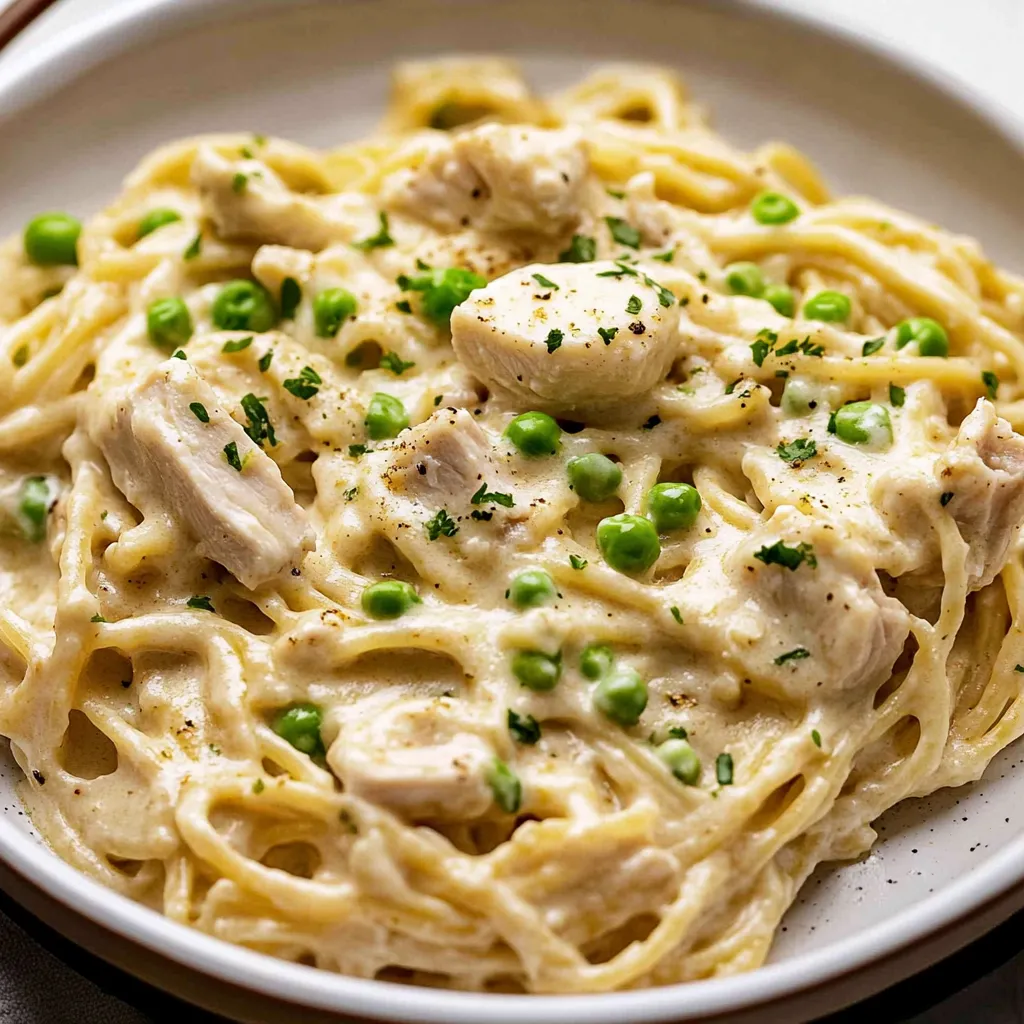
After making turkey tetrazzini countless times over the past decade, it's become my absolute favorite way to use Thanksgiving leftovers because it transforms them so completely that it doesn't feel like eating leftovers at all. There's something deeply satisfying about taking picked-over turkey that nobody wants to eat anymore and turning it into creamy, cheesy pasta that people actually get excited about. I appreciate the make-ahead capability because I can assemble it when I'm motivated to deal with leftovers, then bake it days later when I'm tired and don't want to cook. The recipe is forgiving enough that I can vary the vegetables, pasta shapes, and cheese based on what I have without worrying about ruining it. This represents exactly what good home cooking should be - practical, delicious, flexible, and genuinely better than ordering takeout or eating sad reheated holiday food for the fifth day in a row.
Frequently Asked Questions
- → Can I use chicken instead of turkey?
- Yes, cooked chicken works great in this recipe. Rotisserie chicken is a quick and easy option.
- → What pasta can I use besides spaghetti?
- Any pasta shape works well. Try penne, rigatoni, fettuccine, or egg noodles. Just cook it until almost done.
- → Can I make this ahead of time?
- Yes, assemble the casserole without baking, cover it tightly, and refrigerate for up to 24 hours. Add 10 extra minutes to the baking time.
- → How do I store leftovers?
- Keep leftovers in an airtight container in the fridge for up to 4 days. Reheat portions in the microwave or warm the whole dish in the oven.
- → Can I freeze turkey tetrazzini?
- Yes, it freezes well for up to 3 months. Freeze before or after baking. Thaw overnight in the fridge before reheating.
- → What can I add to make it more filling?
- Add mushrooms, broccoli, bell peppers, or carrots. Cook harder vegetables with the onion and add frozen ones with the peas.