
 Pin it
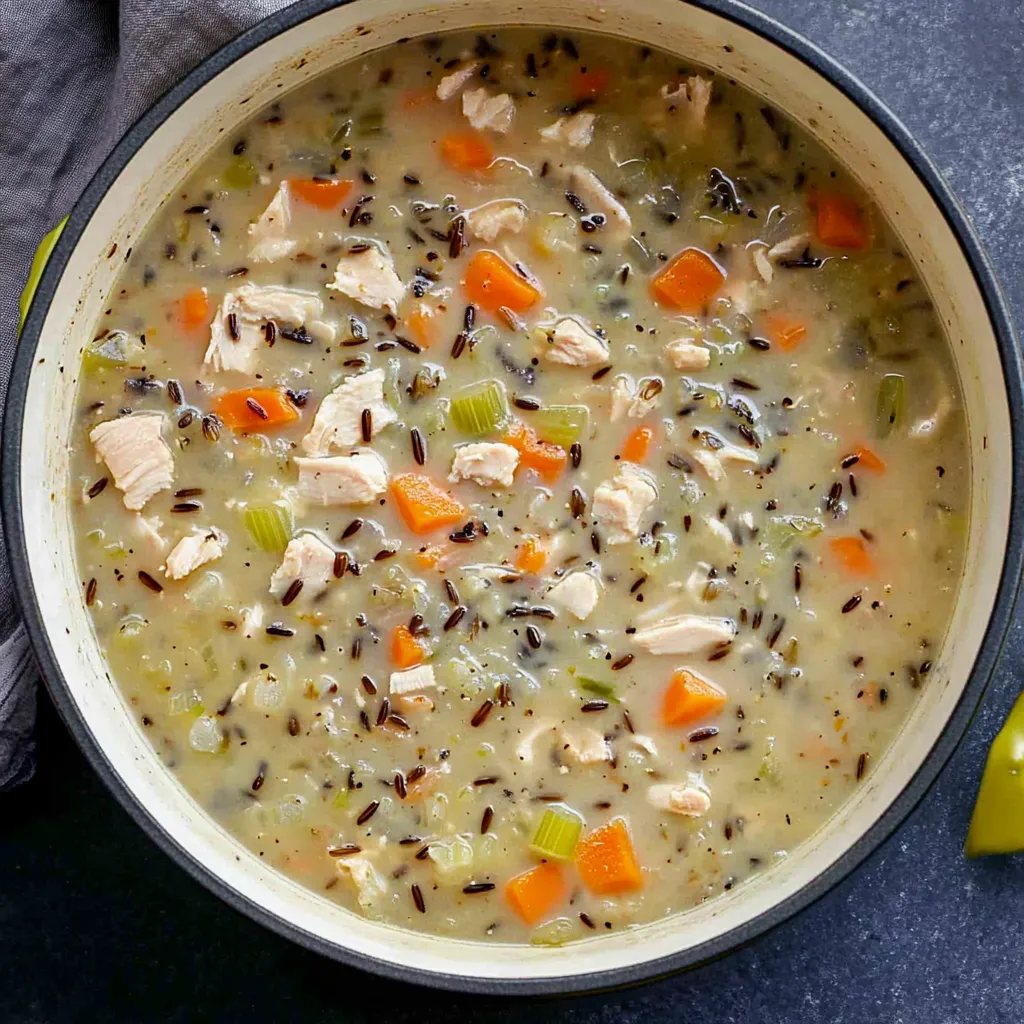
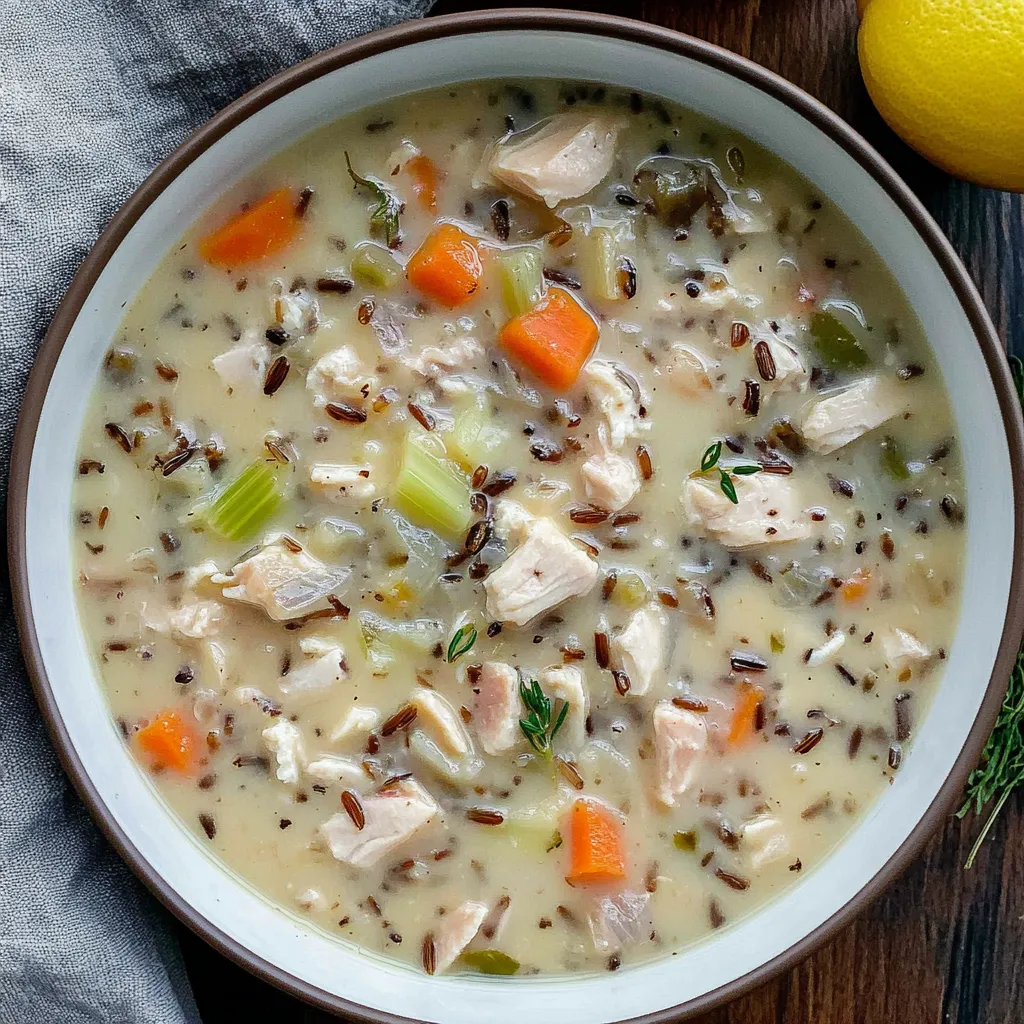
This leftover turkey wild rice soup transforms holiday leftovers into something you'll actually look forward to eating rather than just tolerating out of obligation. Tender turkey pieces swim in a creamy, herb-flecked broth enriched with aromatic vegetables and nutty wild rice blend that provides satisfying texture and earthy flavor. The soup builds layers of flavor through properly sautéed aromatics, white wine deglazing, and careful thickening with flour before finishing with cream and bright lemon juice that prevents it from tasting heavy. This is the kind of comforting, soul-warming soup that makes cold weather feel cozy, and it provides a genuinely delicious solution for using up all that leftover turkey sitting in your refrigerator after Thanksgiving.
I'll be honest—I'm a sides person at Thanksgiving, and the turkey itself is usually the least exciting part of the meal for me. But this soup completely changes my relationship with leftover turkey because it transforms that often-dry breast meat into something genuinely delicious swimming in creamy, flavorful broth. The first time I made this after a Thanksgiving where we'd massively overestimated how much turkey we needed, I was shocked by how much better the soup was than the original roasted turkey had been. Now I actually hope for leftover turkey because I know this soup is in my future. The combination of wild rice, cream, and properly built aromatics creates something that tastes intentional and special rather than like leftovers, and my family requests it specifically rather than groaning about eating turkey again.
Ingredients and What Makes Them Essential
- Leftover turkey (3 to 4 cups, shredded or cubed): Cooked turkey from your holiday meal provides the protein base for this soup and saves you from cooking chicken from scratch. Both white and dark meat work beautifully—use whatever you have or prefer. Remove and discard the skin before adding to the soup since floating skin pieces would be unappetizing. If you don't have leftover turkey, rotisserie chicken substitutes perfectly with identical results. For using raw chicken instead, cut boneless breasts or thighs into 2-inch pieces and simmer them in the broth for 10 to 15 minutes until cooked through before shredding.
- Yellow onion (1 medium, diced): Onion forms part of the classic mirepoix trio that provides aromatic foundation and sweet-savory depth. Yellow onions have ideal balance of sweetness and sharpness that mellows beautifully during sautéing. Dice it into small, uniform pieces so it softens completely and distributes throughout the soup. The onion releases natural sugars when cooked that add subtle sweetness balancing the savory broth.
- Celery (2 to 3 stalks, diced): Celery is the second component of mirepoix and adds aromatic, slightly peppery flavor with pleasant texture that softens during cooking. The mild flavor supports the other vegetables and aromatics without dominating. Dice it into pieces similar in size to the onion for even cooking. Don't skip the celery even if you're not a fan raw—cooked celery becomes mellow and contributes essential aromatic complexity to soup.
- Carrots (2 medium, diced): Carrots complete the mirepoix trio and provide natural sweetness, vibrant color, and additional vegetables. Dice them into small pieces that will soften during the relatively short cooking time without staying hard and raw. The natural sugars in carrots balance the savory elements and add depth. Choose firm, fresh carrots without soft spots or excessive greening at the tops.
- Garlic (3 to 4 cloves, minced): Fresh garlic brings pungent, aromatic complexity that enhances the soup's savory qualities. Mince it finely so it distributes evenly and cooks quickly without burning. Fresh garlic is dramatically better than jarred or powdered in soup where the flavor comes through clearly. The garlic mellows during cooking, losing its raw bite and contributing sweet, nutty undertones.
- Fresh herbs (2 teaspoons each thyme and sage, or 1 teaspoon dried): Fresh herbs add aromatic complexity and slight earthiness that complements turkey beautifully. Thyme provides subtle minty-lemon notes while sage adds warming, slightly peppery flavor traditionally paired with poultry. Fresh herbs taste more vibrant than dried, though dried works using half the amount. Strip fresh herbs from their stems and chop finely before adding.
- All-purpose flour (¼ cup): Flour acts as the thickening agent that creates creamy, coating texture rather than thin, watery broth. The flour gets cooked with the vegetables to remove raw taste before liquid is added, creating a sort of simplified roux. This technique ensures smooth texture without lumps. Don't skip or reduce the flour or your soup will be thin and unsatisfying. Cornstarch slurry can substitute for gluten-free versions.
- White wine (½ cup, optional but recommended): Wine deglazes the pan after sautéing aromatics, lifting flavorful browned bits and adding acidity that brightens the finished soup. White wine is ideal because it doesn't discolor the soup, though red wine works if that's what you have—just expect slight pink tint. The alcohol cooks off during simmering, leaving behind enhanced flavors. Skip this if you prefer and use extra broth instead.
- Chicken or turkey broth (6 cups): Broth provides the savory liquid base that becomes the soup. Turkey broth made from your turkey carcass is ideal and adds incredible depth, though store-bought chicken or turkey broth works perfectly. Use low-sodium broth so you can control the final salt level. Vegetable broth substitutes for vegetarian versions. If you have leftover turkey bones, make homemade stock for dramatically better flavor.
- Wild rice blend (1 cup dried, or 3 cups cooked): Wild rice blend combining wild rice, brown rice, and sometimes white rice provides nutty flavor, chewy-tender texture, and visual interest that makes the soup feel substantial. Pure wild rice is quite chewy and benefits from mixing with other rice types. Lundberg Wild Blend is excellent and widely available. Cook the rice separately according to package directions for best results—this saves time and prevents the soup from turning murky brown. Pre-cooked rice from pouches works for faster preparation.
- Heavy cream (1 cup): Cream creates luxurious, smooth texture and rich mouthfeel that makes this soup feel indulgent and comforting. Heavy cream is ideal because it won't curdle when added to hot soup. Half-and-half or whole milk can substitute for lighter versions, though the soup will be noticeably less rich. For dairy-free versions, use full-fat canned coconut milk, which adds subtle coconut flavor that's actually quite pleasant.
- Fresh lemon juice (2 tablespoons): A squeeze of lemon at the very end brightens all the flavors and adds acidity that balances the rich cream and prevents the soup from tasting heavy or one-dimensional. The lemon also enhances the turkey and vegetables, making individual flavors pop. Add it right before serving rather than during cooking so the acidity stays bright and pronounced.
- Bay leaf (1): Bay leaf adds subtle peppery, herbal complexity that develops during simmering. It's not meant to be eaten—remove and discard it before serving. Don't skip it even though its contribution is subtle; it adds background complexity that would be missed if omitted. Turkish bay leaves are most common and work perfectly.
- Salt and black pepper (to taste): Generous seasoning is crucial for soup that tastes vibrant rather than flat. Start with about one teaspoon of salt and half a teaspoon of pepper, then taste and adjust multiple times throughout cooking. The cream dilutes flavors, so the soup needs more seasoning than you might expect. Always taste before serving and adjust—underseasoned soup is the most common mistake home cooks make.
Step-by-Step Instructions
- Cook the rice separately:
- This is the recommended method that saves time and keeps your soup looking appealing. In a separate pot, cook your wild rice blend according to package directions—this usually takes about 45 minutes for wild rice blends since they contain longer-cooking varieties. While the rice cooks, you'll prepare the soup, and everything will be ready at roughly the same time. Cooking separately prevents the rice from turning the soup murky brown and allows you to control texture precisely. If you're using pre-cooked rice from pouches or leftovers, you can skip this step entirely and just add the cooked rice near the end.
- Sauté the aromatic vegetables:
- Heat about 2 tablespoons of olive oil in a large soup pot or Dutch oven over medium heat until it shimmers. Add the diced onion, celery, and carrots. Cook for about 8 to 10 minutes, stirring occasionally, until the vegetables soften and the onion becomes translucent without browning. You want them tender and aromatic but not caramelized. Add the minced garlic and chopped fresh herbs (thyme and sage) and cook for another minute, stirring constantly, until everything smells incredibly fragrant and the garlic has lost its raw edge. This aromatic base-building step only takes about 10 minutes total but makes enormous difference in the final soup's flavor depth.
- Deglaze with wine:
- Pour in the white wine and use a wooden spoon to scrape up any browned bits stuck to the bottom of the pot. Let the wine simmer for about 2 to 3 minutes while stirring occasionally, which cooks off the alcohol and reduces the liquid slightly while concentrating flavors. The wine picks up all those flavorful bits and infuses the vegetables with acidity and complexity. If you're skipping the wine, just add a splash of broth at this stage to deglaze.
- Add flour for thickening:
- Sprinkle the flour evenly over the cooked vegetables and stir immediately to coat everything thoroughly. Continue cooking for about 2 minutes while stirring constantly, which removes the raw flour taste and creates a light roux. The mixture will look pasty and quite thick at this stage—that's exactly right. Add a splash or two of the chicken broth—about half a cup—and stir vigorously to smooth out the mixture and prevent lumps from forming. The flour will gradually absorb the liquid and create a smooth base for the soup.
- Add broth and simmer:
- Pour in the remaining chicken or turkey broth gradually, adding it one cup at a time while stirring to prevent the flour mixture from clumping. Once all the broth is incorporated, add the bay leaf and increase the heat to medium-high. Bring the soup to an active simmer where you see steady bubbles breaking the surface but not a rolling boil. Reduce the heat to maintain this gentle simmer and cook for about 10 minutes, stirring occasionally, which allows the flour to fully thicken the soup and the flavors to develop and meld. The soup should thicken noticeably and coat the back of a spoon. Don't forget to fish out and discard the bay leaf before proceeding.
- Temper and add the cream:
- This step prevents the cream from breaking or curdling when it hits the hot soup. Reduce the heat to low so the soup is barely simmering. Pour the heavy cream into a medium bowl and add one or two ladles of the hot soup liquid to it. Whisk thoroughly until smooth—this gradually raises the cream's temperature without shocking it. Pour this tempered cream mixture into the soup pot while stirring gently. The soup should become creamy and pale without any curdling or separation.
- Add turkey and rice:
- Stir in all the shredded or cubed leftover turkey and the cooked wild rice blend. If your rice is still cooking, the soup can hold at low heat until it's ready—just keep it warm without boiling. Once everything is added, let the soup heat through for about 5 minutes so the turkey warms completely and the rice absorbs some of the flavorful broth. Don't let it boil after adding the cream or it might separate.
- Finish with lemon and season:
- Squeeze in the fresh lemon juice, watching carefully to catch any seeds. Stir well to distribute the brightness throughout. Taste the soup carefully and season generously with salt and black pepper—you'll likely need more than you expect since the cream and rice both dilute flavors significantly. Keep tasting and adjusting until it tastes properly seasoned and delicious. The difference between adequate seasoning and generous seasoning is what separates good soup from outstanding soup.
 Pin it
The technique that made the biggest difference in my soup was learning to build proper flavor through sautéing the aromatics thoroughly rather than rushing that step. My early attempts tasted flat and boring despite having good ingredients because I'd add the vegetables, stir them for 2 minutes, then move on thinking that was enough. Once I learned to actually soften them completely over 8 to 10 minutes until the onions were translucent and everything smelled deeply aromatic, then add the garlic and herbs for that additional minute, my soup transformed completely. Those extra few minutes of patient aromatic-building created depth and complexity that made the soup taste like something from a restaurant rather than just leftovers in broth. Now I'm disciplined about that aromatic step, never rushing it even when I'm hungry and want to move faster, because I know it's what separates mediocre soup from genuinely delicious soup.
Understanding Flour Thickening Technique
The flour-thickening method used in this soup creates smooth, creamy texture through starch gelatinization rather than relying solely on cream for body. When flour is cooked with fat (the oil coating the vegetables), it forms the beginning of a roux where the fat coats individual starch granules and helps them disperse evenly when liquid is added. Cooking the flour for those critical 2 minutes before adding full liquid removes the raw, pasty taste that uncooked flour has and begins developing the starch's thickening power.
Adding liquid gradually to the flour-coated vegetables prevents lumps from forming by allowing the mixture to smooth out between additions. If you dumped all the broth in at once, the flour would clump into unappetizing dough balls that won't dissolve. The gradual addition gives you time to whisk everything smooth at each stage. Once all the liquid is incorporated, bringing the soup to a simmer fully activates the starch's ability to thicken through gelatinization—the starch granules absorb liquid and swell dramatically, creating body and coating texture.
This technique produces soup that's creamy and substantial without being as heavy or calorie-dense as using cream alone for thickening. The flour provides structure while the cream adds richness and mouthfeel, and together they create texture that's satisfying and comforting. For gluten-free versions, cornstarch slurry works similarly—mix cornstarch with cold liquid to prevent lumps, then add to hot soup where it thickens almost immediately. However, cornstarch creates slightly different, more translucent texture than flour's opaque creaminess.
Rice Cooking Methods Compared
The recipe offers three approaches to handling rice, each with distinct advantages and trade-offs worth understanding so you can choose based on your situation. Cooking rice separately in its own pot following package directions produces the best results—the rice develops optimal texture, the cooking time is about 45 minutes which happens simultaneously with soup preparation, and most importantly, the soup stays attractive rather than turning murky brown from wild rice's pigments. This method requires washing an extra pot but saves overall time and produces superior appearance.
Cooking rice directly in the soup creates a true one-pot meal that minimizes cleanup and allows the rice to absorb maximum flavor from the broth. Add an extra 1½ cups of liquid (water or additional broth) to account for rice absorption, bring to a boil, add dried rice, and simmer covered for 45 minutes before continuing with the recipe. The main drawbacks are significantly longer cooking time and the wild rice turning the soup an unappealing muddy brown color. However, if appearance doesn't concern you and you value minimal dishes, this works perfectly well.
Using pre-cooked rice from pouches, cups, or leftovers provides the fastest route and requires no additional cooking. Simply add the cooked rice along with the turkey near the end and let everything heat through together. This method is ideal when you're in a genuine time crunch or have leftover rice to use up. While some food snobs might look down on this shortcut, the reality is that it often makes the difference between actually making homemade soup versus ordering delivery. There's no shame in using convenience products that enable home cooking.
Customization and Dietary Modifications
The flexible nature of this soup makes it easily adaptable to various dietary needs and preferences without losing its essential character. For gluten-free versions, skip the flour thickening and use cornstarch slurry instead—mix 1 tablespoon cornstarch with 2 tablespoons cold water until smooth, then stir into the hot soup where it will thicken within minutes. Also verify your broth contains no hidden gluten, as some brands add unexpected ingredients.
Dairy-free versions work beautifully using full-fat canned coconut milk instead of cream. The coconut flavor is subtle and actually complements the soup quite nicely, adding slight sweetness that balances the savory elements. Make sure not to boil the soup after adding coconut milk or it might separate. Other dairy-free milk options work though results vary—choose full-fat versions for best richness and stability. The tempering technique remains important regardless of which dairy-free milk you use.
For vegetarian versions, substitute vegetable broth for the chicken/turkey broth and either omit the turkey entirely for vegetable wild rice soup, or add extra vegetables, white beans, or chickpeas for protein and substance. Mushrooms would be particularly good, adding meaty texture and umami depth that partially replaces the turkey. The soup remains satisfying and delicious without meat as long as you season it properly and include enough vegetables for substance.
Using Turkey Carcass for Homemade Stock
If you have a turkey carcass after carving the meat, making homemade turkey stock transforms it into liquid gold that elevates this soup from good to extraordinary. Place the carcass in a large pot and add roughly chopped vegetables (onion, carrots, celery), bay leaves, peppercorns, and fresh herbs. Cover everything with cold water and bring to a boil, then reduce to a gentle simmer. Let it cook for 3 to 4 hours, occasionally skimming foam that rises to the surface.
The long, slow simmering extracts gelatin from the bones and connective tissue, creating stock with body and richness that store-bought broth can't match. The vegetables and herbs infuse flavor while the bones contribute minerals and that characteristic savory depth. Strain the finished stock through a fine-mesh strainer, discarding all the solids, and let it cool completely. Refrigerate overnight and the fat will solidify on top, which you can easily scrape off and discard or save for cooking.
Homemade turkey stock can be refrigerated for up to one week or frozen for several months, making it an excellent make-ahead component for this soup or other recipes. The difference homemade stock makes in soup is genuinely dramatic—deeper flavor, better body, more satisfying mouthfeel. If you're making the effort to cook a whole turkey, taking the extra step to make stock from the carcass maximizes your return on that investment and prevents waste.
 Pin it
This leftover turkey wild rice soup has completely changed my attitude toward post-Thanksgiving turkey because it transforms what's usually the most boring part of the feast into something genuinely crave-worthy. The combination of creamy broth, nutty wild rice, and properly seasoned turkey tastes intentional and special rather than like desperate leftover repurposing. I love that it uses up exactly the kind of leftovers I have after holidays—all that turkey nobody wants to eat as sandwiches—while creating something my family actually requests. The fact that it comes together relatively quickly while tasting like it simmered for hours makes it practical for busy post-holiday schedules when you're already exhausted from cooking. Once you taste how building proper aromatics, using wine to deglaze, and finishing with cream and lemon creates restaurant-quality soup from humble leftovers, you'll understand why this recipe has earned permanent status in my post-holiday routine and why I sometimes roast a turkey in January just so I can make this soup.
Frequently Asked Questions
- → Can I use chicken instead of turkey?
- Yes, any cooked chicken works great. Rotisserie chicken is a quick option if you don't have leftovers.
- → How long does this soup keep in the fridge?
- Store it in an airtight container for up to 4 days. The rice will absorb liquid over time, so add a splash of broth when reheating.
- → Can I freeze turkey wild rice soup?
- You can, but the rice texture may change slightly. Freeze for up to 3 months and thaw overnight in the fridge before reheating.
- → What can I use instead of heavy cream?
- Half-and-half, whole milk, or even coconut milk work well. The soup will be a bit lighter but still delicious.
- → Do I have to use wine in this recipe?
- No, the wine is optional. You can skip it completely or replace it with extra chicken broth if you prefer.
- → What kind of wild rice blend should I buy?
- Any wild rice blend from the grocery store works. Check the package for cooking times as they can vary between brands.