
 Pin it
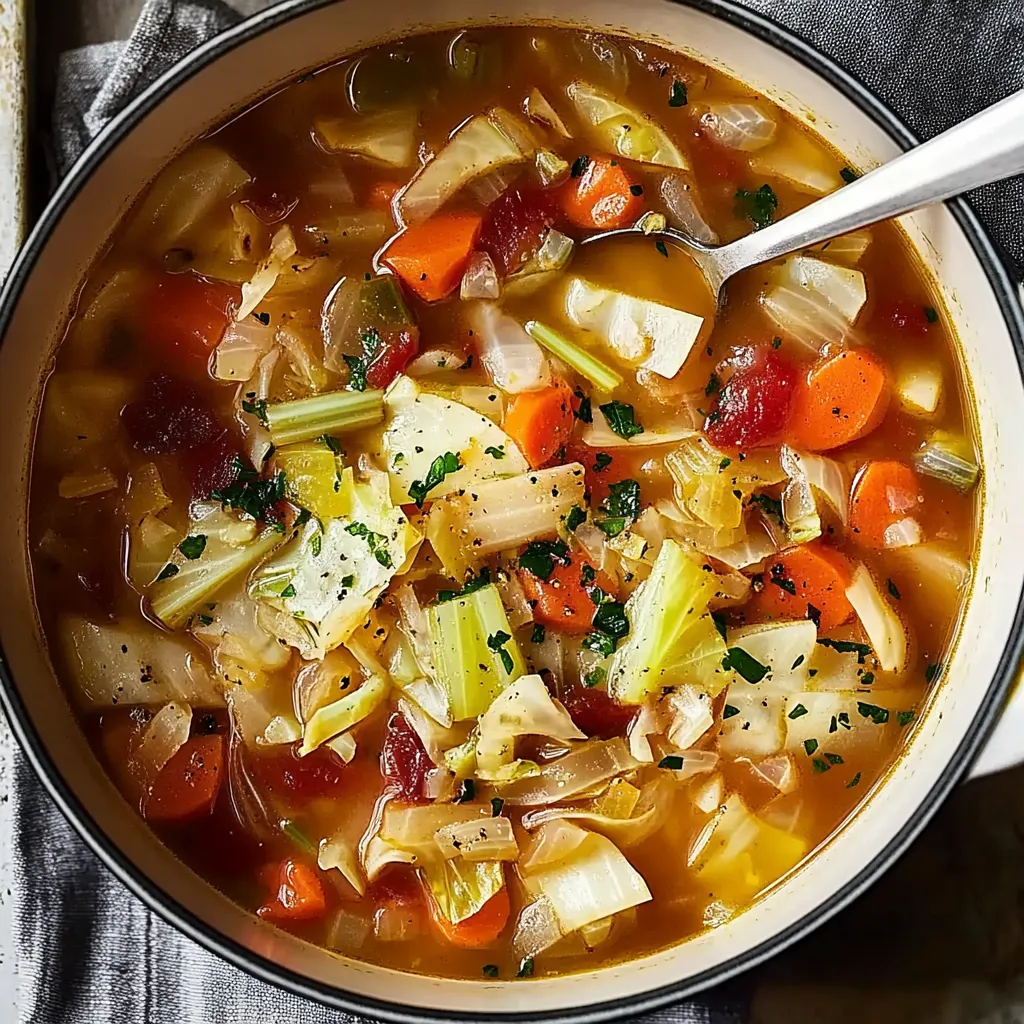
Cabbage soup gets overlooked too often in favor of fancier soups, but this humble bowl of vegetables simmered in broth has been saving my weeknights for years. The combination of tender cabbage, aromatic vegetables, tomatoes, and herbs creates something surprisingly flavorful considering how simple the ingredient list looks on paper. What makes this soup special is how the cabbage transforms during cooking - it goes from firm and slightly sharp to sweet and meltingly tender, soaking up all those herbs and that rich broth. This isn't one of those heavy, cream-based soups that leaves you feeling stuffed and sluggish afterward. Instead, it's light and nourishing while still being satisfying enough that you don't find yourself rummaging through the pantry an hour later looking for something more substantial. The whole pot comes together in about thirty minutes from start to finish, which means you can make it on a busy Tuesday night without derailing your entire evening schedule.
I started making this soup regularly about ten years ago when I was trying to eat healthier but didn't want to feel deprived or spend hours in the kitchen. That first batch was honestly just me throwing vegetables in a pot because I needed to use up a cabbage before it went bad, but the result surprised me so much that I wrote down what I'd done. Now it's one of those recipes I make without even looking at measurements anymore, and my family has stopped asking "what's for dinner?" on soup nights because they already know it'll be something warm and comforting that hits the spot.
Ingredients and What Makes Them Essential
- Green Cabbage (1 medium head, about 2 pounds, sliced): Green cabbage is ideal here because it stays tender without turning mushy and develops a natural sweetness as it cooks. Look for heads that feel heavy for their size with tightly packed, crisp leaves. Avoid any with brown spots or wilted outer leaves. Napa cabbage works too but has a more delicate texture and will break down more during cooking.
- Yellow Onion (1 large, diced): Onions form the aromatic base that gives the soup depth and a subtle sweetness. Yellow onions are perfect because they're not as sharp as white onions but more flavorful than sweet onions. Dice them into pieces about ½-inch so they cook evenly and become tender without disappearing into the soup.
- Carrots (2 medium, diced): Carrots add natural sweetness and a pop of color to the soup. They also provide substance and a slight crunch even after cooking. Peel them first, then dice into pieces roughly the same size as your onions so everything cooks at the same rate.
- Celery (2 stalks, diced): Celery contributes a subtle herbal flavor and aromatic quality that rounds out the vegetable base. Use the paler inner stalks if possible since they're more tender. Dice them to match your onions and carrots for even cooking.
- Garlic (2-3 cloves, minced): Fresh garlic adds pungent, savory depth that makes the whole soup taste more complex. Two cloves give you a mild garlic presence, but if you love garlic, don't hesitate to add a third or fourth. Mince it finely so it distributes throughout the soup.
- Diced Tomatoes (14.5-ounce can): Canned tomatoes provide acidity and body to the broth, plus they add umami that makes the soup taste richer. Regular diced tomatoes work perfectly, but fire-roasted tomatoes add a subtle smoky depth that's really nice. Don't drain the can - use all the juice.
- Vegetable Broth (4 cups): Good quality broth is the foundation of your soup's flavor. Use low-sodium broth so you can control the salt level yourself. If you want a brothier soup with more liquid, add an extra cup or two. Chicken broth works too if you're not keeping it vegetarian.
- Dried Oregano (1 teaspoon): This herb adds an earthy, slightly peppery flavor that complements the cabbage beautifully. Make sure your dried oregano is relatively fresh - if it smells like dust instead of herbs, replace it.
- Dried Basil (1 teaspoon): Basil brings a sweet, slightly minty note that brightens the whole soup. Like the oregano, check that it still smells fragrant. Dried herbs lose potency after about a year.
- Fresh Parsley (¼ cup, chopped): Fresh parsley added at the end provides a pop of color and fresh, bright flavor that lifts all the other ingredients. Don't substitute dried parsley here - it doesn't have the same impact.
- Fresh Lemon Juice (2 tablespoons): A squeeze of lemon at the end brightens all the flavors and adds acidity that makes the soup taste more vibrant and balanced. Always use fresh lemon juice, not bottled, for the best flavor.
- Olive Oil (2 tablespoons): This is for sautéing your vegetables at the start. Extra virgin olive oil has more flavor but regular olive oil works fine too.
- Salt and Black Pepper (to taste): You'll need salt throughout the cooking process to properly season the soup. Taste as you go and adjust. Freshly cracked black pepper adds the best flavor at the end.
Step-by-Step Instructions
- Prepare All Your Vegetables:
- Before you start cooking, prepare all your vegetables so they're ready to go when you need them. Remove any damaged or wilted outer leaves from your cabbage head. Cut the cabbage in half through the core, then cut each half in half again so you have quarters. Cut out the tough core from each quarter, then place each quarter flat-side down on your cutting board and slice it into strips about ½-inch wide. The strips will separate into individual pieces as you slice. You should end up with about 8 cups of sliced cabbage. Set this aside in a large bowl. Peel your onion and dice it into roughly ½-inch pieces - you don't need perfect cubes, just relatively uniform pieces. Peel your carrots and dice them into pieces about the same size as your onion. Wash your celery stalks well since dirt can hide in the ridges, then dice them to match your other vegetables. Peel and mince your garlic cloves finely. Having everything prepped and ready makes the actual cooking process smooth and stress-free.
- Start with the Aromatic Base:
- Place a large soup pot or Dutch oven over medium heat and let it warm up for about a minute. Add 2 tablespoons of olive oil and swirl it around to coat the bottom of the pot. Once the oil is shimmering and hot but not smoking, add your diced onion, carrots, and celery all at once. Give everything a good stir to coat the vegetables with oil. Let them cook for about 5 minutes, stirring occasionally. You're not trying to brown them deeply, just soften them and let them release their flavors. The onions should become translucent and soft, the carrots should lose their raw crunch slightly, and the celery should soften. After about 5 minutes of cooking, add your minced garlic, 1 teaspoon of dried oregano, and 1 teaspoon of dried basil to the pot. Stir everything together and let it cook for just 1 minute, stirring constantly. This brief cooking time for the garlic and herbs releases their aromatic oils without burning them. The whole pot should smell amazing at this point - aromatic and herbaceous.
- Add and Cook the Cabbage:
- Now add all your sliced cabbage to the pot. It will look like an enormous amount and the pot will be very full, but don't worry - cabbage wilts down dramatically as it cooks. Use a large spoon or spatula to toss the cabbage with the aromatic vegetables, mixing everything together. The cabbage might not all fit at first, but just keep stirring and pressing it down gently, and as it starts to wilt, more will fit. Once all the cabbage is in the pot and stirred into the vegetables, let it cook for about 5 minutes, stirring frequently - probably every minute or so. You want the cabbage to start softening and wilting, releasing some of its moisture. It should reduce in volume by at least half during this time. The cabbage leaves should look glossy from the oil and start to become tender when you taste a piece. Stir frequently during this stage to ensure even cooking and prevent anything from sticking to the bottom of the pot.
- Build the Soup:
- Once your cabbage has wilted down and softened, pour in your 4 cups of vegetable broth. Open your can of diced tomatoes and add the entire contents, juice and all, into the pot. Give everything a thorough stir, making sure to scrape the bottom of the pot with your spoon to release any flavorful browned bits that might have stuck. Bring the entire mixture to a gentle boil over medium-high heat - this should take about 3 to 5 minutes. Once it reaches a boil, reduce the heat to medium-low so the soup is just gently simmering. You want to see small bubbles breaking the surface occasionally, not a vigorous rolling boil. Leave the pot uncovered and let it simmer for about 10 minutes. During this time, the cabbage will continue softening and becoming very tender, and all the flavors will meld together beautifully. Stir occasionally to make sure nothing is sticking to the bottom. After 10 minutes, taste a piece of cabbage - it should be completely tender with no raw crunch remaining. If it's still a bit firm, continue simmering for another 5 minutes and check again.
- Finish and Season:
- Once your vegetables are all tender and the soup has simmered enough for the flavors to come together, remove the pot from the heat. Stir in your ¼ cup of freshly chopped parsley - save a little bit for garnish if you want. Squeeze in 2 tablespoons of fresh lemon juice and stir it through. Now taste the soup carefully - this is the crucial step where you adjust the seasoning. Add salt gradually, starting with ½ teaspoon, stirring it in, and tasting again. Keep adding salt in small increments until the soup tastes bright and flavorful, not flat or bland. You might need anywhere from ½ to 1 ½ teaspoons total depending on how salty your broth was. Add several grinds of fresh black pepper and stir it through. Taste one more time and adjust anything that seems off - more lemon juice if it needs brightness, more herbs if it tastes flat, or more salt if needed. The soup should taste vibrant and well-seasoned with all the flavors balanced. Ladle it into bowls and serve hot, garnished with a bit of extra parsley if desired.
 Pin it
My mother used to make a version of cabbage soup when I was growing up, though hers was more basic with just cabbage, onions, and broth. I remember thinking it was boring and wishing we were having something more exciting for dinner. Now as an adult trying to balance health, budget, and actually enjoying what I eat, I've come to appreciate how satisfying a simple pot of vegetable soup can be. My own kids initially had the same reaction I did as a child when I first served this, but after trying it and realizing it wasn't the bland version they expected, they've actually requested it several times. My husband, who claims he's not a soup person, will eat two bowls and then pack the leftovers for lunch the next day.
Understanding Cabbage and Its Transformation During Cooking
Raw cabbage has a firm, crunchy texture and a slightly sharp, peppery flavor that some people find off-putting. But cooking, especially the gentle simmering that happens in soup, completely transforms its character. As cabbage heats up, the cell walls begin breaking down, releasing natural sugars that were locked inside. This is why cooked cabbage tastes sweeter than raw cabbage. The sulfur compounds that give raw cabbage that sharp bite dissipate with cooking, leaving behind a mellow, almost sweet flavor. The texture softens from crunchy to tender, making it pleasant to eat even for people who dislike raw cabbage. Different types of cabbage behave slightly differently when cooked. Green cabbage holds its shape well and maintains some texture even after prolonged cooking. Savoy cabbage with its crinkled leaves is more delicate and breaks down faster. Red cabbage stays firmer and has a stronger flavor. Napa cabbage wilts quickly and becomes very soft. For soup, green cabbage is ideal because it gives you that sweet, tender result without turning mushy or falling apart.
The Importance of the Mirepoix Base
Mirepoix, the French term for the combination of onions, carrots, and celery, forms the aromatic foundation of countless soups and stews across many cuisines. This trio of vegetables isn't just filler - each one contributes something essential to building layers of flavor. Onions provide sweetness and depth as they cook, especially when given time to soften properly. Their natural sugars caramelize slightly even in soup, adding complexity. Carrots contribute earthiness and additional sweetness, plus they add color and visual appeal. Celery brings a subtle herbal quality and slight bitterness that balances the sweetness from the other vegetables. Together, these three vegetables create a flavor base that's greater than the sum of its parts. Taking the time to sauté them properly before adding liquid allows them to release their aromatic compounds and develop deeper flavor. If you just threw everything in the pot at once without this initial cooking step, your soup would taste flatter and less developed. This foundational technique appears in so many recipes because it genuinely works to build better flavor.
The Role of Acidity in Balancing Soup
Adding lemon juice at the end of cooking this soup isn't just a random suggestion - acidity plays a crucial role in making food taste balanced and vibrant. When soup tastes flat or one-dimensional even though you've added salt and herbs, the missing element is often acid. Acid brightens all the other flavors and makes them pop, helping your taste buds perceive the individual components more clearly. The tomatoes in this soup provide some acidity, but fresh lemon juice at the end adds a bright note that canned tomatoes can't match. Vinegar works similarly - you could add a splash of red wine vinegar or apple cider vinegar instead of lemon juice for a different but equally effective acidic boost. The key is adding it at the end rather than at the beginning, because prolonged cooking can dull acidic flavors. Fresh lemon juice added just before serving maintains that bright, fresh quality that lifts the entire soup. This is why restaurant soups often taste better than homemade versions - professional cooks understand the importance of that final acid adjustment and always taste and correct before serving.
Storage and Reheating for Maximum Flavor
This cabbage soup is one of those dishes that actually improves after sitting in the refrigerator overnight. As the soup rests, the cabbage continues absorbing the flavors from the broth, herbs, and tomatoes, resulting in a more deeply flavored bowl the second day. Store cooled soup in airtight containers in the refrigerator for up to five days. Glass containers work great because they don't absorb odors or stains like plastic sometimes does. When reheating, you can use either the stovetop or microwave. For stovetop reheating, pour the soup into a pot and warm it over medium heat, stirring occasionally, until heated through. This method is gentler and helps maintain the vegetables' texture. For microwave reheating, transfer a serving to a microwave-safe bowl, cover it loosely, and heat for two to three minutes, stirring halfway through. The soup might thicken slightly in the refrigerator as the vegetables release starch, so you can add a splash of broth or water when reheating if it seems too thick. For freezing, let the soup cool completely, then transfer it to freezer-safe containers or bags, leaving an inch of space at the top for expansion. Frozen soup keeps for up to three months and can be reheated directly from frozen in the microwave or thawed overnight in the refrigerator first.
Ways to Make This Soup More Substantial
While this cabbage soup is satisfying as-is, there are countless ways to make it heartier depending on your needs and preferences. Adding protein transforms it from a light vegetable soup into a complete meal. Shredded rotisserie chicken is the easiest option - just stir it in during the last few minutes of simmering to heat through. Ground beef or turkey browned separately and added to the soup creates a heartier, more filling version. For vegetarian protein, white beans, chickpeas, or lentils work beautifully - add them during the simmering stage so they heat through completely. If using dried lentils, add them with the broth and extend the cooking time by ten minutes so they soften properly. Adding carbohydrates makes the soup more stick-to-your-ribs satisfying. Diced potatoes added with the broth will become tender during the simmering time. Cooked rice or pasta stirred in at the end adds substance without requiring extra cooking. For low-carb bulk, add extra vegetables like bell peppers, zucchini, mushrooms, or leafy greens such as kale or spinach. Each of these additions changes the character of the soup slightly while maintaining that fundamental cabbage soup flavor.
Seasoning Adjustments for Different Flavor Profiles
The basic recipe uses oregano, basil, and parsley for a classic, Italian-inspired flavor profile, but cabbage is versatile enough to pair with many different seasonings. For an Eastern European version, skip the tomatoes and use caraway seeds and dill instead of the Italian herbs, finishing with a dollop of sour cream. For an Asian-inspired take, add fresh ginger with the garlic, use tamari or soy sauce instead of some of the salt, and finish with sesame oil and green onions. For a spicier version, add red pepper flakes with the herbs or stir in some hot sauce at the end. For more depth, add a bay leaf during simmering and remove it before serving. Smoked paprika adds wonderful depth without heat. A parmesan rind simmered in the soup adds umami and richness - just remove it before serving. Fresh thyme and rosemary create a more robust, savory flavor. The point is that the simple base of cabbage and vegetables works as a canvas for whatever flavor direction appeals to you. Don't feel locked into one version - experiment and find your favorite combination.
 Pin it
After years of making this soup regularly, I've realized it represents everything I value in home cooking - it's simple without being boring, healthy without tasting like a punishment, and economical without feeling like we're scraping by. The fact that I can make a pot on Sunday and have lunches ready for half the week is just a practical bonus. There's something deeply satisfying about transforming a pile of humble vegetables into something warm and nourishing that my family actually wants to eat. This isn't the kind of recipe that'll win any awards or impress dinner party guests with its complexity, but it does exactly what it's supposed to do - it feeds people well without requiring hours of work or expensive ingredients. On cold nights when everyone comes home tired and hungry, having a pot of this soup on the stove makes everything feel a bit more manageable and cozy.
Frequently Asked Questions
- → Can I freeze cabbage soup?
- Yes! This soup freezes really well for up to 3 months. Let it cool completely, then store it in freezer-safe containers. Thaw in the fridge overnight before reheating.
- → How long does cabbage soup last in the fridge?
- Store it in an airtight container in the refrigerator for 4 to 5 days. The flavors actually get better after a day or two as everything melds together.
- → Can I add meat to this cabbage soup?
- Absolutely! Cooked ground beef, turkey, or shredded chicken would all be great additions. Just stir them in during the last few minutes of cooking to heat through.
- → What type of cabbage works best?
- Green cabbage is perfect for this recipe, but you can also use savoy cabbage or even a mix of green and purple cabbage for extra color.
- → Do I have to use vegetable broth?
- Vegetable broth works great, but you can swap it for chicken broth or beef broth if you prefer. Use less broth for a thicker soup or more for a brothier consistency.
- → Can I make this soup in a slow cooker?
- Yes! Sauté the vegetables first for better flavor, then add everything to your slow cooker. Cook on low for 6-8 hours or high for 3-4 hours.