
 Pin it
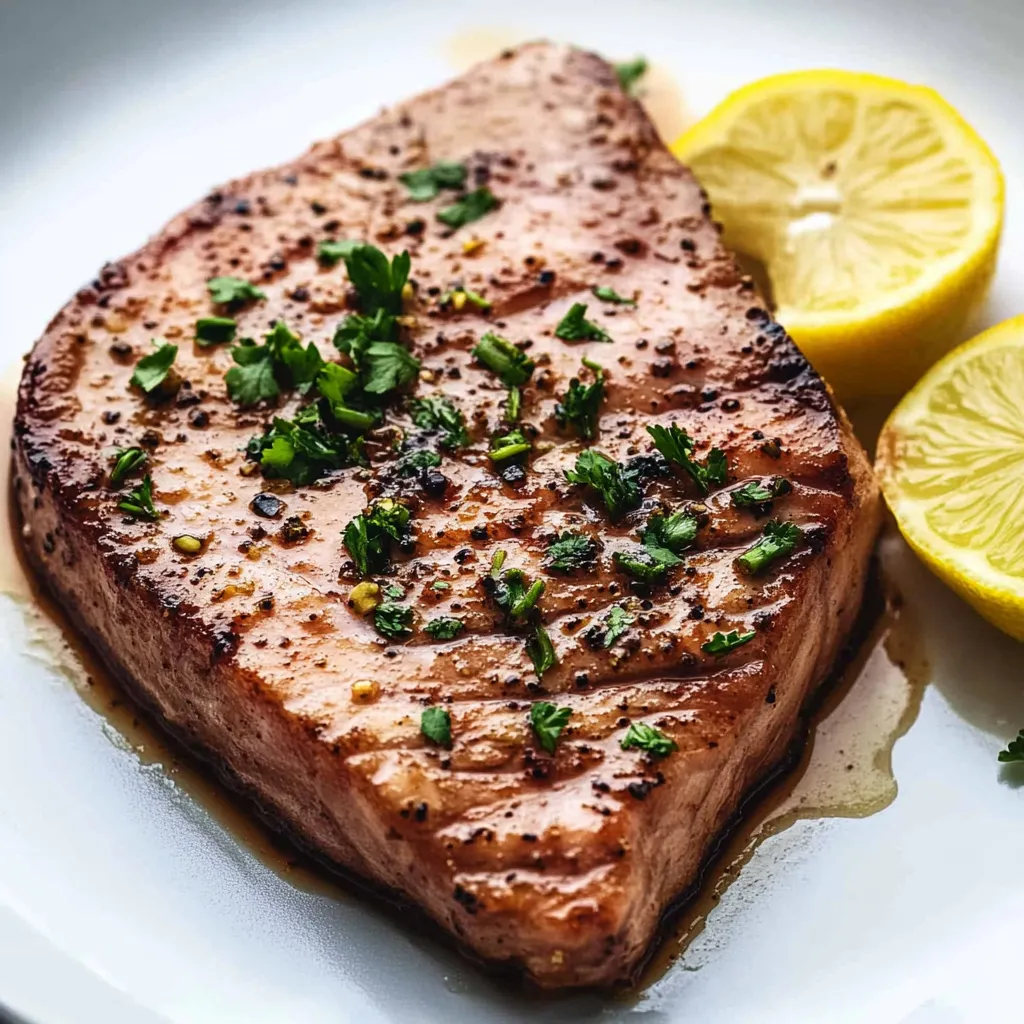
Tuna steak marinade is one of those simple preparations that transforms meaty fish into something restaurant-worthy through nothing more than olive oil, garlic, fresh herbs, lemon juice, honey, and spices mixed together and left to infuse for thirty minutes. The marinade accomplishes multiple things simultaneously - the acid from lemon tenderizes the surface, the oil creates a barrier that prevents sticking on the grill, the herbs and garlic build flavor, and the honey adds subtle sweetness that balances the char from grilling. What makes this particularly appealing is how tuna steak's dense, meaty texture holds up to bold flavors that would overwhelm more delicate fish, and how thirty minutes is the perfect marinating time - long enough to infuse flavor but not so long that the acid breaks down the texture and makes it mushy. The fact that you probably have most ingredients already and the whole thing comes together in five minutes makes this viable for weeknight cooking when you want something impressive.
I started making marinated tuna steaks about six years ago after paying too much for mediocre versions at restaurants and realizing I could do better at home. The first batch I made marinated for several hours because I thought longer was better, and the acid completely broke down the surface texture into mush. After learning that tuna only needs thirty minutes because the acid works quickly on the dense flesh, and that fresh herbs taste dramatically better than dried in this application, it became a regular rotation meal. Now I keep frozen tuna steaks on hand specifically so I can make this whenever the craving hits.
Ingredients and What Makes Them Essential
- Extra Virgin Olive Oil (¼ cup): Olive oil serves multiple purposes: carries fat-soluble flavor compounds from garlic and herbs, creates a barrier preventing sticking on the grill, and helps the marinade coat the tuna evenly. Use good quality extra virgin for best flavor.
- Fresh Garlic (4 cloves, minced): Fresh garlic provides pungent, aromatic depth. Mince it finely so it distributes throughout the marinade. You can use jarred minced garlic in a pinch, but fresh tastes better.
- Fresh Cilantro (¼ cup, chopped): Fresh cilantro adds bright, citrusy, slightly peppery notes. Use fresh, not dried, which tastes like grass clippings. If you hate cilantro, substitute more parsley.
- Fresh Parsley (¼ cup, chopped): Fresh flat-leaf parsley adds herbal brightness and fresh flavor. Again, use fresh rather than dried. Chop it finely for even distribution.
- Smoked Paprika (1 teaspoon): Smoked paprika adds subtle smokiness and warm color. Regular sweet paprika works if that's what you have, but smoked is better.
- Ground Cumin (½ teaspoon): Cumin provides earthy, warm, slightly nutty notes that complement the other flavors beautifully.
- Honey (1 tablespoon): Honey adds subtle sweetness that balances the acid and helps create caramelization during cooking. Don't skip this.
- Fresh Lemon Juice (2 tablespoons, from about ½ lemon): Fresh-squeezed lemon juice provides bright acidity that tenderizes the tuna surface and adds tang. Bottled lemon juice works in a pinch but fresh tastes better.
- Kosher Salt (½ teaspoon): Salt seasons and helps the marinade penetrate the fish.
- Black Pepper (¼ teaspoon, freshly ground): Freshly ground pepper tastes better than pre-ground.
For Cooking:
- Tuna Steaks (4, about 6 ounces each, 1 to 1½ inches thick): Look for fresh or frozen tuna steaks that are deep red/pink with no brown spots. Yellowfin is most common and works beautifully. Thaw frozen steaks in the refrigerator.
Step-by-Step Instructions
- Make the Marinade:
- In a small bowl, whisk together ¼ cup of olive oil, 4 cloves of minced garlic, ¼ cup of chopped cilantro, ¼ cup of chopped parsley, 1 teaspoon of smoked paprika, ½ teaspoon of ground cumin, 1 tablespoon of honey, 2 tablespoons of fresh lemon juice, ½ teaspoon of salt, and ¼ teaspoon of black pepper. Whisk vigorously until the honey is dissolved and everything is well combined. The marinade should look emulsified and uniform, with herbs distributed throughout.
- Marinate the Tuna:
- Place your 4 tuna steaks in a gallon-sized zip-top bag. Pour the marinade over the tuna steaks. Seal the bag, pressing out as much air as possible. Turn the bag several times to ensure all surfaces of the tuna are coated with marinade. Alternatively, you can place the tuna in a shallow dish, pour the marinade over, turn to coat, cover with plastic wrap, and marinate in the dish. Transfer the bag or dish to the refrigerator and marinate for exactly 30 minutes. Don't marinate longer than 30 minutes or the acid from the lemon juice will start breaking down the protein and making the texture mushy. Set a timer.
- Prepare to Cook:
- While the tuna marinates, prepare your cooking method. If grilling, preheat your grill to high heat (about 450-500°F) and oil the grates to prevent sticking. If pan-searing, have a large skillet ready. If broiling, preheat your broiler and position a rack about 6 inches from the element. After 30 minutes, remove the tuna from the marinade, letting excess marinade drip off. Discard the used marinade - don't reuse it as it's been in contact with raw fish.
- Cook the Tuna (Grilling Method):
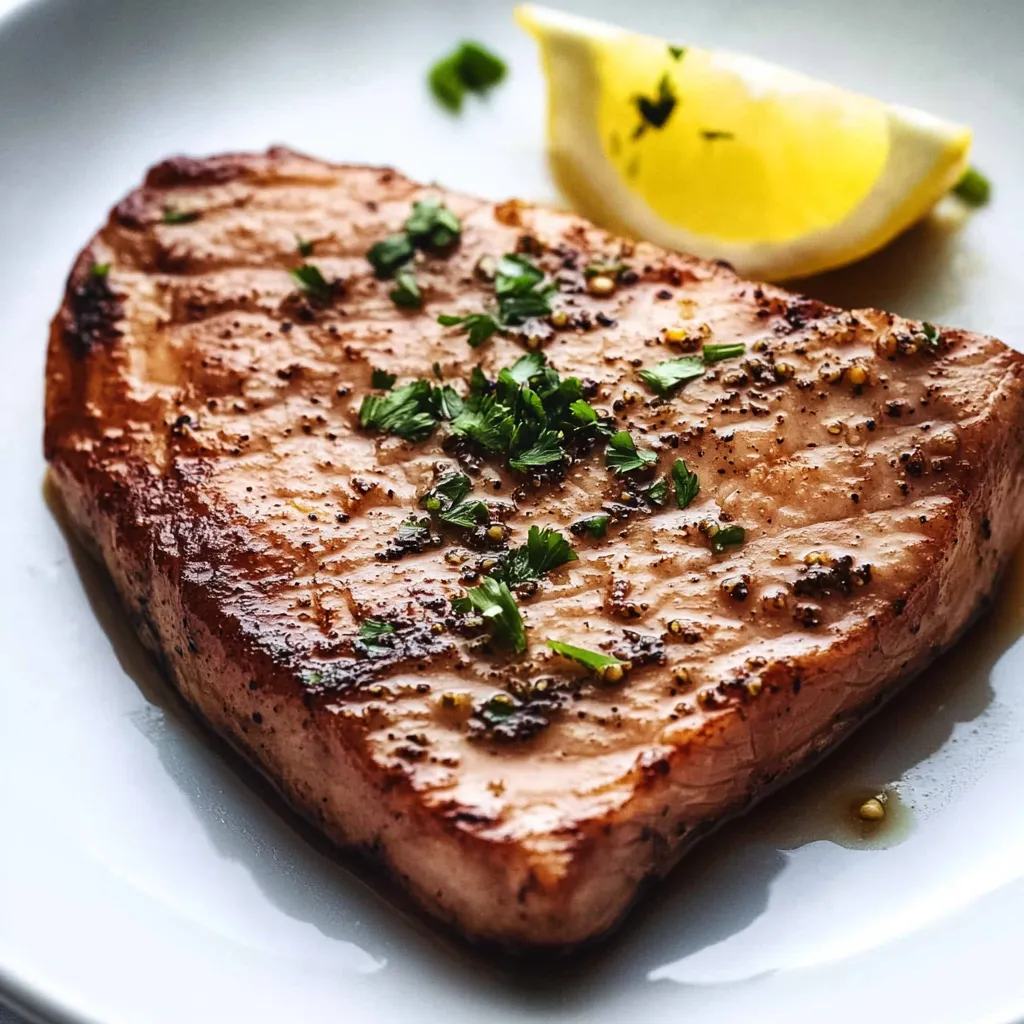
- Place the marinated tuna steaks on the preheated, oiled grill grates. Close the lid and grill for 3 to 4 minutes on the first side without moving them - you want good grill marks and a seared crust. Flip the steaks using tongs or a spatula and grill the second side for another 3 to 4 minutes. For medium-rare (recommended), cook to an internal temperature of 115-120°F, with the center still pink/red. For medium, cook to 125-130°F with just a hint of pink in the center. The outside should be seared and opaque while the center remains pink. Total cooking time is usually 6 to 8 minutes depending on thickness and desired doneness.
- Alternative Cooking Methods:
- For pan-searing, heat a large skillet over high heat. Add 1 tablespoon of oil. When the oil is shimmering and almost smoking, add the tuna steaks. Sear for 2 to 3 minutes per side for medium-rare, pressing down gently with a spatula to ensure even contact. For broiling, place tuna steaks on a broiler pan or baking sheet. Broil for 3 to 4 minutes per side, watching carefully to prevent burning.
- Rest and Serve:
- Transfer the cooked tuna steaks to a plate and let them rest for 3 to 5 minutes before serving. This allows the juices to redistribute. Serve whole or slice against the grain into thick slices to show the pink center. Garnish with fresh herbs and lemon wedges if desired.
 Pin it
My husband who claims he doesn't like fish and refuses to order it at restaurants tried grilled marinated tuna steak at a dinner party without knowing what it was. He ate the entire piece and asked what kind of meat made the "steak things" so good. When I told him it was tuna, he looked suspicious and insisted it couldn't be because he hates fish. Now he requests "the tuna that doesn't taste like fish" regularly. Converting the fish-hater through proper preparation and bold marinade feels like a genuine achievement.
Understanding Tuna's Unique Characteristics
Tuna is fundamentally different from other fish because of its physiology and how that affects cooking. Tuna are highly active, warm-blooded fish (unlike most fish which are cold-blooded) that swim constantly. This creates dense, meaty flesh with high myoglobin content (the protein that makes meat red). Fresh tuna steak looks and acts more like beef than typical fish - it's deep red/pink, firm, and can be eaten at various levels of doneness. The dense texture means tuna can handle bold marinades that would overwhelm delicate fish like sole or cod. It also means tuna benefits from high-heat, quick cooking similar to steak. Overcooking transforms tuna from tender and moist to dry and chalky, which is why medium-rare to medium is ideal. The high myoglobin content also means cooked tuna remains pink in the center even when safe to eat, unlike white fish that must be opaque throughout.
The Science of Marinating Time
The thirty-minute marinating time is specific and important, not arbitrary. Marinades work through several mechanisms: acid (lemon juice) begins denaturing proteins on the surface, which tenderizes but can also make texture mushy if overdone. Oil carries fat-soluble flavor compounds from garlic, herbs, and spices into the fish. Salt helps the fish retain moisture through osmosis and seasons throughout. For dense, meaty tuna, thirty minutes allows flavors to penetrate the surface while the acid tenderizes the outer layer. Longer marinating continues the acid's protein breakdown, eventually creating mushy, unpleasant texture. This is different from chicken or pork which can marinate for hours because they have different protein structures. Fish protein is more delicate and denatures more quickly. If you need to prep ahead, make the marinade and refrigerate it separately, then add tuna only 30 minutes before cooking.
Why Fresh Herbs Matter
The recipe specifically calls for fresh cilantro and parsley rather than dried, and this distinction is crucial. Dried herbs have concentrated flavor because moisture is removed, but they also lose volatile aromatic compounds that evaporate during drying. Fresh herbs contain aromatic oils and compounds that taste bright, green, and fresh. Dried cilantro and parsley in particular become almost tasteless and dusty - they're among the worst herbs for drying. The fresh herbs in this marinade provide essential brightness and complexity that you literally cannot achieve with dried versions. If you hate cilantro (about 10% of people have a genetic variant that makes it taste like soap), just use more parsley or add fresh basil instead. But don't substitute dried herbs thinking you'll get the same results - you won't.
Achieving Perfect Doneness
Cooking tuna to proper doneness requires understanding that it's best served medium-rare to medium, not well-done like chicken or pork. Medium-rare tuna (115-120°F internal temperature) has a seared exterior with a warm, pink/red center. It's tender, moist, and full of flavor. Medium tuna (125-130°F) has a slightly larger cooked exterior with just a hint of pink in the very center. Well-done tuna (above 140°F) becomes dry, gray, chalky, and loses most of its appeal - it's not unsafe, just unpleasant. The dense texture that makes tuna meat-like also means it dries out quickly when overcooked because there's minimal fat to keep it moist. An instant-read thermometer is invaluable for checking doneness without cutting into the fish. Insert it horizontally into the thickest part from the side. The tuna will continue cooking slightly from residual heat after you remove it from the grill, so pull it about 5 degrees before your target temperature.
Storage, Reheating, and Make-Ahead
Fresh tuna steaks should be cooked within 1 to 2 days of purchase or thawing. Store raw tuna in the coldest part of your refrigerator (usually the back of the bottom shelf) wrapped tightly. If buying frozen, keep frozen until ready to use - tuna can be stored frozen for up to 3 months. Thaw in the refrigerator, never at room temperature. The marinade can be made up to 2 days ahead and stored in the refrigerator, but only add tuna 30 minutes before cooking. Leftover cooked tuna can be refrigerated for up to 3 days. However, tuna doesn't reheat well - the texture becomes dry and tough. Instead, use leftover tuna cold or at room temperature - slice it over salads, make tuna sandwiches, add to pasta, or serve with rice. The marinade recipe makes enough for 4 steaks - if cooking more or fewer, scale proportionally.
Variations and Different Flavor Profiles
While this garlic-herb marinade is excellent, you can create variations using the same basic technique. For Asian-inspired, use soy sauce, ginger, sesame oil, and rice vinegar. For Mediterranean, use olive oil, lemon, oregano, and sun-dried tomatoes. For spicy version, add sriracha or red pepper flakes. For Cajun, use Cajun seasoning, garlic, and butter. For teriyaki, use soy sauce, mirin, ginger, and brown sugar. For citrus-herb, use lime juice, mint, and basil instead of lemon and cilantro. For balsamic, use balsamic vinegar, rosemary, and garlic. Each variation should maintain the 30-minute marinating time and the balance of acid, oil, and aromatics. The key is not marinating too long regardless of flavor profile.
Serving Suggestions and Complete Meals
Marinated tuna steak works beautifully in various meal contexts. Serve it simply with roasted vegetables and rice for a complete, healthy dinner. Slice it over mixed greens with avocado and tomatoes for a substantial salad. Serve with noodles and stir-fried vegetables for Asian-inspired presentation. Pair with quinoa and roasted broccoli for a grain bowl. Make tacos with cabbage slaw and avocado. Serve with mashed potatoes and green beans for a surf-and-turf experience. For sides, try roasted asparagus, sautéed spinach, roasted Brussels sprouts, or cauliflower rice. For lighter accompaniments, serve with cucumber salad, mixed greens, or grilled vegetables. For wine pairing, try Pinot Noir or Sauvignon Blanc. Calculate about 6 ounces of raw tuna per person for main course servings.
Troubleshooting Common Problems
When marinated tuna doesn't turn out right, there's usually a fixable cause. If the texture is mushy, you marinated too long or the tuna wasn't fresh - marinate for exactly 30 minutes and buy fresh tuna. If it's dry and tough, you overcooked it - cook to medium-rare and use a thermometer. If it sticks to the grill, you didn't oil the grates or the grill wasn't hot enough - oil grates well and preheat fully. If it tastes bland, you didn't use enough marinade or fresh herbs - use fresh herbs and ensure tuna is fully coated. If the center is cold, you cooked too quickly over too-high heat - reduce heat slightly and cook longer. If it has no sear, the heat was too low - use high heat for proper crust. Most issues relate to marinating time, cooking temperature, or doneness.
 Pin it
After making marinated tuna steaks probably a hundred times over the past six years, they've become one of my most reliable weeknight impressive dinners because they taste restaurant-quality while requiring minimal actual skill or time. I appreciate how tuna's meaty texture makes it satisfying in ways that typical fish isn't, and how the bold marinade creates complexity without requiring exotic ingredients. The quick marinating time means I can decide to make this at 5pm and be eating by 6pm. Knowing the simple secrets - exactly 30 minutes, fresh herbs, high heat, don't overcook - transforms something that could be tricky into something genuinely foolproof. This represents exactly what weeknight cooking should be - healthy enough to feel virtuous, delicious enough that nobody thinks about nutrition, impressive enough for company, and practical enough to make regularly without stress or significant time investment.
Frequently Asked Questions
- → How long should I marinate tuna steaks?
- Marinate your tuna for 30 minutes in the fridge. Don't go longer than an hour or the lemon juice will make the fish mushy.
- → Can I cook the tuna in a pan instead of grilling?
- Yes, you can sear the tuna in a hot skillet over medium-high heat. Cook for 6-8 minutes per side just like you would on the grill.
- → What temperature should tuna be when it's done?
- Aim for an internal temperature of 90-95 degrees. The center should still be slightly pink for the best texture and flavor.
- → Can I make this marinade ahead of time?
- Sure, mix the marinade up to a day ahead and keep it in the fridge. Just give it a good stir before pouring it over your tuna.
- → Do I need to flip the tuna while it marinates?
- Not necessary if you're using a bag. Just massage the bag a bit to coat the steaks evenly, then let them sit in the fridge.
- → What sides go well with marinated tuna steaks?
- Try serving with rice, roasted vegetables, a fresh green salad, or grilled asparagus. Keeps the meal light and healthy.