
 Pin it
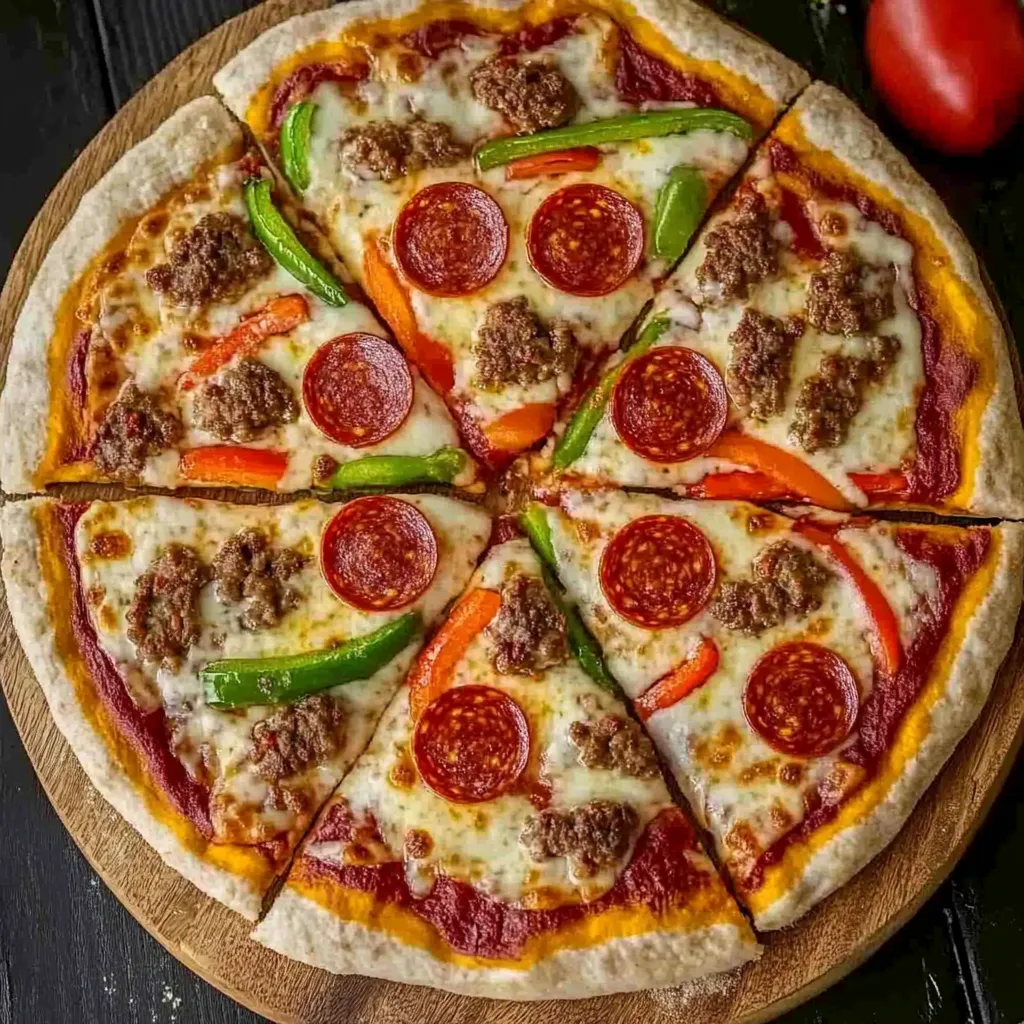
This Blackstone pizza delivers restaurant-quality results through the intense, even heat of a flat-top griddle that creates perfectly crispy crusts with soft, chewy interiors. Pre-made pizza crusts get brushed with olive oil before being topped with sauce, cheese, and whatever ingredients you like, then the entire pizza cooks directly on the hot griddle surface under a dome until the bottom is golden and the cheese melts beautifully. Cooking the toppings first on the griddle—browning sausage, sautéing vegetables, warming pepperoni—ensures everything is properly cooked and flavorful before going on the pizza. This method makes pizza night easy and fun, producing results that rival delivery or restaurant pizza while letting everyone customize their toppings.
I started making pizza on my Blackstone after my kids requested it constantly and I was tired of ordering delivery that arrived lukewarm with soggy crusts. The first time I tried it, I was genuinely amazed by how much the intense griddle heat transformed the crust—crispy and golden on the bottom, soft and chewy inside, exactly like pizzeria pizza. Now we make Blackstone pizza weekly because my family loves it so much, and it's become one of those meals everyone looks forward to. The fact that I can cook the toppings right there on the griddle while the pizzas cook makes the whole process streamlined and fun rather than stressful. Watching the cheese melt and bubble under the dome while the crust crisps perfectly never gets old.
Ingredients and What Makes Them Essential
- Pre-made 12-inch pizza crusts (2 to 4, depending on servings): Ready-made crusts from the refrigerated section or bakery eliminate the time and skill required for making dough while providing consistent results. Look for crusts that are par-baked but not fully cooked, which allows them to crisp up beautifully on the griddle without burning. Boboli-style crusts work well, as do fresh dough balls from the bakery section that you roll out yourself. Naan bread or flatbreads make excellent quick alternatives. Homemade pizza dough is wonderful if you have time and inclination, but pre-made crusts make this practical for busy weeknights.
- Pizza sauce (1 cup): Quality pizza sauce provides the essential tomato base and Italian seasoning that defines pizza flavor. Use your favorite jarred sauce for convenience, or make homemade for superior taste. The sauce should be thick rather than watery to prevent soggy crusts. Don't overload the pizza with sauce—a thin, even layer is all you need since too much creates sogginess and prevents proper crisping. About ¼ cup per pizza is ideal.
- Mozzarella cheese (2 cups, shredded): Fresh mozzarella cheese melts beautifully and creates that characteristic stretchy, gooey texture everyone loves. Shredding block mozzarella yourself produces better melting and flavor than pre-shredded, which contains anti-caking agents that prevent smooth melting. Low-moisture mozzarella is ideal for pizza because it doesn't release excess water that would make the crust soggy. Whole milk mozzarella provides the best flavor and texture. Use about ½ cup per pizza.
- Italian sausage (½ pound, casings removed): Italian sausage adds savory, fennel-spiced flavor and satisfying meatiness. Sweet or spicy sausage both work depending on preference. Remove the casings and break the meat into small crumbles so it cooks quickly and distributes evenly across the pizza. Browning it on the griddle before adding to pizza ensures it's fully cooked and develops flavorful caramelization. Ground beef, turkey sausage, or plant-based alternatives can substitute.
- Pepperoni (1 cup, sliced): Classic pepperoni provides salty, slightly spicy flavor and appealing visual interest with its distinctive red color and round shape. Warming the pepperoni briefly on the griddle before adding to pizza helps render some fat and develops flavor while preventing it from being cold. Use regular or turkey pepperoni depending on preference. The amount is adjustable—use more or less based on how much meat you want.
- Red onion (½ medium, diced): Red onions add sweet-sharp flavor and visual appeal with their purple color. Dicing them small and sautéing on the griddle until tender and slightly caramelized mellows their raw harshness while developing sweetness. Red onions are prettier than yellow onions on pizza, though either works. The sautéing step is important—raw onions on pizza never fully cook and taste sharp and unpleasant.
- Bell peppers (1 medium, diced): Bell peppers provide sweet, vegetal flavor and colorful appeal. Any color works—red, yellow, orange, or green—though red is sweetest and most visually appealing. Dice into small, uniform pieces and sauté until tender and slightly charred before adding to pizza. This pre-cooking ensures they're fully tender rather than crunchy and raw. The brief cooking also concentrates their sweetness.
- Olive oil (for brushing crust): Brushing the crust with olive oil before adding toppings serves multiple purposes—it prevents the sauce from soaking into the crust and making it soggy, adds richness and flavor, and helps the bottom crisp up beautifully. Use good quality extra virgin olive oil for best flavor. The thin oil coating also prevents the crust from sticking to the griddle surface.
Step-by-Step Instructions
- Preheat the griddle properly:
- Turn your Blackstone griddle to medium-high heat and let it preheat for at least 10 to 15 minutes until it reaches approximately 350°F to 375°F. You want the surface genuinely hot before starting—test by flicking a few drops of water on it, which should sizzle and evaporate immediately. If you have a Blackstone pizza oven attachment, preheat that according to manufacturer directions. Proper preheating is crucial for achieving crispy crusts without burning. While the griddle heats, prepare your toppings so everything is ready when you need it.
- Cook the sausage completely:
- Add the Italian sausage to one section of the hot griddle, breaking it into small crumbles with a spatula. Cook for about 5 to 6 minutes, stirring and breaking up any large chunks, until the meat is completely browned with no pink remaining. The sausage should develop golden-brown caramelization on some pieces, which adds incredible flavor. Use a slotted spatula to transfer the cooked sausage to a plate, leaving behind excess grease on the griddle. Wipe away most of the grease with paper towels if there's a lot—some is fine and adds flavor, but pooling grease would make the pizza greasy.
- Sauté the vegetables until tender:
- Add the diced onion and bell peppers to the griddle where you cooked the sausage. Spread them in a relatively even layer and let them cook without stirring for about 2 minutes so they can develop some char. Then stir and continue cooking for another 3 to 4 minutes until they're tender and slightly caramelized with some charred spots. The vegetables should soften completely and develop sweetness from caramelization. Transfer them to the plate with the sausage. Warm the pepperoni slices briefly on the griddle—just 30 seconds per side to slightly crisp them and render a bit of fat—then add them to the plate.
- Prepare the pizza crusts:
- If your griddle has cooled slightly from cooking the toppings, increase the heat briefly to bring it back to 350°F to 375°F. While it heats, prepare your pizzas. Place each pre-made crust on a clean work surface or large cutting board. Brush the top of each crust lightly with olive oil, which creates a barrier preventing sauce from soaking in. Spread about ¼ cup of pizza sauce evenly over each crust using the back of a spoon, leaving about a half-inch border around the edges for the crust. Don't overload with sauce or the crust will be soggy.
- Add cheese and toppings strategically:
- Sprinkle about ½ cup of shredded mozzarella evenly over the sauce on each pizza. Don't pile it all in the center—distribute it edge to edge over the sauce for even coverage. Add your cooked sausage, sautéed vegetables, and warmed pepperoni in whatever amounts and combinations you prefer, distributing them relatively evenly across each pizza. If making multiple pizzas with different toppings, this is when you customize each one. Don't overload with toppings or the crust won't support the weight and the pizza will be difficult to cook properly.
- Cook on the griddle under a dome:
- Carefully slide each prepared pizza directly onto your preheated griddle surface—work confidently and quickly to prevent the crust from folding or toppings from sliding off. If you have a dome or basting cover, place it over the pizza immediately to trap heat and create an oven-like environment that melts the cheese while the bottom crisps. If you don't have a dome, use a large metal bowl or aluminum roasting pan turned upside down. Cook for 6 to 12 minutes depending on your griddle's heat and the thickness of your crust. Check the bottom after 6 minutes by lifting an edge with a spatula—it should be golden brown and crispy. The cheese on top should be completely melted and slightly bubbly.
- Remove and rest before serving:
- Once the bottom is golden brown and the cheese is melted, use a large spatula or pizza peel to carefully transfer the pizza from the griddle to a cutting board. Let it rest for 2 to 3 minutes before cutting, which allows the cheese to set slightly so it doesn't all slide off when you cut. The brief rest also brings the temperature down from scalding to enjoyably hot. Cut into slices using a pizza cutter or sharp knife and serve immediately while hot. The contrast of crispy crust with melted cheese and flavorful toppings is incredibly satisfying.
 Pin it
The technique that improved my Blackstone pizza most dramatically was learning to actually preheat the griddle thoroughly for the full 10 to 15 minutes rather than just turning it on and starting immediately. My early attempts produced crusts that stuck to the surface and didn't crisp properly because the griddle wasn't hot enough. Once I learned to be patient with preheating and verify the surface was genuinely hot before sliding on the pizza, my results transformed completely. The crusts released easily, developed beautiful golden-brown color, and had that perfect crispy-chewy texture that makes restaurant pizza so appealing. Now I'm disciplined about preheating even when I'm hungry and want to rush, because I know it's what makes the difference between mediocre pizza and genuinely excellent pizza that rivals delivery.
Understanding Blackstone Pizza Success
Cooking pizza on a Blackstone griddle rather than in a home oven produces superior results because the flat-top provides intense, even heat from below that home ovens can't match. The thick steel cooking surface retains tremendous heat and transfers it directly and aggressively to the pizza crust, creating that crispy, golden-brown bottom that's characteristic of restaurant pizza. Home ovens struggle to achieve this because they heat from all sides rather than providing focused bottom heat, and most don't get hot enough to properly crisp pizza crust quickly.
The dome or cover is essential for success because it traps heat above the pizza and creates an oven-like environment where hot air circulates around the toppings. Without a cover, the intense bottom heat would burn the crust before the cheese melted, leaving you with charred bottom and cold, unmelted cheese on top. The dome allows the top and bottom to cook simultaneously at appropriate rates. If you don't have a proper dome, improvising with large metal bowls or roasting pans works perfectly well—anything that traps heat works.
Temperature control is crucial and slightly tricky on griddles compared to ovens where you just set a specific temperature. Most Blackstones don't have precise temperature readouts, so you're working by feel and observation. Medium-high heat around 350°F to 375°F is ideal—hot enough to crisp the crust quickly but not so hot it burns before the cheese melts. If your first pizza burns on the bottom before the top is done, reduce heat for subsequent pizzas. If the bottom barely browns while the cheese melts, increase heat. Finding your griddle's sweet spot takes one or two pizzas but then becomes intuitive.
Pre-Cooking Toppings Strategy
One of the key differences between successful Blackstone pizza and disappointing versions is properly cooking toppings before they go on the pizza. Raw meat or vegetables placed directly on pizza don't cook properly during the brief time the pizza spends on the griddle—meat stays pink and vegetables remain crunchy and harsh-tasting. The pre-cooking step ensures everything is fully cooked, properly seasoned, and has developed flavor through browning before assembly.
Browning sausage until it's golden and caramelized creates the Maillard reaction that develops complex, savory flavors that raw meat completely lacks. The caramelization adds depth that makes the meat taste restaurant-quality rather than bland and boring. Breaking it into small crumbles ensures it cooks quickly and evenly while creating pieces that distribute well across the pizza. The same principle applies to vegetables—sautéing them until tender and slightly charred develops sweetness and removes raw harshness while ensuring they're pleasant to eat.
Even pre-cooked items like pepperoni benefit from brief warming on the griddle. Heating pepperoni renders some of its fat, makes it slightly crispy around the edges, and intensifies its flavor. Cold pepperoni straight from the package placed on hot pizza can cool down the cheese and prevent even melting. Taking the extra few minutes to properly prepare all your toppings is what separates excellent Blackstone pizza from mediocre versions that taste like assembled ingredients rather than cohesive, delicious pizza.
Crust Selection and Alternatives
While pre-made crusts from the store offer ultimate convenience and consistent results, understanding the options helps you choose what works best for your situation. Refrigerated pizza dough in tubes or bags requires rolling out but provides fresh-baked taste that's superior to shelf-stable crusts. These doughs are often found near biscuits and crescent rolls. Let them come to room temperature before rolling for easier handling. Roll into roughly 12-inch rounds, brush with olive oil, and proceed with the recipe.
Bakery pizza dough—either from your grocery store's bakery or from local pizzerias that sell dough—offers the best quality and taste while still being convenient. Many pizzerias sell dough balls for just a few dollars, and bakeries often carry fresh pizza dough. This fresh dough produces results closest to restaurant pizza. Let it come to room temperature, roll or stretch it to desired size, and use immediately. The fresh dough may require slightly longer cooking time than pre-baked crusts.
Alternative bases like naan bread, flatbreads, pita, or even tortillas create quick individual pizzas with unique textures. Naan makes particularly good pizza base with its soft, pillowy texture and slight char. These alternatives cook even faster than regular pizza crusts—usually 4 to 6 minutes—so watch carefully. They're perfect for kids' individual pizzas where everyone wants different toppings. English muffins or bagels split in half make fun personal pizzas that cook in just a few minutes.
Customization and Creative Toppings
The beauty of homemade pizza is complete control over toppings, allowing you to create exactly what you want rather than settling for limited restaurant options. Classic combinations like margherita (fresh mozzarella, tomatoes, basil), meat lovers (sausage, pepperoni, bacon, ham), or Hawaiian (ham, pineapple) all work beautifully on the Blackstone. BBQ chicken pizza uses BBQ sauce instead of red sauce with grilled chicken, red onions, and cilantro. Buffalo chicken pizza combines buffalo sauce with cooked chicken, blue cheese, and ranch drizzle.
Vegetarian pizzas showcase whatever vegetables you have—mushrooms, zucchini, eggplant, artichoke hearts, sun-dried tomatoes, olives, spinach, or arugula all work well when properly prepared. Breakfast pizza uses scrambled eggs, bacon or sausage, cheese, and perhaps hash browns or diced potatoes. Dessert pizza with Nutella, fresh fruit, and powdered sugar makes fun treats. The possibilities are truly endless.
White pizzas without red sauce use olive oil, garlic, and cheese as the base—add ricotta, spinach, and mushrooms for a classic white pizza, or go with garlic, herbs, and multiple cheeses for extreme richness. Pesto pizza uses basil pesto instead of red sauce with chicken, tomatoes, and mozzarella. These variations keep pizza night interesting even when you're making it weekly.
 Pin it
This Blackstone pizza has completely transformed pizza night at my house because the results are so dramatically better than delivery or frozen pizza while being surprisingly easy to make. The intense griddle heat creates crispy crusts that rival wood-fired ovens, and cooking everything outdoors keeps my kitchen clean while making the whole process feel like an event rather than just another dinner. I love that my kids are excited about pizza night knowing we're making it on the Blackstone, and the ability to customize toppings means everyone gets exactly what they want. The fact that we can cook multiple pizzas simultaneously on the large griddle surface makes it practical for feeding our whole family without anyone waiting while others eat. Once you taste how the Blackstone's intense heat transforms pizza crust and how much better fresh toppings you've cooked yourself taste compared to delivery, you'll understand why this has become our weekly tradition and why we've made hundreds of pizzas this way without ever getting tired of it.
Frequently Asked Questions
- → What temperature should I set my Blackstone griddle for pizza?
- Heat your griddle to medium-high, around 350°F. This temperature gives you a crispy bottom without burning the crust.
- → Can I use homemade pizza dough instead of store-bought?
- Absolutely! Homemade dough works great. Just roll it out to about 12 inches and follow the same cooking steps.
- → How do I know when the pizza is done?
- Check the bottom of the crust - it should be golden brown. The cheese on top should be fully melted and bubbly.
- → Do I need a pizza stone for the Blackstone?
- No, you can cook directly on the griddle surface. A pizza stone is only needed if you're cooking frozen pizza.
- → Can I make this pizza ahead of time?
- You can prep your toppings ahead, but cook the pizza fresh for the best crispy texture. Assemble right before cooking.
- → What's the best way to transfer pizza to the griddle?
- Use a large cutting board or pizza peel. Assemble the pizza on it, then slide it directly onto the hot griddle.
- → How long does it take to cook pizza on a Blackstone?
- About 6 to 12 minutes with the lid on. Time varies based on how hot your griddle is and how thick your toppings are.