
 Pin it
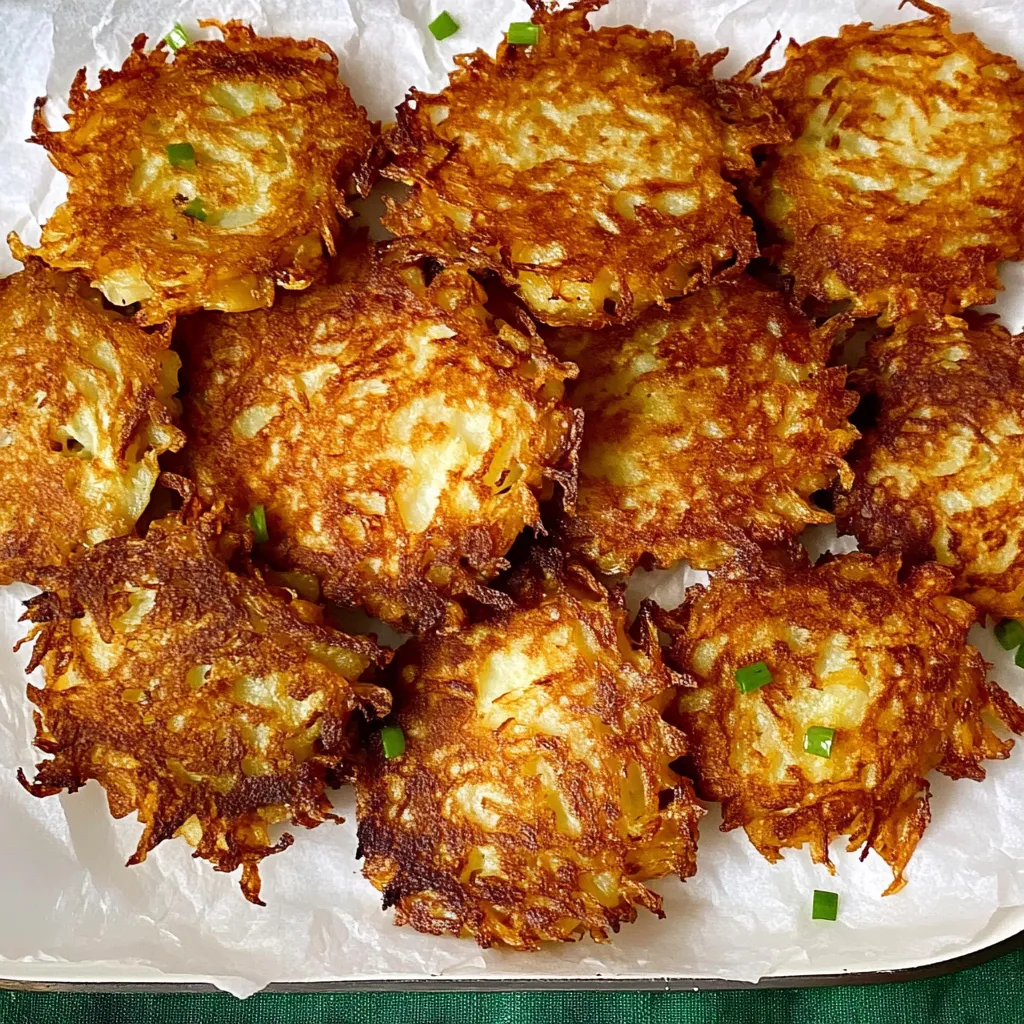
Classic potato latkes are one of those deceptively simple dishes - shredded potatoes and onions mixed with egg and matzo meal, formed into patties, then fried in hot oil until golden and crispy - that require understanding specific techniques to achieve that signature texture where the exterior shatters when you bite into it, revealing creamy, potato-packed interior. The key challenges are removing enough moisture from the shredded potatoes so they crisp instead of steam, using the right type of potato for proper starch content, and maintaining oil temperature high enough that the latkes fry rather than absorb grease. What makes this particularly important is how latkes are central to Hanukkah celebrations, where the oil symbolizes the miracle of the oil lasting eight days in the Temple of Jerusalem, and how even small technique changes yield dramatically different results from lacy and flat to thick and gummy.
I started making latkes about fifteen years ago and initially failed repeatedly because I didn't understand that inadequate moisture removal creates soggy latkes that absorb oil, and that oil temperature dropping below 350°F means the latkes steam instead of fry. After learning that squeezing the shredded potatoes and onions through cheesecloth removes far more liquid than pressing in a towel, and that frying in cast iron maintains consistent temperature better than thin pans, they became reliably crispy. Now I make them every Hanukkah and they're one of those foods where understanding the science behind the technique makes the difference between good and exceptional.
Ingredients and What Makes Them Essential
- Russet Potatoes (2 pounds, about 4 large): Russet potatoes, also called baking potatoes or Idaho potatoes, are essential because they're high in starch and low in moisture. This combination creates crispy exteriors and fluffy interiors. Don't substitute waxy potatoes like red or Yukon Gold which contain too much moisture and create gummy latkes.
- Yellow Onion (1 medium): Yellow onion adds savory flavor and moisture that helps bind the latkes. Shred it with the potatoes so it distributes evenly throughout.
- Large Egg (1): Egg acts as a binder, helping the shredded potatoes and onions hold together during frying. Without it, the latkes would fall apart.
- Matzo Meal (3 tablespoons): Matzo meal is coarsely ground unleavened bread that absorbs moisture while maintaining texture. It's traditional for latkes and creates better texture than regular breadcrumbs. You can substitute dried breadcrumbs if necessary, but matzo meal is preferred.
- Kosher Salt (1½ teaspoons): Salt seasons the potatoes thoroughly. Don't reduce - potatoes need generous seasoning.
- Black Pepper (½ teaspoon, freshly ground): Pepper adds subtle heat and depth.
- Neutral Oil for Frying (about 1 cup, or as needed): Use a neutral, high-smoke-point oil like canola, vegetable, or peanut oil for frying. The oil is symbolically important for Hanukkah, representing the miracle of the oil. You need enough oil to come about ¼ inch up the sides of the latkes.
Optional but Traditional:
- Chicken Schmaltz (rendered chicken fat, ½ cup mixed with ½ cup oil): Schmaltz adds rich, savory flavor. Use half schmaltz and half oil for traditional flavor. If keeping kosher parve, use all oil.
Step-by-Step Instructions
- Prepare Your Setup:
- Preheat your oven to 200°F and place a wire cooling rack inside a rimmed baking sheet - this is for keeping finished latkes warm while you fry the rest. Line another baking sheet or large plate with several layers of paper towels for draining latkes immediately after frying. Have everything ready before you start because once you begin frying, you can't stop.
- Shred Potatoes and Onions:
- Peel 2 pounds of russet potatoes and cut them in half crosswise (this keeps the shreds a manageable length). Fit your food processor with the large shredding disc. Shred the potatoes, then shred the onion. Transfer everything to a large bowl. If you don't have a food processor, use the large holes on a box grater - it just requires more effort.
- Squeeze Out Moisture:
- This is the most critical step. Transfer the shredded potato and onion mixture to the center of a large piece of cheesecloth or a thin tea towel. Gather the corners and twist tightly to form a bundle. Squeeze as hard as you can over the bowl (or sink) to extract as much liquid as possible. You want to remove a shocking amount of liquid - at least ½ cup. For extra leverage, tie the cheesecloth around a wooden spoon handle and twist. The mixture should feel almost dry when you're done. Transfer the squeezed potato-onion mixture to a clean bowl.
- Reserve the Potato Starch:
- Let the liquid you squeezed out sit undisturbed for about 5 minutes. The potato starch will settle to the bottom as a white layer while watery liquid sits on top. Carefully pour off and discard the watery liquid, leaving just the thick white starch at the bottom. This starch is pure potato starch and will help bind the latkes while contributing to crispy texture.
- Mix the Batter:
- Add the reserved potato starch, 1 egg, 3 tablespoons of matzo meal, 1½ teaspoons of salt, and ½ teaspoon of black pepper to the squeezed potato and onion mixture. Use your hands to mix everything together thoroughly, working the ingredients through the shredded potatoes until evenly distributed. The potato starch is slippery and wants to clump, so make sure to incorporate it completely. Let the mixture sit for about 5 minutes - this allows the matzo meal to absorb any remaining moisture.
- Heat the Oil:
- Place a large cast iron skillet (or heavy-bottomed pan) over medium-high heat. Add oil (or half oil, half schmaltz if using) to a depth of about ¼ inch - you need enough that the latkes are submerged about halfway. Heat until the oil reaches about 350-375°F. To test without a thermometer, drop a small bit of potato mixture into the oil - it should sizzle immediately and vigorously. If it doesn't sizzle, the oil isn't hot enough. If it smokes, reduce heat slightly.
- Form and Fry Latkes:
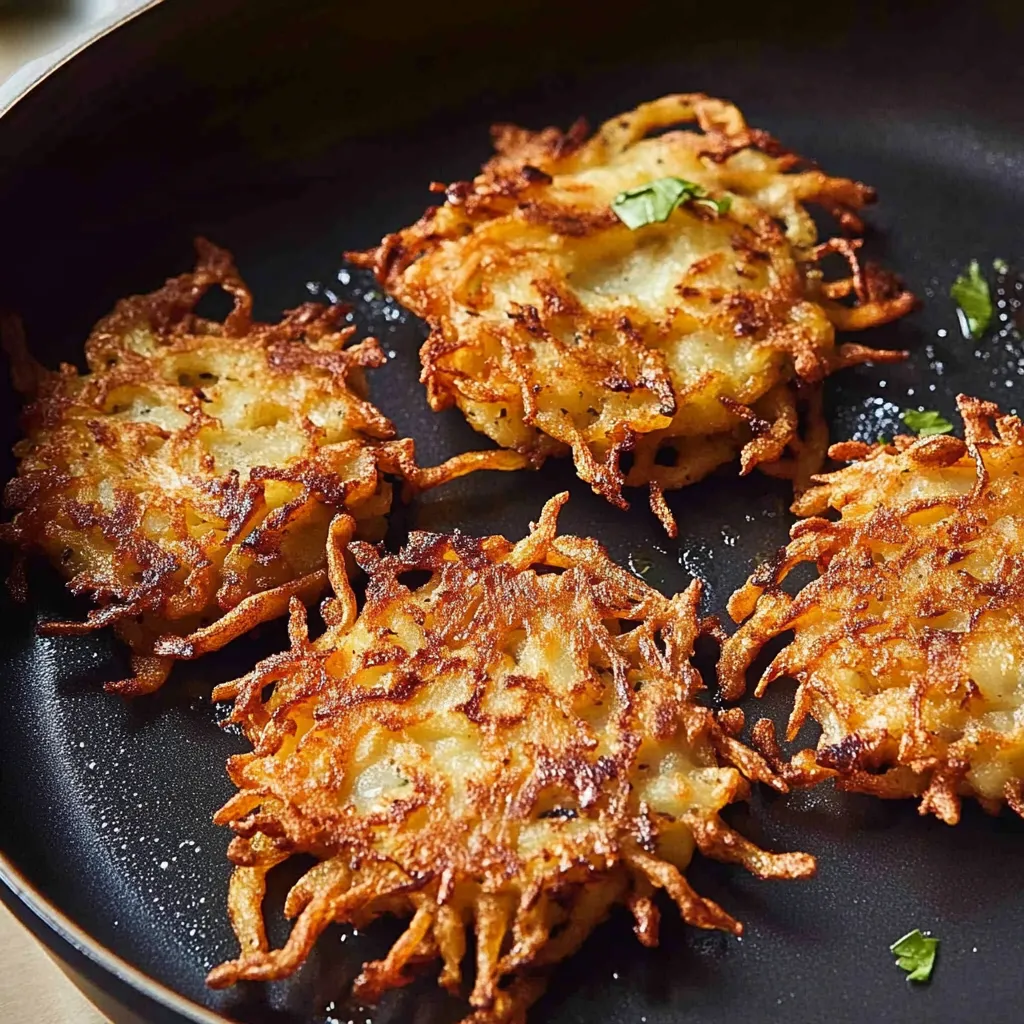
- Using a ¼-cup measuring cup, scoop up some of the potato mixture. Use your hands or a fork to form it into a flat patty about 4 inches in diameter and about ½ inch thick. Don't pack it too tightly or it won't be crispy. Carefully slide the latke into the hot oil. Repeat to add more latkes, but don't crowd the pan - leave at least 1 inch between each. Fry for about 3 to 4 minutes on the first side without moving them, until deep golden brown and very crispy. Flip carefully with a thin fish spatula or regular spatula and fry the second side for another 3 to 4 minutes until equally golden and crispy. The latkes should be dark golden brown, not pale.
- Drain and Keep Warm:
- Transfer the fried latkes to the paper towel-lined baking sheet to drain briefly - about 30 seconds. Then move them to the wire rack in the warm oven while you fry the remaining batches. Continue forming and frying latkes until all the mixture is used, adding more oil to the pan as needed and allowing it to come back to temperature between batches.
- Serve:
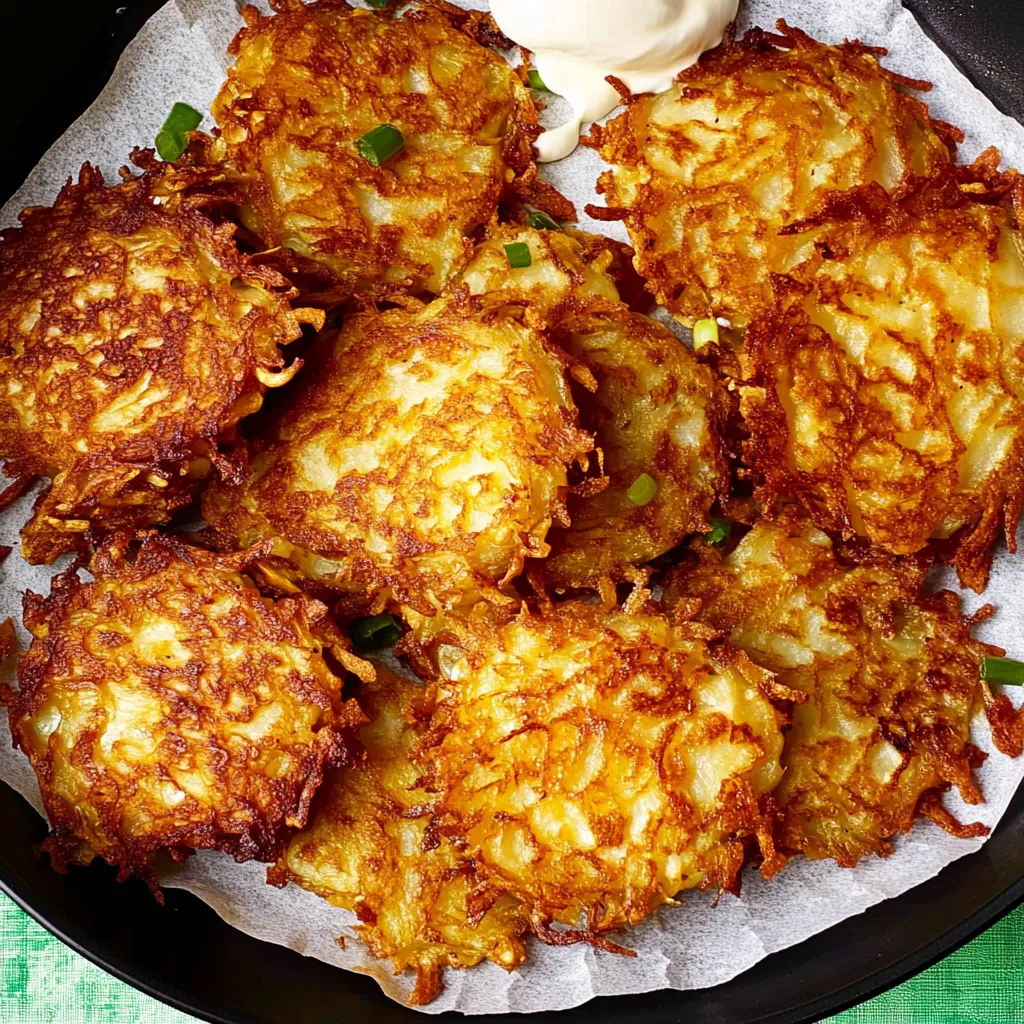
- Serve the latkes hot with sour cream and applesauce on the side. The contrast of crispy latkes with cool, tangy sour cream and sweet applesauce is traditional and perfect.
 Pin it
My mother-in-law who's made latkes for fifty years was convinced her method of squeezing potatoes in a tea towel was sufficient and that my insistence on cheesecloth was unnecessary fussiness. After watching me squeeze out twice as much liquid through cheesecloth as she'd removed with her towel, and tasting the resulting crispier latkes, she grudgingly admitted the technique made a difference. Getting the experienced cook to learn a new method after decades feels like a genuine accomplishment.
Understanding Potato Starch and Moisture
The critical challenge with latkes is managing moisture and starch. Potatoes contain about 80% water, and when you shred them, you rupture cell walls and release this water along with starch. Too much water creates steam during frying, which prevents crisping and causes oil absorption that makes latkes greasy. The goal is removing as much water as possible while retaining the starch. This is why you squeeze the shredded potatoes, then let the liquid settle, then discard the water while keeping the starch. That white sediment is pure potato starch - it contains no water, provides binding power, and contributes to crispy texture through its ability to gel when heated. This technique - squeezing then reserving starch - is what separates excellent latkes from mediocre ones.
Why Russet Potatoes Are Essential
The recipe specifically requires russet potatoes, and substituting other varieties will create inferior latkes. Potatoes are classified by starch content: high-starch (russet, Idaho), medium-starch (Yukon Gold), and low-starch waxy (red, new potatoes). High-starch potatoes have dry, mealy texture because they contain more starch granules and less moisture. When fried, these starch granules absorb oil, swell, and create crispy texture. The low moisture content means less steam and better crisping. Waxy potatoes contain more water and sugar but less starch. When fried, they become dense and gummy rather than crispy and fluffy. The interior stays wet and heavy. For latkes, russet potatoes are non-negotiable - they're the only variety that creates proper texture.
The Role of Matzo Meal
Matzo meal is traditional in latkes and serves multiple purposes. Matzo is unleavened bread made from just flour and water, baked quickly so no fermentation occurs. When ground into meal, it has coarser texture than regular breadcrumbs. In latkes, matzo meal absorbs residual moisture from the potatoes while providing binding without creating dense, bready texture. The coarseness means it doesn't form a gluey paste the way flour would. It's also traditional because Jewish cooks historically used leftover matzo meal from Passover in their Hanukkah cooking. You can substitute plain dried breadcrumbs if necessary, but matzo meal creates better texture. The key is letting the mixture sit for 5 minutes after adding matzo meal so it can fully absorb moisture before frying.
Why Chicken Schmaltz Matters
Chicken schmaltz - rendered chicken fat, often flavored with onions - is a staple of traditional Ashkenazi Jewish cooking and adds incomparable flavor to latkes. Schmaltz has delicate, savory, almost sweet flavor that enriches latkes without being heavy or greasy-tasting. Using half schmaltz and half neutral oil creates rich flavor while maintaining high smoke point. The tradition comes from Eastern European Jewish cooking where chicken fat was the primary cooking fat, and using it for Hanukkah latkes adds both flavor and cultural authenticity. If keeping kosher parve (so the latkes can be served with both meat and dairy meals), use only vegetable oil. They'll still be delicious, just less traditional. You can find schmaltz at kosher butchers or make it yourself by rendering chicken fat and skin.
Storage, Reheating, and Make-Ahead
Latkes are definitely best served immediately when the exterior is at peak crispness. However, you can keep them warm in a 200°F oven on a wire rack for up to 30 minutes while finishing batches. For longer storage, let cooled latkes cool completely, then refrigerate in an airtight container for up to 4 days. To reheat, place on a baking sheet in a 300°F oven for 5 to 10 minutes until heated through and crisped up. Don't microwave which makes them soggy. They won't be quite as crispy as fresh, but oven reheating restores decent texture. For freezing, freeze cooled latkes in a single layer until solid, then transfer to freezer bags for up to 3 months. Reheat from frozen in a 350°F oven for about 10-15 minutes.
Traditional Serving and Accompaniments
The classic accompaniments for latkes are sour cream and applesauce, and both are traditional for good reasons. Sour cream provides cool, tangy, creamy contrast to the hot, crispy, rich latkes. The fat in sour cream also helps carry flavors. Applesauce provides sweet contrast to the savory latkes, and the cool temperature balances the hot pancakes. The combination of hot/cold, savory/sweet, crispy/smooth creates perfect balance. Some families prefer one or the other, while some serve both. Greek yogurt can substitute for sour cream. For applesauce, chunky homemade is traditional and tastes better than smooth commercial versions. Serve latkes on a platter with bowls of both accompaniments, letting everyone customize their own.
Variations and Different Styles
While this recipe is for classic latkes, variations exist across Jewish communities. For thinner, lacier latkes, use less egg and press them flatter. For thicker, chewier latkes, form into thicker patties. For sweet potato latkes, substitute sweet potatoes for half the russets. For zucchini latkes, use shredded zucchini (well-squeezed) instead of some potato. For scallion latkes, add thinly sliced scallions to the mixture. For garlic latkes, add minced garlic. Each variation maintains the basic technique - shred, squeeze, mix with binder, fry - while creating different flavors. The principles of moisture removal and proper frying temperature remain constant.
Troubleshooting Common Problems
When latkes don't turn out right, there's usually a fixable cause. If they're soggy and greasy, you didn't squeeze enough moisture out or the oil wasn't hot enough - squeeze thoroughly and verify 350°F temperature. If they fall apart, you didn't use enough egg or didn't let matzo meal absorb moisture - use the full egg and let mixture sit 5 minutes. If they're gummy inside, you used waxy potatoes instead of russets - always use high-starch russets. If they burn before cooking through, the oil is too hot or patties are too thick - reduce heat and form thinner patties. If they stick to the pan, the oil isn't hot enough - heat to proper temperature before adding latkes. Most issues relate to moisture removal, potato type, or oil temperature.
 Pin it
After making latkes probably two hundred times over the past fifteen years, they've become one of those dishes where understanding the science transforms results from hit-or-miss to consistently excellent. I appreciate how simple ingredients - potatoes, onions, egg, matzo meal - create something genuinely special when treated with proper technique. The ritual of making latkes during Hanukkah feels meaningful both culturally and culinarily. Knowing the secrets - squeeze thoroughly, reserve starch, use russets, maintain temperature - transforms something that seems simple but often fails into something reliably crispy and delicious. This represents exactly what traditional foods should be - rooted in cultural significance, genuinely delicious rather than just nostalgic, and achievable through understanding technique rather than requiring professional equipment or skills.
Frequently Asked Questions
- → Can I make latkes ahead of time?
- Yes, you can fry them earlier and reheat in a 375°F oven for about 10 minutes to crisp them back up. They're best eaten fresh though.
- → Why are my latkes falling apart?
- You probably didn't squeeze out enough moisture from the potatoes. The drier your mixture, the better they'll hold together when frying.
- → Can I use sweet potatoes instead?
- Absolutely! Sweet potato latkes are delicious. Just follow the same process, though they may cook a bit faster due to higher sugar content.
- → What oil is best for frying latkes?
- Canola or vegetable oil works great because they have high smoke points. Chicken schmaltz adds amazing flavor if you can find it.
- → How do I keep latkes crispy?
- Keep them on a wire rack in a warm oven rather than stacking them. Paper towels make them soggy, so drain briefly then move to the rack.
- → Can I freeze cooked latkes?
- Yes! Let them cool completely, freeze on a baking sheet, then store in a freezer bag. Reheat in the oven straight from frozen at 400°F.
- → Do I need to peel the potatoes?
- No need to peel them. Just scrub them well. The skin adds texture and nutrients, plus it saves you time.