
 Pin it
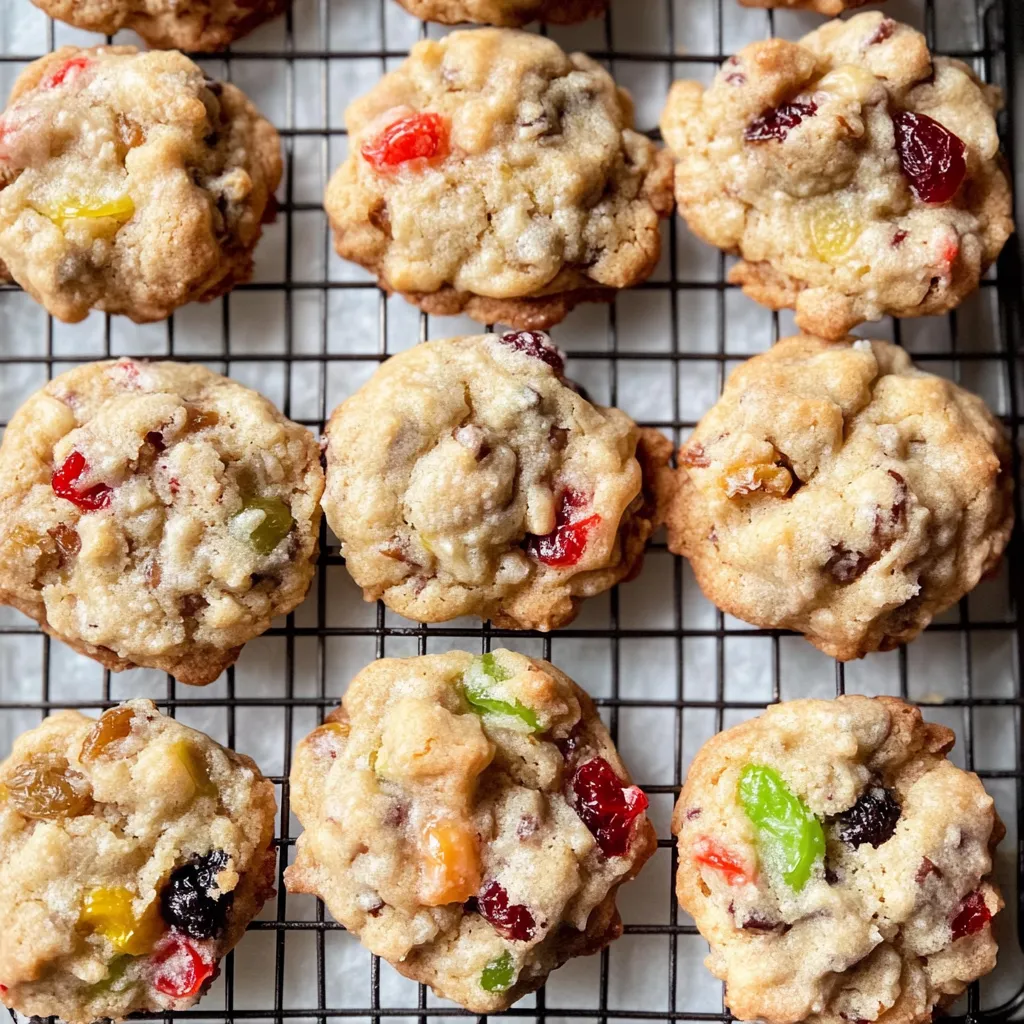
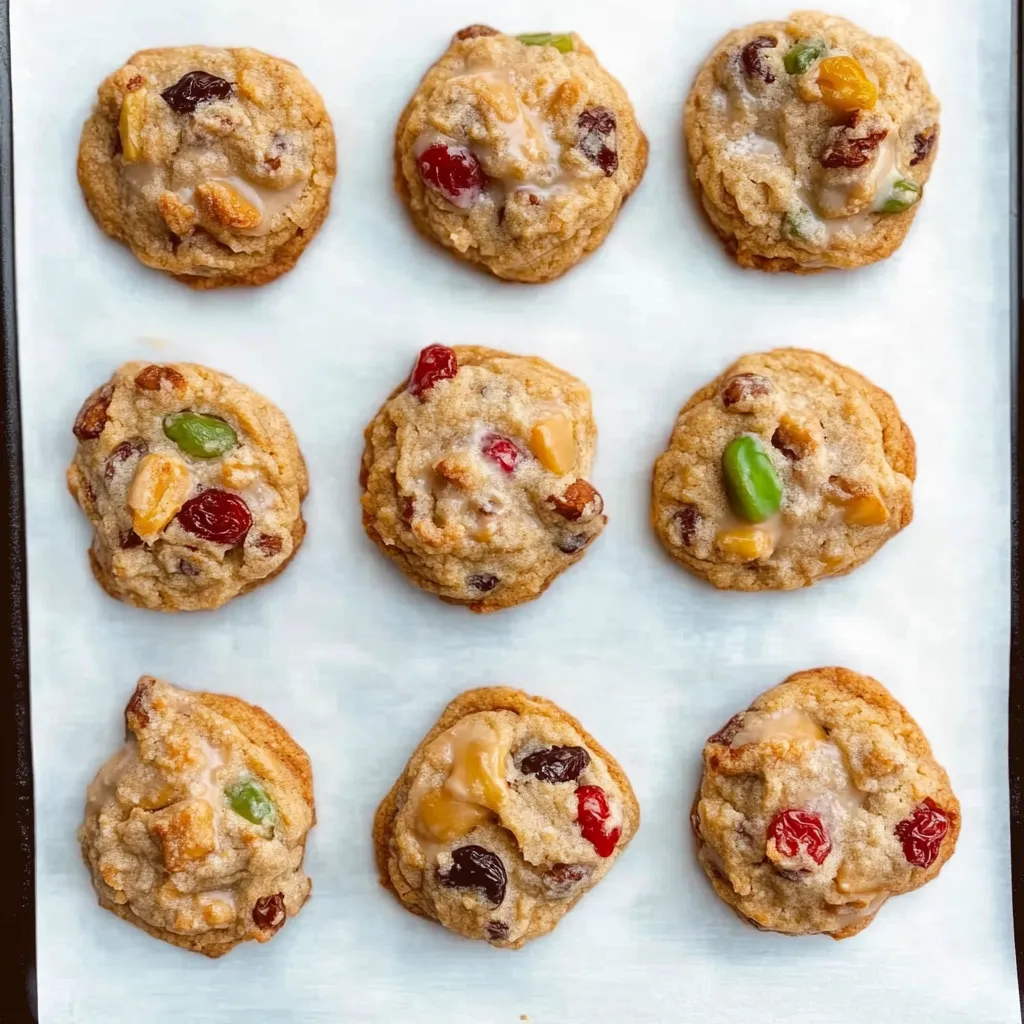
These fruitcake cookies pack all the festive flavor of traditional fruitcake into soft, chewy rounds that are so loaded with candied fruit and nuts they're almost more mix-ins than cookie dough. Candied cherries, pineapple, dates, raisins, and crunchy nuts create incredible texture variety in every bite, while brown sugar and warm cinnamon provide the spiced sweetness that makes these taste unmistakably holiday-inspired. The cookies bake up surprisingly soft and cake-like rather than crispy, with edges that stay tender even after cooling completely. An optional powdered sugar glaze adds sweetness and makes them look more polished, though they're equally delicious unglazed where the colorful candied fruit shows through more clearly.
I'll admit I was skeptical about making fruitcake cookies because I've never been a fan of traditional fruitcake with its dense, heavy texture and overly boozy flavor. But these cookies were the surprise hit of my holiday baking season—soft, sweet without being cloying, and so packed with interesting textures from all the fruit and nuts that they kept me reaching for just one more. The first batch disappeared faster than my usual chocolate chip cookies, which shocked me since I expected them to be a hard sell. Now I make them every Christmas and have converted several fruitcake skeptics who taste these and realize that fruitcake flavors can actually be delicious when executed properly. The fact that they stay fresh for days makes them ideal for gift-giving or keeping a cookie jar stocked throughout the busy holiday season.
Ingredients and What Makes Them Essential
- All-purpose flour (2 cups): This provides the structure that holds all the fruit and nuts together, though there's so much mix-in volume that the dough is more binder than traditional cookie dough. All-purpose flour has the right protein content to create tender cookies without being too delicate or too tough. Measure it accurately by spooning into the measuring cup and leveling off rather than scooping, which can pack too much flour and create dry cookies.
- Salted butter (½ cup, softened): Butter adds rich flavor and tender texture while the salt contributes to balanced sweetness. The butter should be genuinely softened to room temperature—soft enough to leave an indent when pressed but not greasy or melted. Softened butter creams properly with the sugar to incorporate air and create lighter texture. If you only have unsalted butter, add a quarter teaspoon of salt to the dry ingredients.
- Brown sugar (1 cup, packed): Brown sugar provides sweetness while adding molasses notes and moisture that keep the cookies soft for days. The molasses also contributes to that characteristic fruitcake flavor and helps the cookies brown beautifully during baking. Pack the brown sugar firmly when measuring to ensure accurate sweetness. Light brown sugar has milder molasses flavor than dark brown, though either works depending on how pronounced you want those caramel notes.
- Eggs (2 large): Eggs provide structure, richness, and help bind all the heavy fruit and nuts into cohesive dough. Room temperature eggs incorporate more smoothly than cold eggs, though either works. The eggs also contribute to the tender, cake-like texture that makes these cookies special rather than crispy or crunchy.
- Candied cherries (1½ cups, chopped): These bright red and green candied cherries are iconic fruitcake ingredients that provide chewy sweetness and festive color. You'll find them in grocery stores during December in the baking aisle, or you can order online year-round. The cherries taste the same regardless of color, so use whatever combination appeals to you visually. Chop them into halves or quarters so they distribute throughout the dough rather than staying whole. Despite their artificial appearance, they provide authentic fruitcake flavor and texture.
- Candied pineapple (1 cup, chopped): Candied pineapple adds tropical sweetness and chewy texture with bright yellow color that contrasts beautifully with the cherries. It's usually available year-round near dried fruits like raisins and apricots, or in the bulk section. Chop it into small pieces since it comes in larger chunks than the cherries. The pineapple provides tangy sweetness that balances the other fruits.
- Dates (1 cup, chopped): Dates contribute natural sweetness, deep caramel flavor, and soft, sticky texture that's different from the candied fruits. Use pitted dates and chop them into small pieces—kitchen shears work better than a knife since dates are sticky. Medjool dates are larger and more expensive but incredibly sweet and tender, while Deglet Noor dates are smaller and slightly less sweet but more economical. Either variety works beautifully.
- Raisins (1 cup): Raisins add chewy texture and concentrated grape sweetness while being more economical than candied fruits. Regular dark raisins or golden raisins both work—golden raisins are slightly sweeter and tangier with lighter color. The raisins provide familiar flavor that makes the cookies more approachable for people wary of candied fruit.
- Nuts (1 cup, chopped): Walnuts and pecans provide essential crunchy contrast to all the soft, chewy fruits while adding rich, buttery flavor and healthy fats. Using a combination of both creates more complex flavor than just one variety, though you can use whichever you prefer or have available. Chop them into relatively small pieces so you get some in every bite rather than large chunks that dominate. Toasting the nuts briefly before chopping intensifies their flavor, though this is optional.
- Ground cinnamon (1 teaspoon): Cinnamon provides warm, sweet-spicy flavor that's essential to fruitcake's characteristic taste and makes the cookies smell incredible while baking. The cinnamon ties all the disparate fruit flavors together and creates that familiar holiday spice profile. Use relatively fresh ground cinnamon for best flavor rather than ancient jars that have lost potency.
- Baking soda (½ teaspoon): This leavening agent helps the cookies rise slightly and creates tender texture by neutralizing acids in the brown sugar. Don't substitute with baking powder, which would create different texture and spread. The small amount ensures the cookies stay soft and cake-like rather than puffing up too much or spreading too thin.
- Vanilla extract (1 teaspoon, pure): Pure vanilla extract adds aromatic depth and enhances all the other flavors without tasting obviously vanilla-forward. Use real vanilla rather than imitation, which can taste artificial in baked goods. Some recipes add rum extract along with or instead of vanilla for more authentic fruitcake flavor without actual alcohol.
- Milk (2 tablespoons): A small amount of milk provides moisture and helps create the soft, tender texture that defines these cookies. Whole milk is ideal, though any milk works. If you want to add alcohol for traditional fruitcake flavor, substitute 1 to 2 tablespoons of brandy, bourbon, rum, or whiskey for some or all of the milk.
Step-by-Step Instructions
- Cream butter and sugar:
- Position your oven rack in the center and preheat to 325°F—this lower temperature prevents the heavily loaded cookies from browning too quickly on the outside while staying raw inside. Line two or three baking sheets with parchment paper and set aside. In a large mixing bowl or the bowl of a stand mixer, combine the softened butter and packed brown sugar. Beat them together on medium speed for 1 to 2 minutes until the mixture becomes lighter in color, fluffy, and well combined. The creaming process incorporates air that helps create tender texture. Scrape down the sides and bottom of the bowl with a spatula to ensure everything mixes evenly.
- Add wet ingredients:
- Add both eggs to the creamed butter and sugar along with the milk and vanilla extract. Beat on medium speed for about 30 seconds until everything is thoroughly combined and the mixture looks smooth and uniform. The eggs should be completely incorporated without any streaks remaining. The mixture might look slightly curdled at this stage, which is normal and will smooth out when you add the flour.
- Mix in dry ingredients:
- Add the flour, baking soda, cinnamon, and a pinch of salt if using unsalted butter to the bowl. Mix on low speed or stir by hand with a wooden spoon just until the dry ingredients are incorporated and you no longer see streaks of flour. Don't overmix or the cookies will be tough—stop as soon as everything comes together. Scrape the bottom and sides of the bowl to catch any pockets of unmixed flour. The dough at this stage will be very soft and sticky, unlike typical cookie dough. This is exactly right.
- Fold in fruits and nuts:
- Add all the chopped candied cherries, candied pineapple, dates, raisins, and nuts to the soft dough. Using a rubber spatula or wooden spoon—or your mixer on the lowest speed—fold and stir gently just until all the fruit and nuts are evenly distributed throughout the dough. You want to see colorful fruit and nuts throughout without any large pockets of plain dough. The dough will be heavily studded and seem like there's more fruit and nuts than dough holding it together, which is characteristic of these cookies. Work gently to avoid crushing the fruit or breaking up the nuts too much.
- Portion the cookies:
- Use a small cookie scoop (about 2 tablespoons capacity) or two spoons to drop mounds of the heavily loaded dough onto your prepared baking sheets. Space them about 2 inches apart to allow for slight spreading during baking—these don't spread much because of all the fruit and nuts, but they need some room. Each mound will look very chunky and textured with visible fruit and nuts, which is perfect. You should get about 36 to 40 cookies depending on exact sizing.
- Bake until just set:
- Slide the baking sheets into the preheated 325°F oven and bake for 12 to 15 minutes. Watch carefully toward the end of baking—you're looking for cookies that are lightly golden brown around the edges and no longer wet or glossy on top. The centers might still look slightly soft, which is fine since they'll continue setting as they cool. Don't overbake or the cookies will become dry and hard rather than soft and tender. Different ovens vary, so check at 12 minutes and add time as needed. When done, remove from the oven and let the cookies sit on the hot baking sheet for 5 minutes to firm up before transferring them to a wire cooling rack. They'll be very fragile when hot but will strengthen as they cool.
- Optional glazing:
- If you want to glaze the cookies for extra sweetness and polished appearance, wait until they're completely cool. In a small bowl, whisk together about 1 cup of powdered sugar with 2 to 3 tablespoons of milk, adding the milk gradually until you have a thin, pourable glaze that drips smoothly off the whisk. The consistency should be quite thin—when you drizzle it, it should melt back into itself within a few seconds. Dip the top of each cooled cookie into the glaze, letting excess drip back into the bowl, then return the glazed cookies to the wire rack. Let them sit undisturbed for 2 to 3 hours until the glaze sets completely and is no longer tacky to the touch. The glaze will be shiny and slightly translucent, letting the colorful fruit show through.
 Pin it
The technique that made the biggest difference in my results was learning not to overbake these cookies despite my instinct to keep them in the oven until they looked fully browned and set. My first batch, I baked them until they were golden brown all over because that's what I do with most cookies, and they came out dry and hard rather than soft and tender. Once I understood that these should come out when they're just barely golden around the edges with tops that are no longer shiny but not fully browned, and that they'd continue setting on the baking sheet after removal, my results improved dramatically. Now I pull them at what seems like too early, trusting that they'll firm up as they cool, and they consistently turn out soft and almost cake-like in texture. That willingness to remove them from the oven earlier than instinct suggests is what makes these cookies special rather than just acceptable.
Understanding Soft Cookie Science
The soft, almost cake-like texture of these fruitcake cookies comes from several factors working together rather than any single ingredient or technique. The brown sugar contributes moisture through its molasses content and contains more water than white sugar, which keeps baked goods tender. The relatively low ratio of flour to wet ingredients creates a dough that's more batter-like than typical cookie dough, producing softer results. The baking soda creates tender crumb by making the dough slightly alkaline, which prevents gluten development that would create chewiness.
The heavy load of fruits and nuts plays a significant role in texture too. All that fruit releases moisture during baking that keeps the surrounding dough soft and prevents drying. The high sugar content in candied fruits draws moisture from the air even after baking (hygroscopic property), which is why these cookies stay soft for days or even weeks when stored properly. The nuts provide textural contrast and release their oils during baking, contributing to richness and moisture retention.
The lower baking temperature of 325°F instead of the typical 350°F for cookies allows these heavily loaded dough balls to bake through without the exterior browning too quickly or forming a hard crust. The gentle heat gives the interior time to set while keeping everything tender. Pulling them from the oven when they're just barely set rather than fully browned also ensures they don't overbake and dry out. The residual heat from the baking sheet continues cooking them slightly after removal, so they finish setting while cooling without becoming hard.
Customization and Variation Ideas
The beauty of fruitcake cookies is how easily you can adapt the fruit and nut combination to suit personal preferences or use whatever you have available. The total volume of mix-ins should stay roughly the same—about 5 to 6 cups total—but the specific components are flexible. If you dislike one particular fruit, simply replace it with more of another or try something different. Dried cranberries add tartness and festive color, while dried apricots contribute tangy sweetness and bright orange color. Dried mango or papaya would work for tropical flair.
For people who find candied fruit too sweet or artificial, you can replace some or all of it with dried fruit instead. Dried cherries, blueberries, or figs all work beautifully and provide more natural fruit flavor, though they won't have that iconic fruitcake appearance with bright colors. Crystallized ginger adds spicy heat and intense ginger flavor that's delicious if you enjoy ginger. You could make chocolate fruitcake cookies by adding a half cup of mini chocolate chips along with the fruit, creating something totally different but equally festive.
Nut variations offer another avenue for customization. Almonds, hazelnuts, pistachios, or macadamia nuts all work instead of or in addition to the traditional walnuts and pecans. Toasting any nuts before adding them intensifies their flavor and creates crunchier texture that provides better contrast to the soft cookie. For nut-free versions, you could use seeds like pepitas or sunflower seeds, though the flavor profile will shift. Some bakers add shredded coconut along with the fruit, which provides texture and tropical sweetness.
Storage and Gift-Giving Tips
These fruitcake cookies are exceptional keepers thanks to their high sugar content and moisture from all the fruit, making them ideal for advance baking when you're preparing for busy holidays or need to ship cookies as gifts. Store them in an airtight container at room temperature, placing parchment or wax paper between layers if they're glazed to prevent sticking. Properly stored, they'll stay soft and fresh-tasting for at least a week, often longer. The flavor actually improves after a day or two as the spices and fruits meld together.
For gift-giving, these cookies ship remarkably well because they're soft and won't crumble during transit like crispy cookies might. Pack them in a sturdy tin or plastic container with parchment between layers, then cushion the container well in a shipping box with bubble wrap or packing peanuts. The cookies can handle a few days in transit without any quality loss. Their festive appearance with colorful fruit makes them look special and gift-worthy, especially if you include both glazed and unglazed versions for variety.
Freezing extends storage even further—these freeze beautifully for up to three months. Freeze them on a baking sheet until solid, then transfer to freezer bags or airtight containers, separating layers with parchment. Thaw at room temperature for a couple hours before serving. The texture after freezing and thawing is nearly identical to fresh, making this an excellent strategy for spreading out holiday baking across several weeks rather than doing everything at the last minute.
 Pin it
These fruitcake cookies have completely changed how I think about fruitcake flavors and proved to me that the concept isn't the problem—the execution in traditional dense, boozy fruitcake is what puts people off. By transforming those same flavors into soft, tender cookies that are approachable and genuinely delicious, this recipe rescues fruitcake's reputation and creates something people actually get excited about eating. I love that they're unique enough to stand out on a cookie platter full of chocolate chip and sugar cookies, yet familiar enough with recognizable holiday flavors that they don't intimidate people. The fact that they keep so well makes them practical for the chaos of holiday baking when you need things you can make ahead, and the customizable nature means I can adapt them based on what fruits I find or what sounds appealing each year. Once you taste how all those different fruits and nuts create incredible textural variety in every bite, and how the soft, cake-like cookie holds everything together without being heavy or dense, you'll understand why these became my surprise favorite holiday cookie and why I now make them every single Christmas season.
Frequently Asked Questions
- → Can I make these cookies without the glaze?
- Yes! These cookies taste great with or without the glaze. The glaze adds extra sweetness, but they're delicious plain too.
- → How long do fruitcake cookies stay fresh?
- They'll keep for at least a week in an airtight container on your counter. The candied fruit helps them stay moist longer than regular cookies.
- → Can I use different dried fruits?
- Absolutely! Swap in dried apricots, cranberries, or mangoes if you prefer. Use whatever combination you like best.
- → Do I have to use both walnuts and pecans?
- Not at all. You can use just one type of nut or mix them half and half. Either way works perfectly.
- → Can these cookies be frozen?
- Yes, they freeze beautifully for up to 3 months. Just thaw them on the counter for a few hours before serving.
- → Why did my cookies spread too much?
- Make sure your butter is softened but not melted, and your oven is fully preheated to 325°F before baking.
- → Can I add alcohol to these cookies?
- Yes! Add a tablespoon of rum, brandy, or bourbon with the milk for traditional fruitcake flavor.