
 Pin it
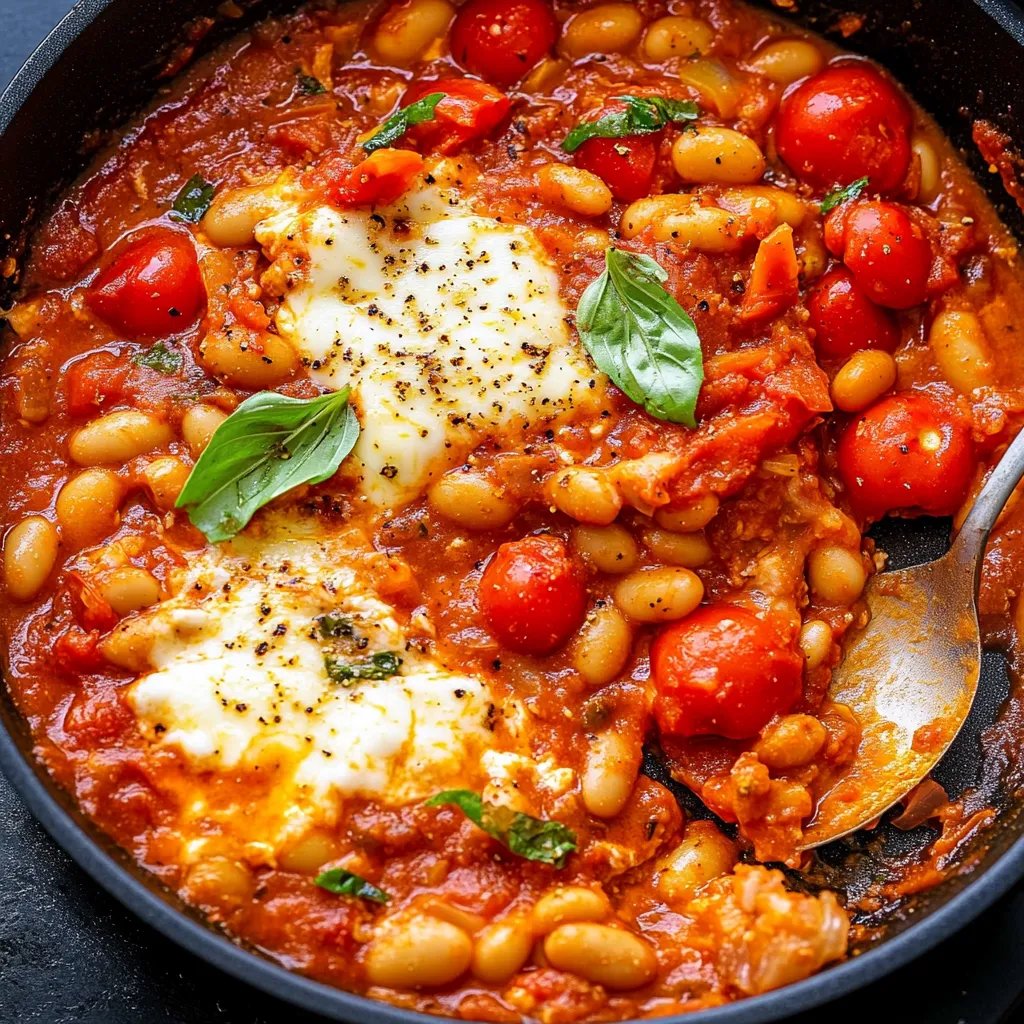
Pizza beans are one of those recipes that sounds strange on paper - beans cooked with tomatoes, garlic, oregano, and topped with melted mozzarella - but makes complete sense once you understand it's essentially all the flavors of pizza without the crust, served as a saucy, comforting skillet meal you eat with crusty bread for dipping. The cherry tomatoes blister and burst into a fresh sauce, cannellini beans provide creamy texture and plant-based protein, and bubbling mozzarella on top ties everything together with that characteristic pizza cheese pull. What makes this particularly appealing is how it's a complete one-skillet meal that goes from stovetop to broiler in the same pan, requires maybe twenty minutes of actual cooking time, and uses mostly pantry staples which makes it viable for weeknights when you want something cozy and satisfying without requiring a grocery store run or significant effort.
I started making pizza beans about three years ago after seeing a version on social media and being skeptical that beans with pizza toppings could actually work. The first batch I made used regular diced tomatoes instead of blistering cherry tomatoes, and it tasted flat and one-dimensional. After learning that blistering cherry tomatoes until their skins char creates concentrated sweetness and depth, and that broiling mozzarella on top creates that essential pizza cheese experience, it transformed into something I make constantly throughout fall and winter. Now it's become one of those dinner solutions I turn to when I want comfort food that's actually nutritious.
Ingredients and What Makes Them Essential
- Extra Virgin Olive Oil (3 tablespoons): Olive oil provides fat for blistering tomatoes and building flavor base. Use good quality extra virgin for best taste. You can substitute avocado oil or regular olive oil if needed.
- Cherry Tomatoes (3 cups, about 1½ pints, halved): Cherry tomatoes are essential because their high sugar content creates sweetness when blistered. Halving them exposes more surface area for caramelization. You can substitute grape tomatoes or, in a pinch, canned diced tomatoes (though fresh is much better).
- Garlic (6 cloves, grated or minced): Fresh garlic provides pungent, aromatic depth. Grating on a microplane creates finer texture than mincing. Don't substitute jarred garlic or powder which taste completely different.
- Tomato Paste (2 tablespoons): Tomato paste adds concentrated tomato flavor and helps create the "pizza sauce" character. Browning it briefly in oil develops deep, almost caramelized notes.
- Dried Oregano (2 teaspoons): Oregano is the defining pizza herb. Use dried rather than fresh for concentrated flavor. Italian seasoning works as a substitute.
- Red Pepper Flakes (½ teaspoon, adjust to taste): Adds gentle heat and complexity. Omit if you don't like spice, or increase for more heat.
- Cannellini Beans (two 15-ounce cans, drained and rinsed): Cannellini beans have creamy texture and mild flavor that works beautifully here. They provide protein and fiber that makes this filling. You can substitute great northern beans, butter beans, or chickpeas.
- Vegetable Broth (1 cup): Broth creates the saucy base that beans simmer in. Use low-sodium so you can control salt levels. You can substitute water with a pinch of salt, or chicken broth if not vegetarian.
- Mozzarella Cheese (1½ cups shredded, or 8 ounces fresh mozzarella torn): Mozzarella creates that essential pizza cheese experience. Shredded melts evenly, while fresh mozzarella creates more dramatic pockets of molten cheese. You can substitute other melting cheeses like fontina, provolone, or dairy-free mozzarella.
- Parmesan Cheese (¼ cup, grated): Parmesan adds salty, nutty depth. Freshly grated melts better than pre-grated. You can substitute Pecorino Romano.
- Fresh Basil (handful of leaves, torn): Fresh basil adds bright, aromatic finish. Add it after broiling so it stays fresh. Don't substitute dried basil which doesn't have the same impact.
- Kosher Salt and Black Pepper (to taste): Season at multiple stages for layered flavor.
For Serving:
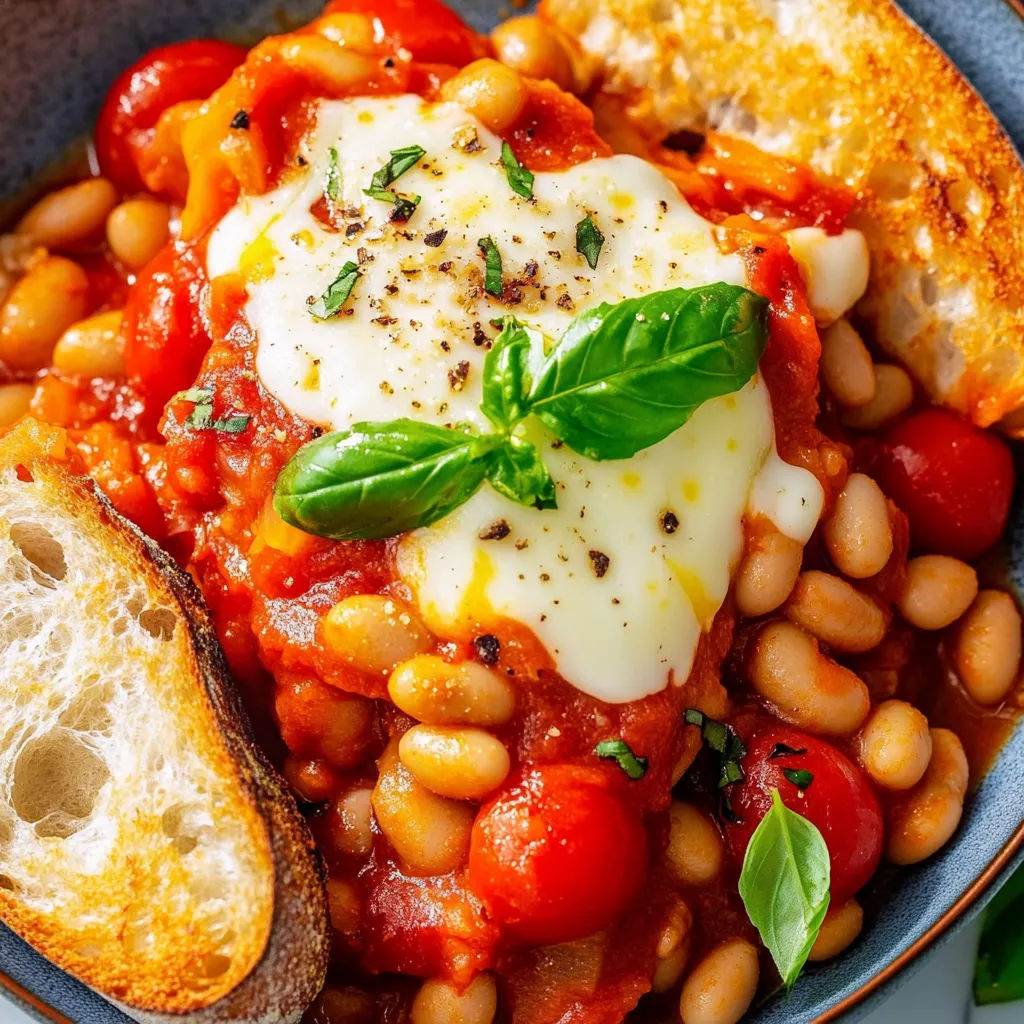
- Crusty Bread (baguette or ciabatta): Essential for scooping up the saucy beans and cheese. Toast it if desired.
Step-by-Step Instructions
- Blister the Tomatoes:
- Place a large oven-safe skillet (10 or 12-inch cast iron or stainless steel with metal handle) over medium-high heat. Add 3 tablespoons of olive oil and let it heat for about 1 minute until shimmering. Add 3 cups of halved cherry tomatoes cut-side-down. Let them cook undisturbed for about 3 to 4 minutes - resist the urge to stir. You want the cut sides to blister and char slightly, which concentrates their sweetness. After 3 to 4 minutes, stir and continue cooking for another 2 to 3 minutes until the tomatoes are blistered, softened, and starting to break down. Some of them should be bursting and releasing their juices.
- Build the Flavor Base:
- Add 6 cloves of grated or minced garlic, 2 tablespoons of tomato paste, 2 teaspoons of dried oregano, ½ teaspoon of red pepper flakes, ½ teaspoon of salt, and several grinds of black pepper to the skillet with the blistered tomatoes. Stir everything together and cook for about 1 minute, stirring constantly, until the garlic is fragrant and the tomato paste has darkened slightly. This brief cooking of the tomato paste is important - it develops deep, caramelized flavor that makes the sauce taste like it simmered for hours.
- Add Beans and Simmer:
- Pour in two cans of drained and rinsed cannellini beans and 1 cup of vegetable broth. Stir everything together to coat the beans with the tomato mixture. Bring to a simmer, then reduce the heat to medium-low. Let the mixture simmer gently, stirring occasionally, for about 10 to 12 minutes. You're watching for the tomatoes to break down further, the broth to reduce and thicken slightly, and all the flavors to meld together. The mixture should be saucy but not soupy - if it looks too dry, add a splash more broth; if too watery, simmer a bit longer uncovered.
- Prepare to Broil:
- While the beans simmer, position an oven rack about 6 inches from the broiler element and turn on your broiler to high. This gives it time to preheat fully.
- Add Cheese:
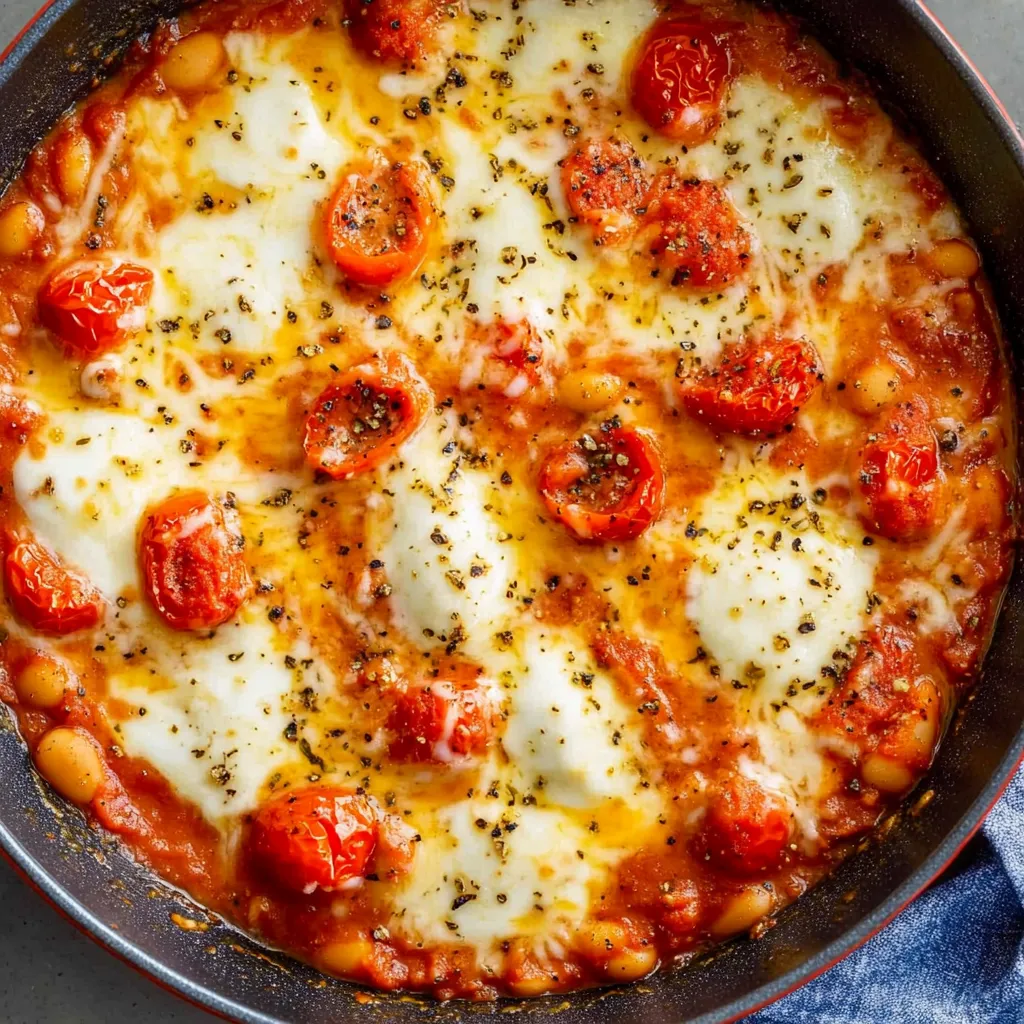
- After the beans have simmered and the sauce has thickened, taste and adjust seasoning with more salt and pepper if needed. Sprinkle 1½ cups of shredded mozzarella evenly over the entire surface of the beans. If using fresh mozzarella, tear it into irregular pieces and distribute them across the top. Sprinkle ¼ cup of grated Parmesan over the mozzarella.
- Broil:
- Carefully transfer the skillet to the preheated broiler. Broil for 5 to 7 minutes, watching carefully, until the cheese is melted, bubbling, and golden brown in spots. The exact timing depends on your broiler's intensity and the distance from the element. Check after 4 minutes and watch closely from there - cheese can go from perfect to burnt quickly. You want it golden and bubbly with some brown spots, not black and burnt.
- Finish and Serve:
- Carefully remove the hot skillet from the oven using oven mitts - the handle will be extremely hot. Let it rest for about 2 to 3 minutes to cool slightly and allow the cheese to set. Tear fresh basil leaves and scatter them over the top. Serve immediately in the skillet with plenty of crusty bread for dipping and scooping. The beans are best eaten hot while the cheese is still gooey.
 Pin it
My husband who claims he doesn't like beans and avoids them in any form tried pizza beans without asking what was in them. He ate an entire bowl with probably half a baguette before asking what made the "pizza stuff" so good. When I told him it was mostly beans, he looked betrayed and insisted they couldn't be beans because he hates beans. Now he requests them regularly while maintaining he "still doesn't like beans in general, just these specific ones." Converting the bean-hater through pizza flavors feels like a sneaky nutritional victory.
Understanding How Blistering Transforms Tomatoes
Blistering cherry tomatoes over high heat fundamentally changes their flavor through several chemical processes. When tomato flesh is exposed to high heat (above 300°F), the natural sugars caramelize, creating sweet, complex flavors. The high heat also drives off moisture, concentrating flavor compounds. The Maillard reaction - the same process that browns meat - occurs between amino acids and sugars, creating hundreds of new flavor compounds that taste savory and deep. The slightly charred skin adds subtle smokiness. Fresh tomatoes that haven't been blistered taste bright and acidic, while blistered tomatoes taste sweet, concentrated, and complex. This is why the recipe emphasizes leaving tomatoes undisturbed initially - constant stirring prevents proper contact with the hot pan and limits caramelization. The transformation from raw to blistered takes only 5-7 minutes but makes the difference between flat and extraordinary flavor.
Why Cannellini Beans Work Best
Cannellini beans, also called white kidney beans, are ideal for this dish because of their specific characteristics. They have creamy, almost buttery texture that becomes luxurious when simmered in sauce. Their mild flavor doesn't compete with the pizza seasonings but provides a neutral base that absorbs all the tomato and garlic flavors. They hold their shape well during cooking rather than falling apart. They're substantial enough to make the dish filling without requiring meat. One cup of cannellini beans provides about 15 grams of protein and 12 grams of fiber, making this genuinely satisfying. Great northern beans are very similar and work equally well. Butter beans (lima beans) have similar creaminess but larger size. Chickpeas work but have firmer texture and distinct flavor. Navy beans or pinto beans would be too soft for this application.
The Importance of Browning Tomato Paste
The instruction to cook tomato paste briefly in oil before adding other ingredients isn't optional fussiness - it dramatically improves flavor. Tomato paste is concentrated tomato flavor, but raw tomato paste tastes sharp, metallic, and one-dimensional. When you cook it in hot oil for just 1-2 minutes, several things happen: the sugars in the tomato paste caramelize slightly, creating sweetness and depth. The heat drives off any tinny flavors from canning. The natural glutamates (umami compounds) become more pronounced. The paste darkens from bright red to deep burgundy. The brief cooking transforms the paste from sharp and harsh to sweet and complex, which in turn makes the entire sauce taste richer. This technique is used throughout Italian cooking and is part of what makes restaurant tomato sauces taste better than home versions.
Choosing the Right Skillet and Broiler Safety
Using an oven-safe skillet is essential because the pan goes directly from stovetop to broiler. Cast iron is ideal because it retains heat beautifully and can handle any temperature. Stainless steel with a metal handle works perfectly. Carbon steel is excellent. However, nonstick pans with plastic or silicone handles cannot go under the broiler - the handles will melt or burn, releasing toxic fumes. Some nonstick pans have metal handles but the coating itself can't handle broiler temperatures above 500°F. If you only have a non-oven-safe skillet, you can transfer the bean mixture to a baking dish before adding cheese and broiling. The skillet handle will be extremely hot after broiling - mark it with an oven mitt or towel so nobody grabs it bare-handed. The entire pan retains heat for 15-20 minutes after removing from the oven.
Storage, Reheating, and Make-Ahead
Pizza beans store well and reheat beautifully, making them excellent for meal prep or planned leftovers. Let the beans cool to room temperature, then transfer to an airtight container and refrigerate for up to 4 days. The flavors actually improve overnight as they meld. To reheat, warm in a skillet or pot over medium heat, adding a splash of broth if the sauce has thickened too much. Or microwave individual portions, stirring halfway through. For best results, add fresh cheese and broil right before serving rather than reheating with the cheese already on top. The beans can be made completely ahead through the simmering step, refrigerated, then reheated and topped with fresh cheese for broiling. Don't freeze these - the beans become mushy and the tomatoes watery after thawing. This is one of those dishes best made fresh or within a few days.
Serving Suggestions and Complete Meal Ideas
Pizza beans work beautifully as a complete meal, especially when served with good bread for scooping. Crusty Italian bread, ciabatta, or baguette are traditional and perfect for soaking up the saucy beans. Garlic bread adds extra flavor. For a lighter accompaniment, serve with a simple green salad dressed with lemon vinaigrette - the acid and freshness balance the rich, cheesy beans. For more substantial meals, add a side of roasted vegetables like broccoli or Brussels sprouts. For protein beyond the beans, you can stir in cooked Italian sausage (brown it separately first) or add some torn prosciutto on top after broiling. For beverages, this pairs well with Italian red wine like Chianti or Montepulciano, or try Italian beer. For serving presentation, bring the skillet directly to the table with a stack of plates and bread basket for communal, rustic serving.
Variations and Customization Ideas
While the base recipe is excellent, you can create variations for different preferences. For spicy pizza beans, increase red pepper flakes to 1 teaspoon or add sliced fresh jalapeños. For white pizza beans, omit tomatoes and tomato paste; use cream instead of broth and add spinach. For meat versions, brown Italian sausage, ground beef, or pancetta and add with the beans. For different beans, try chickpeas for firmer texture or butter beans for extra creaminess. For vegan version, use dairy-free mozzarella or omit cheese and drizzle with pesto instead. For different vegetables, add sautéed bell peppers, zucchini, or spinach with the beans. For more pizza-like, add sliced olives or capers. Each variation maintains the one-skillet convenience while creating different flavor profiles for various preferences and dietary needs.
Troubleshooting Common Problems
When pizza beans don't turn out right, there's usually a fixable cause. If the sauce is watery, you didn't simmer long enough or added too much broth - simmer uncovered until thickened. If tomatoes didn't blister, your heat was too low or you stirred too soon - use higher heat and leave undisturbed initially. If it tastes flat, you didn't brown the tomato paste or underseasoned - cook paste until darkened and add more salt. If cheese burned, your broiler was too hot or you left it too long - move rack lower and watch constantly. If beans are mushy, you overcooked them during simmering - add beans later and simmer just until heated. If too thick, add more broth to reach desired consistency. If the skillet handle melted, it wasn't oven-safe - always verify before broiling. Most issues relate to heat management, timing, or seasoning levels.
 Pin it
After making pizza beans probably twenty times over the past three years, they've become one of my most reliable weeknight dinners because they deliver genuine comfort food satisfaction while being mostly vegetables and beans. I appreciate how blistering tomatoes creates restaurant-quality flavor in minutes, and how melted mozzarella transforms beans into something that feels indulgent rather than virtuous. The one-skillet convenience means minimal cleanup even though you're getting stovetop searing and broiler melting. Knowing the simple secrets - blister tomatoes properly, brown the tomato paste, use oven-safe pan - transforms something that could be boring bean stew into something with genuine pizza character. This represents exactly what weeknight cooking should be - nutritious enough to feel good about, delicious enough that nobody thinks about the nutrition, practical enough to make regularly, and comforting enough that a bowl makes everything feel better even on difficult days.
Frequently Asked Questions
- → Can I use a different type of beans instead of cannellini?
- Yes, great northern beans or navy beans work perfectly. You can also try chickpeas for a different texture.
- → What if I don't have an oven-safe skillet?
- Just transfer everything to a baking dish before adding the cheese. Then broil it the same way.
- → Can I make this ahead of time?
- The bean mixture keeps well in the fridge for up to 3 days. Add fresh cheese and broil when you're ready to eat.
- → How do I store leftovers?
- Keep them in an airtight container in the fridge for up to 4 days. Reheat on the stove or in the microwave.
- → Can I skip the broiling step?
- You can, but broiling gives you that bubbly, golden cheese on top. Without it, just stir the cheese in until melted.
- → What can I serve this with besides bread?
- Try it over rice, pasta, or with crackers. It also goes great with a simple green salad on the side.