
 Pin it
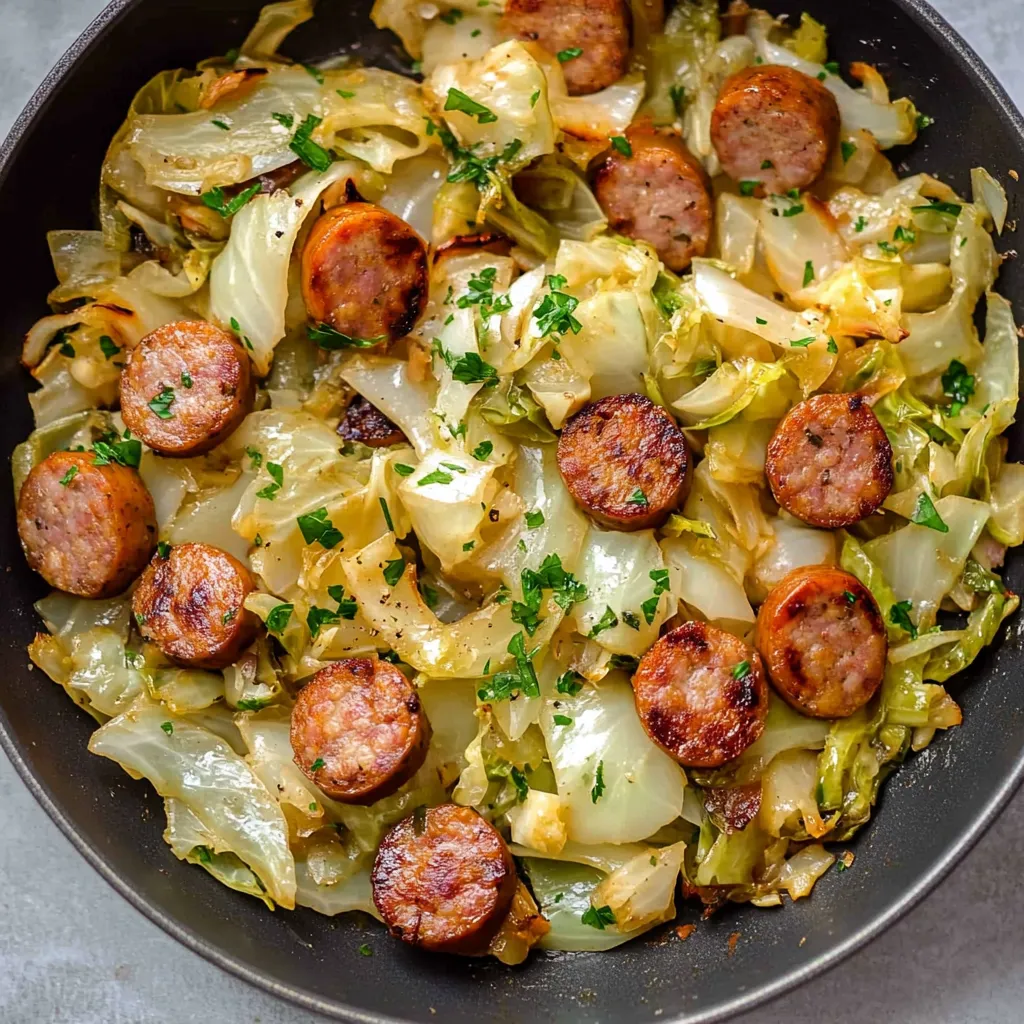
Cabbage and sausage might sound like poverty food or something your grandmother made during hard times, but this skillet version transforms those humble ingredients into something genuinely delicious that you'll want to make even when you're not trying to save money. The key is cooking sliced cabbage until it's tender but still has some bite, not mushy and overcooked like boiled cabbage that turns gray and smells like sadness. Browning the sausage first creates flavorful bits in the pan that season the cabbage as it cooks, while a touch of brown sugar balances the slight bitterness and adds complexity. The whole thing comes together in one skillet in about twenty-five minutes, which makes it perfect for weeknight dinners when you're tired and don't want to spend an hour cooking or create a mountain of dishes. What makes this particularly appealing is how it works as either a hearty side dish or a complete low-carb meal on its own, and how you can customize it with whatever sausage variety or additional vegetables you have available.
I started making cabbage and sausage about ten years ago when I was trying to eat lower-carb but was tired of the same grilled chicken and vegetables every night. My grandmother used to make something similar but would boil everything together until it turned into mush, which I hated as a kid. Discovering that you could slice and sauté cabbage until it stays slightly crunchy completely changed my opinion. The brown sugar addition was accidental - I grabbed the wrong container thinking it was salt, but the slight sweetness worked so well with the sausage that it became intentional. Now this is one of my most frequent weeknight dinners because it's fast, filling, and actually tastes good rather than just being something healthy I force myself to eat.
Ingredients and What Makes Them Essential
- Green Cabbage (1 medium head, about 2 pounds): Green cabbage has mild, slightly sweet flavor that works perfectly with savory sausage. Choose a head that feels heavy for its size with tight, crisp leaves and no brown spots or soft areas. Don't substitute red cabbage unless you want everything to turn purple - it also has a stronger, slightly peppery flavor that's less compatible with sausage.
- Smoked Sausage (14 ounces, about 1 package): Any cased, pre-cooked smoked sausage works beautifully. Kielbasa, andouille, bratwurst, chorizo, or Italian sausage all provide different flavor profiles. The sausage should be firm and well-seasoned. Slice it into rounds about ½-inch thick for optimal browning and portion size.
- Light Brown Sugar (1 tablespoon, packed): Brown sugar adds subtle sweetness that balances cabbage's slight bitterness and creates depth of flavor. It's not enough to make the dish taste sweet, just enough to round out the flavors. Pack it into your measuring spoon for accurate measurement.
- Water or Broth (¼ cup): Liquid helps deglaze the pan after browning sausage, lifting all those flavorful browned bits and incorporating them into the dish. Water works fine, but chicken or beef broth adds more savory depth. You could also use white wine for sophistication.
- Unsalted Butter (2 tablespoons): Butter added at the end enriches the cabbage and adds glossy richness. Use unsalted so you can control the salt level, since sausage is already quite salty. If using salted butter, reduce or eliminate added salt.
- Cooking Oil (2 tablespoons, divided): Neutral-flavored oil like vegetable, canola, or avocado oil provides fat for browning the sausage and cooking the cabbage without adding competing flavors. Olive oil works too but adds its own taste.
- Salt and Black Pepper (to taste): You'll need to season the cabbage, but start conservatively because most sausages are heavily salted. Taste as you cook and adjust. Freshly ground black pepper tastes significantly better than pre-ground.
- Fresh Parsley (for garnish, optional): Chopped fresh parsley adds a pop of bright green color that makes the dish look more appealing. This is purely aesthetic but worthwhile.
Optional Add-Ins: Yellow onion (1 large, chopped), bell peppers (1-2, sliced), garlic (3-4 cloves, minced), potatoes (2 medium, diced), red pepper flakes (for heat), or additional vegetables like green beans or snow peas.
Step-by-Step Instructions
- Prepare the Cabbage:
- Remove any damaged or wilted outer leaves from your cabbage head and discard them. Place the cabbage on a cutting board and use a large, sharp knife to cut it in half from top to bottom through the core. Take one half and cut out the tough triangular core at the base - just make a diagonal cut on each side to remove it. Lay the cabbage half flat-side down and slice it into strips about 1 to 1½ inches wide. If your cabbage is quite large and the strips seem too long, cut them in half crosswise so you have more manageable pieces. Repeat with the other half. You want pieces that are substantial enough to maintain some structure and crunch during cooking, not tiny shreds that will overcook quickly. Set the sliced cabbage aside in a large bowl.
- Brown the Sausage:
- Place a large skillet - at least 12 inches wide with relatively high sides - over medium heat and let it warm up for about a minute. Add 1 tablespoon of cooking oil and swirl it around to coat the bottom. Slice your sausage into rounds about ½-inch thick. Once the oil is shimmering and hot, add all the sausage slices in a single layer, working in batches if necessary to avoid crowding. Let them cook undisturbed for about 2 to 3 minutes until the bottom sides are nicely browned with good color. Flip each piece and brown the other side for another 2 to 3 minutes. The sausage is already cooked, so you're just creating flavorful browning through caramelization. Once browned on both sides, transfer the sausage to a plate and set aside. Don't wipe out the pan - those browned bits stuck to the bottom are pure flavor.
- Deglaze the Pan:
- With the empty skillet still over medium heat, pour in ¼ cup of water, broth, or wine. Use a wooden spoon or spatula to scrape the bottom of the pan vigorously, loosening all those stuck-on browned bits. This is called deglazing and it captures all that flavor. Let the liquid bubble for about 30 seconds until most of it evaporates, leaving just the flavorful fond coating the pan. If there are excessive black burnt bits rather than browned bits, carefully wipe them out with a paper towel first because burnt food tastes bitter.
- Cook the Cabbage:
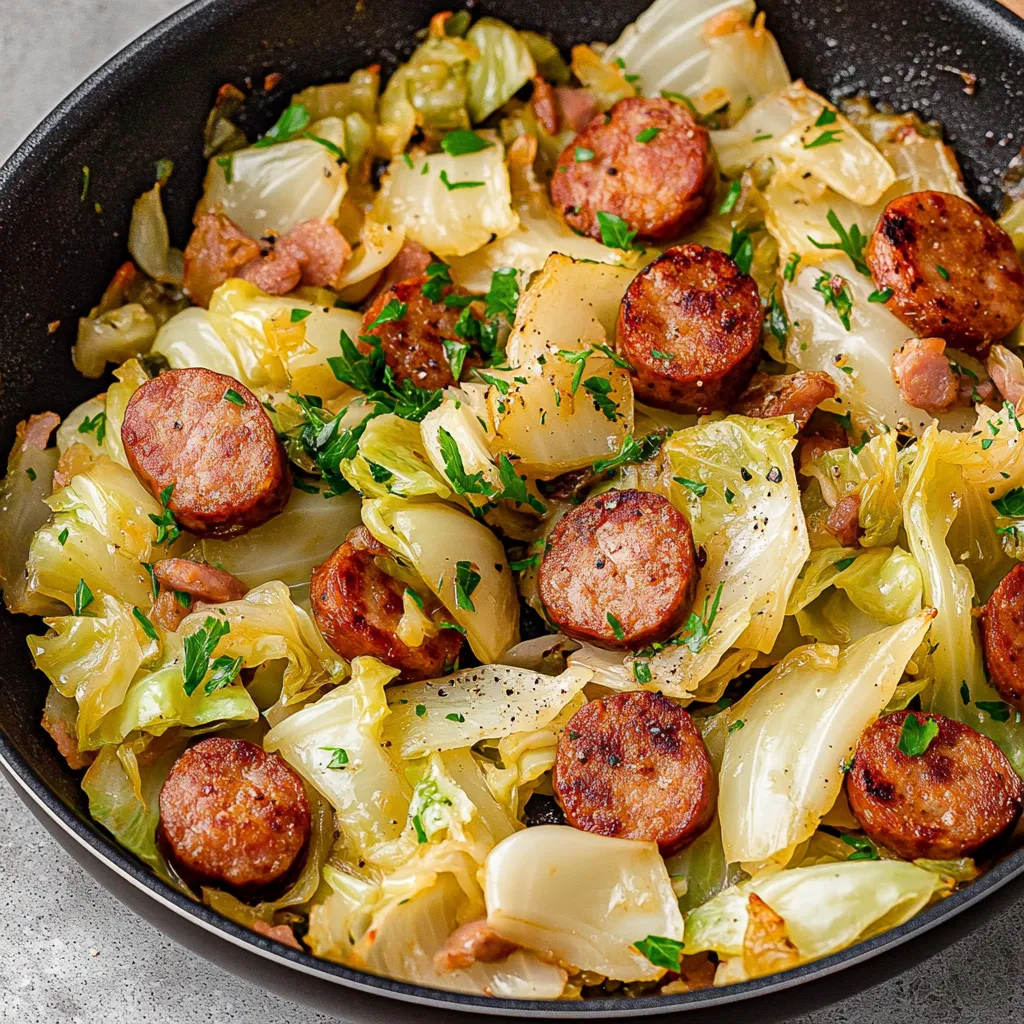
- Reduce the heat to medium-low. Add the remaining 1 tablespoon of cooking oil to the skillet and swirl to coat. Add all your sliced cabbage to the pan - it will look like a huge mountain that couldn't possibly fit, but it will wilt down significantly. Sprinkle 1 tablespoon of brown sugar, ½ teaspoon of salt (start conservatively), and several grinds of black pepper over the cabbage. Use tongs or a large spoon to toss everything together, coating the cabbage with the oil and seasonings. Let the cabbage cook, stirring every 2 to 3 minutes, for about 8 to 10 minutes total. You're watching for the cabbage to soften and wilt considerably while still maintaining some texture and crunch - it should be tender enough to bite through easily but not so soft that it's mushy or limp. The cabbage will reduce in volume by about half and some pieces will develop golden-brown spots from contact with the hot pan. Taste a piece and adjust the seasoning if needed - add more salt if it tastes flat, or add garlic powder, onion powder, or seasoned salt for more complexity.
- Finish and Combine:
- Once the cabbage is cooked to your liking - tender but with a slight bite - add 2 tablespoons of butter directly to the cabbage. Stir it through as it melts, coating all the cabbage pieces with glossy richness. The butter adds tremendous flavor and makes everything taste more luxurious. Now add the browned sausage slices back to the skillet, nestling them into the cabbage. Reduce the heat to low, cover the skillet with a lid, and let everything simmer together for 2 to 3 minutes. This allows the flavors to meld and ensures the sausage is heated through completely. The covered cooking also creates a bit of steam that finishes softening the cabbage.
- Serve:
- Remove the lid and give everything a final stir to distribute the sausage evenly through the cabbage. Transfer to a serving platter or bowl, or serve directly from the skillet if it's presentable. Garnish with chopped fresh parsley if using. Serve hot as a main dish for 2 to 3 people, or as a side dish for 4 to 6. This is delicious on its own as a low-carb meal, or served over rice, with crusty bread, alongside mashed potatoes, or with a simple green salad.
 Pin it
My husband claims he hates cabbage and refused to try this for the first three times I made it, insisting it would taste like the boiled cabbage his mother used to make. I finally convinced him to try one bite by not telling him what was in it first. After that first bite, he had seconds, then thirds, then asked what I'd done to make cabbage taste good. When I explained it was just properly cooked instead of boiled to death, he looked skeptical but has eaten it without complaint ever since. Now he'll even request "that cabbage thing" for dinner occasionally, though he still won't admit he actually likes cabbage as an ingredient.
Understanding Why Cabbage Gets a Bad Reputation
Cabbage has an undeserved reputation for being unpleasant, but most people's negative experiences come from poorly prepared cabbage rather than the vegetable itself. When you boil cabbage for extended periods - the traditional method in many cuisines - several things happen that make it unappealing. First, the cell walls completely break down, creating mushy texture with no bite. Second, prolonged cooking releases sulfur compounds that smell strongly and taste bitter. Third, boiling leaches out water-soluble nutrients and flavor, leaving bland, gray vegetables. Raw cabbage, on the other hand, is quite sweet and crunchy. Quickly sautéed cabbage maintains texture and sweetness while developing new flavors through caramelization. The key is cooking it just until tender but still with some crunch - usually 8 to 10 minutes for sliced cabbage in a hot pan. This method preserves the pleasant qualities while eliminating the sulfurous bitterness that develops with overcooking. The brown sugar in this recipe also helps by balancing any residual bitterness and enhancing the cabbage's natural sweetness.
The Role of Browning in Building Flavor
Browning the sausage first isn't just about aesthetics - it's a crucial flavor-building step. When protein-rich foods like sausage are exposed to high heat, the Maillard reaction occurs between amino acids and sugars, creating hundreds of new flavor compounds that taste savory, complex, and deeply meaty. This is what creates that delicious browned crust on steaks, the golden exterior on roasted chicken, or the caramelization on sausage. Without proper browning, sausage tastes milder and less interesting. The browned bits that stick to the pan, called fond, contain concentrated flavor that would be wasted if you wiped out the pan. Deglazing with liquid loosens these bits and incorporates them into the dish, ensuring all that flavor ends up in your food rather than stuck to the cookware. This is why restaurant food often tastes better than home cooking - professional cooks understand the importance of proper browning and deglazing, while home cooks often skip these steps or don't execute them properly.
Why This Works as a Low-Carb Meal
For people following low-carb or keto diets, finding satisfying meals that don't feel like deprivation can be challenging. This cabbage and sausage skillet succeeds because it's naturally low in carbohydrates - cabbage contains only about 5 grams of carbs per cup, most of which is fiber - while being filling and flavorful enough to satisfy. The sausage provides protein and fat that create satiety and prevent hunger soon after eating. The volume of cooked cabbage fills your stomach physically, triggering fullness signals. The rich flavors from browning, butter, and seasonings make it taste indulgent rather than like diet food. Unlike many low-carb meals that rely heavily on cheese or cream for satisfaction, this uses technique and proper seasoning to create appeal. The slight sweetness from brown sugar doesn't significantly impact carb count - just 3 grams for the entire recipe - but dramatically improves palatability. This is important because sustainable low-carb eating requires finding foods you actually want to eat, not just tolerate.
Choosing and Preparing Different Sausage Types
The type of sausage you choose significantly impacts the final flavor profile, so selecting based on your preference matters. Kielbasa (Polish sausage) is mildly flavored, smoky, and garlicky - it's a safe, crowd-pleasing choice. Andouille is spicier and more assertively seasoned with Cajun flavors, creating a bolder dish. Bratwurst is slightly sweet with herbs and spices, more delicate than other options. Chorizo adds paprika and chili heat with distinctive Spanish or Mexican flavors depending on the variety. Italian sausage brings fennel, garlic, and herbs, creating a different flavor direction. Breakfast sausage is usually milder and slightly sweeter. Hot dogs or frankfurters work in a pinch but have less complex flavor. All these sausages are pre-cooked, so browning them is purely for flavor development through caramelization, not food safety. Slice them thick enough (½-inch) that they develop good browning before the centers overcook. If using fresh, uncooked sausage instead of pre-cooked, cook it completely through before proceeding - it will take longer and release more fat that you'll need to drain.
Add-In Vegetables and Timing
While the basic recipe with just cabbage and sausage is delicious, adding other vegetables creates more complexity and nutrition. The key is adding each vegetable at the right time based on its cooking needs. Onions and bell peppers should be cooked right after removing the sausage, using the same hot pan. Sauté them for 5 to 7 minutes until soft before adding the cabbage. Garlic goes in toward the end of cooking the vegetables - just 1 minute before adding cabbage - because it burns easily. Potatoes need to be either pre-cooked or added very early. If using raw potatoes, dice them small (½-inch), add them with the cabbage, and extend cooking time by 5 to 10 minutes with the lid on to steam them tender. Green beans can be added with the cabbage if fresh, or during the last few minutes if frozen. Mushrooms should be cooked separately first to drive off their moisture, then added at the end. Tomatoes go in during the last few minutes to maintain their shape and add acidity. Adding too many vegetables at once can crowd the pan and create steaming instead of sautéing, so use a very large skillet or cook in batches if loading up on add-ins.
Storage, Reheating, and Meal Prep Applications
This cabbage and sausage keeps well for several days, making it excellent for meal prep or planned leftovers. Let the cooked dish cool to room temperature, then transfer to an airtight container and refrigerate for 2 to 3 days. The cabbage will continue softening slightly during storage and won't be quite as crisp after reheating, but the flavor actually improves as everything melds. To reheat, add the mixture to a skillet over medium-low heat with a splash of water or extra butter, stirring occasionally until heated through. Or microwave in a covered bowl, stirring halfway through. For meal prep, portion the cooled mixture into individual containers with your choice of sides - rice, quinoa, or cauliflower rice all work well. You can also use leftovers creatively - wrap them in tortillas for quick lunch wraps, add scrambled eggs for a breakfast hash, toss with pasta, or use as filling for egg rolls. The mixture freezes reasonably well for up to 2 months, though the cabbage texture will be softer after thawing - it's still perfectly edible and flavorful, just not as crisp.
Cultural Context and Similar Dishes
Cabbage and sausage combinations appear in cuisines around the world, reflecting the vegetables' affordability and availability. German cuisine features similar dishes with bratwurst and sauerkraut. Polish cooking includes kapusta with kielbasa. Irish colcannon combines cabbage and potatoes. Southern American soul food includes fried cabbage with smoked sausage. Cajun cuisine makes a spicier version with andouille. All these variations reflect the same principles - cabbage is inexpensive and shelf-stable, sausage is flavorful and filling, and together they create a satisfying meal from humble ingredients. These dishes became staples during times when meat was expensive and fresh vegetables were seasonal, allowing families to eat well on limited budgets. Today, even though we have access to more variety, these combinations persist because they're genuinely delicious when prepared properly. The key across all cultures is not overcooking the cabbage, using well-seasoned sausage, and building flavor through browning and proper technique rather than relying on expensive ingredients.
 Pin it
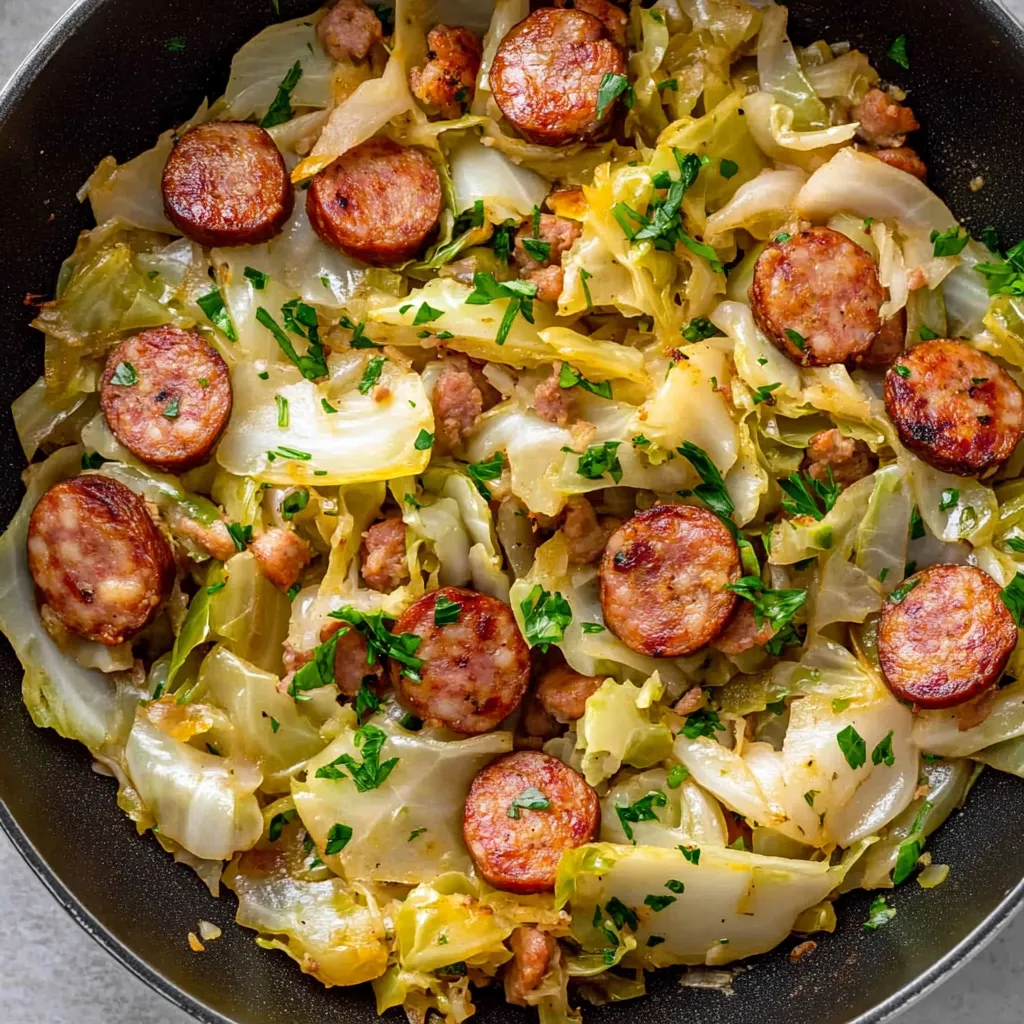
After making cabbage and sausage countless times over the past decade, it's become one of those reliable meals I make when I need dinner fast but don't want to sacrifice flavor or satisfaction. The ingredient list is simple enough that I usually have everything on hand without special shopping, and the cooking process is straightforward enough that I can make it while distracted by other tasks without risk of disaster. I appreciate how flexible it is - sometimes I keep it basic with just cabbage and sausage, other times I add whatever vegetables are lurking in the crisper drawer that need using up. The low-carb aspect means I can eat a huge portion without feeling heavy afterward, while the richness from butter and sausage prevents it from tasting like diet food. This represents exactly the kind of practical home cooking that makes everyday meals enjoyable - simple ingredients, minimal effort, maximum flavor, and enough flexibility to adapt to whatever your situation requires.
Frequently Asked Questions
- → What type of sausage works best for this recipe?
- Kielbasa, bratwurst, Italian sausage, andouille, or even breakfast sausage all work great. Pick whatever your family enjoys most.
- → How do I keep the cabbage from getting too soft?
- Cut the cabbage into thicker pieces, about 1½ inches, and cook it on medium-low heat. Stop cooking when it still has a slight crunch.
- → Can I make this in a slow cooker instead?
- Yes! Add everything except the parsley to your slow cooker, stir it up, and cook on high for 3-4 hours or low for 6 hours.
- → How long will leftovers last in the fridge?
- Store leftovers in a sealed container for up to 2-3 days. Add a splash of water or butter when reheating to freshen it up.
- → What should I serve with sausage and cabbage?
- This pairs perfectly with rice, egg noodles, mashed potatoes, or crusty bread. You can also enjoy it on its own as a complete meal.
- → Do I need to add salt if my sausage is already seasoned?
- Most sausages are pretty salty, so start with less salt than the recipe calls for. Taste as you go and add more if needed.