
 Pin it
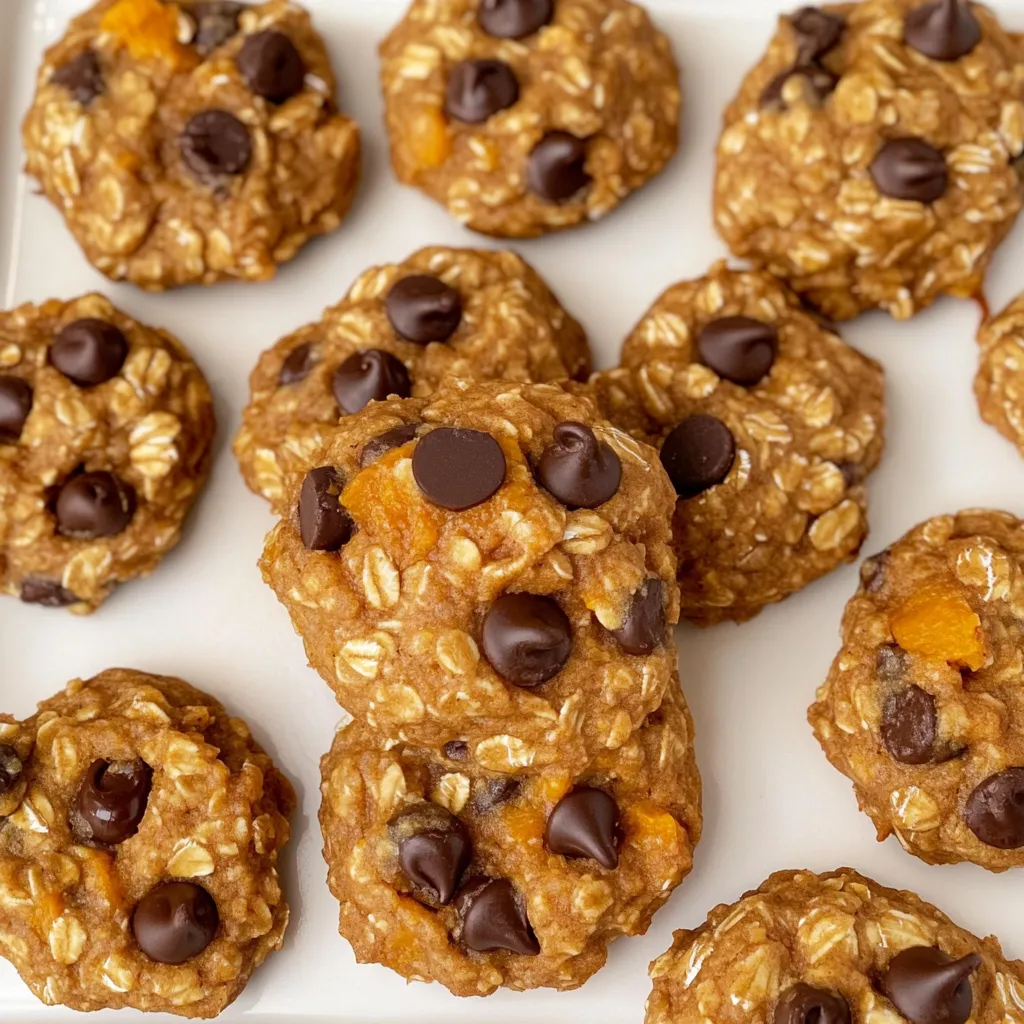
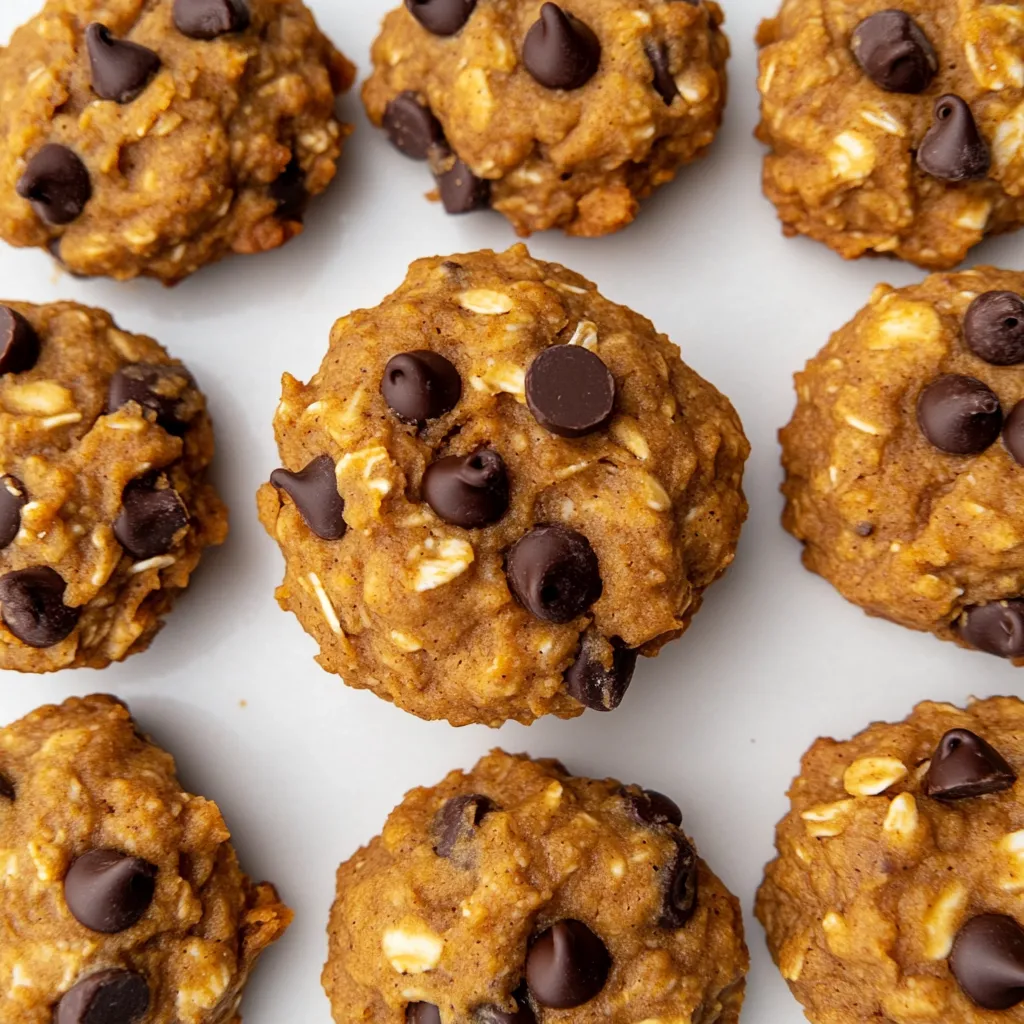
Sweet potato cookies sound like they should be weird or healthy in that disappointing way where desserts pretend to be treats but taste like vegetables, but these are actually soft, thick, genuinely sweet cookies that happen to contain sweet potato rather than being "sweet potato flavored" health food. The mashed sweet potato adds moisture and creates this incredible cake-like texture while contributing subtle earthy sweetness that works beautifully with cinnamon, nutmeg, and chocolate chips. What makes these particularly appealing is how they stay soft and almost fluffy for days thanks to the moisture from the sweet potato, unlike regular cookies that can get dry and crumbly after a day. The old-fashioned oats add chewy texture and make them feel substantial rather than insubstantial, while the chocolate chips provide familiar sweetness that makes these accessible even to people who are skeptical about vegetables in dessert. Chilling the dough before baking is essential for preventing them from spreading too thin and losing that thick, pillowy quality that makes them special.
I started making these about five years ago after I roasted sweet potatoes for dinner and had one leftover that I needed to use up. I'd been making pumpkin cookies for years but wanted something different, and sweet potato seemed like it would work similarly. The first batch turned out so well - soft, flavorful, not at all health-food tasting - that they became a regular fall baking project. My kids, who normally turn their noses up at anything that sounds healthy, had no idea these contained vegetables until I mentioned it after they'd each eaten three. Now they specifically request "those orange cookies" without caring what's in them.
Ingredients and What Makes Them Essential
- Mashed Sweet Potato (1 cup, cooked and mashed): Sweet potato provides moisture, natural sweetness, and creates that tender, cake-like texture. Use freshly cooked sweet potato that you mash yourself rather than canned, which contains excess water that makes the dough too wet. The potato should be completely smooth without lumps. One medium-large sweet potato yields about 1 cup mashed.
- Old-Fashioned Rolled Oats (1½ cups): Regular rolled oats add chewy texture and make the cookies more substantial. Don't substitute quick oats or instant oats, which are too fine and partially cooked already - they'll make the cookies mushy instead of chewy. Steel-cut oats are too hard and won't soften properly during baking.
- All-Purpose Flour (1½ cups): Flour provides structure. Use the spoon-and-level method to measure - spoon flour into your measuring cup and level it off with a knife rather than scooping directly from the bag, which packs in too much flour and makes cookies dry.
- Light Brown Sugar (¾ cup, packed): Brown sugar adds sweetness with subtle molasses notes that complement sweet potato beautifully. Pack it firmly into your measuring cup for accurate measurement. The molasses also adds moisture.
- Unsalted Butter (½ cup, 1 stick, softened): Butter adds richness and helps create tender texture. It must be softened to room temperature so it creams properly with the sugar. Leave it out for about an hour before starting, or cut it into small pieces to speed softening.
- Large Egg (1, room temperature): Egg binds everything together and adds richness. Room temperature eggs incorporate more easily into the dough than cold eggs. If your egg is cold, place it in warm water for 5 minutes to warm it up.
- Pure Vanilla Extract (1 teaspoon): Vanilla enhances all the other flavors and adds aromatic sweetness. Use pure vanilla extract, not imitation, which tastes artificial.
- Ground Cinnamon (1 teaspoon): Cinnamon adds warm, spicy flavor that's classic with sweet potato. Use relatively fresh cinnamon that's still aromatic - old cinnamon tastes like dust.
- Ground Nutmeg (¼ teaspoon): Nutmeg provides subtle warm spice. Just a small amount adds complexity without overwhelming. Freshly grated nutmeg tastes better than pre-ground if you have it.
- Baking Soda (½ teaspoon): Baking soda provides leavening and helps the cookies spread slightly and rise. Make sure it's relatively fresh - old baking soda loses its power.
- Salt (¼ teaspoon): Salt balances sweetness and makes all the other flavors taste more pronounced. Don't skip it or your cookies will taste flat.
- Semi-Sweet Chocolate Chips (1 cup): Chocolate chips add familiar sweetness and make these feel more like dessert than health food. You can substitute white chocolate, butterscotch chips, or even chopped nuts if preferred.
Step-by-Step Instructions
- Prepare the Sweet Potato:
- If you haven't already cooked your sweet potato, do this first so it has time to cool. The easiest method is to peel one large sweet potato, cut it into 1-inch cubes, and steam them in a steamer basket over boiling water for about 15 to 20 minutes until they're completely tender when pierced with a fork. Alternatively, you can bake a whole sweet potato at 400°F for about 45 to 60 minutes until soft, then scoop out the flesh. Once cooked, transfer the potato pieces to a bowl and mash them thoroughly with a fork or potato masher until completely smooth with no lumps. You can also puree in a food processor for ultra-smooth texture. Measure out 1 cup of the smooth mashed sweet potato and let it cool to room temperature before proceeding. If it's still warm, it will melt the butter in your dough.
- Mix the Dry Ingredients:
- In a medium mixing bowl, combine 1½ cups of old-fashioned rolled oats, 1½ cups of all-purpose flour, 1 teaspoon of ground cinnamon, ¼ teaspoon of ground nutmeg, ½ teaspoon of baking soda, and ¼ teaspoon of salt. Use a whisk or fork to stir everything together thoroughly, making sure all the spices are evenly distributed and there are no clumps. Set this bowl aside - you'll add it to the wet ingredients later.
- Cream the Butter and Sugar:
- In a large mixing bowl using an electric hand mixer, or in the bowl of a stand mixer fitted with the paddle attachment, beat ½ cup of softened butter and ¾ cup of packed light brown sugar together on medium speed for about 2 to 3 minutes. You want the mixture to become lighter in color and fluffy in texture. Scrape down the sides of the bowl with a spatula as needed to make sure everything gets incorporated. This creaming process incorporates air into the butter, which helps create tender cookies.
- Add the Wet Ingredients:
- Add 1 egg to the creamed butter and sugar mixture and beat on medium speed until fully incorporated, about 30 seconds. Add 1 cup of cooled mashed sweet potato and 1 teaspoon of vanilla extract. Beat on medium speed for about 1 minute until everything is completely combined and uniform in color. The mixture should look smooth and orange-colored. Scrape down the sides and bottom of the bowl to make sure everything is mixed.
- Combine Wet and Dry:
- Add your bowl of dry ingredients (the oat-flour mixture) to the bowl with the wet ingredients. Use a spatula or wooden spoon to stir everything together, mixing just until the dry ingredients are fully incorporated and you don't see any streaks of flour. Don't overmix - once everything looks uniform, stop stirring. Overmixing develops gluten and makes cookies tough. The dough will be quite thick and sticky, which is exactly right.
- Add Chocolate Chips:
- Sprinkle 1 cup of chocolate chips over the dough. Gently fold them in using a spatula, stirring just enough to distribute them throughout the dough. You want chips in every cookie but you don't want to overwork the dough.
- Chill the Dough:
- Cover your bowl of dough tightly with plastic wrap or a lid. Transfer it to the refrigerator and chill for at least 1 hour, though 2 to 3 hours is even better. You can also make the dough a day ahead and refrigerate it overnight. This chilling step is crucial - it firms up the dough so the cookies maintain their thick shape instead of spreading thin and flat during baking. Cold dough also allows the oats to absorb moisture, which improves texture.
- Prepare to Bake:
- When you're ready to bake, preheat your oven to 350°F and position racks in the upper and lower thirds of the oven. Line two large baking sheets with parchment paper or silicone baking mats. This prevents sticking and makes cleanup easier.
- Shape and Bake:
- Remove your chilled dough from the refrigerator. Using a cookie scoop or tablespoon, scoop portions of dough - about 1½ tablespoons each - and drop them onto your prepared baking sheets. Space them about 2 inches apart because they will spread slightly during baking. You should get about 24 cookies total. Don't flatten the dough balls - leave them as rounded mounds. The dough will be quite stiff and cold, which is perfect. Slide both baking sheets into your preheated oven. Bake for 9 to 11 minutes, rotating the pans and switching their positions (top to bottom, bottom to top) halfway through to ensure even baking. The cookies are done when they've puffed up slightly, look set around the edges, and are lightly golden on the bottoms. The tops might still look slightly underdone, which is fine - they'll continue cooking as they cool. Don't overbake or they'll be dry instead of soft.
- Cool:
- Remove the baking sheets from the oven and let the cookies cool on the pans for about 5 minutes. This cooling time allows them to firm up enough to move without falling apart. After 5 minutes, use a spatula to transfer them to a wire cooling rack. Let them cool completely before storing. The cookies will seem quite soft when you first remove them from the oven, but they'll firm up as they cool to that perfect soft, cake-like texture.
 Pin it
My sister is extremely health-conscious and usually turns her nose up at baked goods, claiming they're "empty calories." When I brought these cookies to a family dinner and mentioned they contained sweet potato and oats, she reluctantly tried one, expecting it to taste like those terrible protein cookies that are dry and barely sweet. After eating the whole thing, she asked for another and then quietly requested the recipe before leaving. She later admitted she'd been eating them for breakfast all week, which from her health-food perspective was apparently acceptable because of the vegetables and whole grains. Getting the healthy eating person to voluntarily eat cookies feels like winning something.
Understanding How Sweet Potato Affects Cookie Texture
Sweet potato behaves differently in baked goods than other common cookie ingredients, and understanding why helps you appreciate what makes these cookies special. Unlike butter or oil which are pure fat, sweet potato contains water, fiber, natural sugars, and starch. The water content adds moisture that keeps cookies soft for days - as the cookies cool and sit, that moisture continues to hydrate the flour and oats, preventing them from drying out. The fiber adds structure and substance, creating a more cake-like crumb than traditional cookies. The natural sugars in sweet potato contribute sweetness while the starches help bind everything together. Sweet potato also contains pectin, which helps cookies maintain structure without being tough. The vegetable's natural density means these cookies are thicker and more substantial than standard drop cookies. This is similar to how pumpkin or banana work in baked goods - the fruit or vegetable moisture creates tender texture while adding flavor and nutritional value. The key is using the right amount - too much sweet potato makes cookies wet and heavy, too little and you lose the beneficial moisture.
The Science of Chilling Cookie Dough
Chilling cookie dough serves multiple purposes that significantly impact the final product. First, cold butter in the dough takes longer to melt during baking, which slows spreading and allows cookies to maintain thickness instead of becoming flat and crispy. Second, chilling gives the flour time to fully hydrate as it absorbs moisture from the wet ingredients, which creates better texture. Third, it allows the oats to soften as they absorb liquid, which improves their chewiness in the finished cookies. Fourth, chilling relaxes the gluten that developed during mixing, making cookies more tender. Fifth, cold dough holds its shape better when scooped, creating more uniform cookies. For these sweet potato cookies specifically, chilling is especially important because the dough is quite wet from the mashed potato. Without chilling, that moisture would make the dough spread excessively during baking. An hour is the minimum chilling time, but overnight is even better because it gives more time for hydration and flavor development.
Why These Cookies Stay Soft
The extended softness of these cookies comes from several factors working together. Sweet potato's high moisture content provides water that keeps the cookies from drying out as quickly as butter-based cookies do. The brown sugar, which contains molasses, is hygroscopic - meaning it attracts and holds onto moisture from the air, keeping cookies soft. The egg also adds moisture and fat. The ratio of wet to dry ingredients is carefully balanced to create soft texture without making cookies cakey or falling apart. Proper baking time is crucial - underbaking slightly leaves more moisture in the cookies, while overbaking drives out too much water and makes them dry. Storing cookies properly in an airtight container prevents moisture from escaping. The combination of all these elements means these cookies remain pleasantly soft and tender for 3 to 4 days at room temperature, while typical chocolate chip cookies start drying out after a day.
The Role of Oats in Cookie Texture
Old-fashioned rolled oats contribute significantly to these cookies' distinctive texture and make them more satisfying than cookies made with only flour. Oats are whole grain flakes that have been steamed and rolled flat. When incorporated into cookie dough, they maintain their shape and create chewy pockets of texture throughout. As the cookies bake, the oats soften from the moisture in the dough but retain some structural integrity, creating that characteristic chewiness. They also absorb liquid, which means they help prevent cookies from being too wet or spreading too much. Oats add fiber and protein, making cookies more filling and nutritious. The slightly nutty flavor of oats complements sweet potato beautifully. Using old-fashioned rolled oats rather than quick oats is important because quick oats are cut smaller and partially cooked, so they become mushy rather than chewy during baking. Steel-cut oats are too hard and won't soften enough in the relatively short baking time. The oats also contribute to visual appeal, creating interesting texture on the cookie surface.
Make-Ahead and Storage Strategies
These cookies and the dough are both excellent for advance preparation, which makes them perfect for busy schedules or gift-giving. For make-ahead dough, prepare it completely through the chilling step, then keep it refrigerated for up to 3 days before baking. The extended chilling actually improves flavor as everything melds. For longer storage, scoop the chilled dough into balls, freeze them on a baking sheet until solid, then transfer to a freezer bag for up to 3 months. Bake from frozen, adding 1 to 2 minutes to the baking time. For baked cookies, let them cool completely, then store in an airtight container at room temperature for up to 3 days. They're still good after that but start to dry out. For longer storage, freeze baked cookies in a single layer on a baking sheet until solid, then transfer to a freezer bag or container for up to 2 months. Thaw at room temperature for about 30 minutes before eating. The cookies retain their soft texture remarkably well after freezing and thawing. For gift-giving, these ship well because they're sturdy and stay soft, making them better than delicate cookies that crumble during transport.
Creative Variations and Add-Ins
While the chocolate chip version is delicious, this sweet potato cookie base works with countless variations. For nut lovers, add ½ cup of chopped toasted pecans or walnuts for crunch and rich flavor. For spice cookies, increase the cinnamon and nutmeg, add ginger and cloves, and skip the chocolate chips. For white chocolate cranberry cookies, substitute white chocolate chips for semi-sweet and add dried cranberries. For breakfast cookies, increase the oats, add dried fruit, and reduce sugar slightly. For peanut butter sweet potato cookies, add ½ cup of peanut butter to the wet ingredients and use peanut butter chips. For maple sweet potato cookies, replace half the brown sugar with maple syrup and add maple extract. For coconut lovers, add shredded coconut and use butterscotch chips. For a fall harvest version, add pumpkin pie spice and dried apple pieces. The basic formula is flexible enough to accommodate whatever additions appeal to you, just don't add so much extra that you throw off the wet-to-dry ratio.
Nutritional Considerations and "Healthy" Claims
Calling these cookies "healthy" is a stretch, but they're certainly healthier than standard cookies, and understanding why helps justify eating them. Sweet potatoes are incredibly nutritious - high in fiber, vitamin A, vitamin C, and potassium. They're also naturally sweet, which means you need less added sugar than you would otherwise. Oats provide whole grain fiber, protein, and various nutrients. Together, the sweet potato and oats mean these cookies offer actual nutritional value rather than being empty calories. The cookies do still contain butter, sugar, and white flour, so they're not health food. But they fall into that middle category of baked goods that provide some nutrition along with indulgence. Eating one for breakfast with coffee isn't unreasonable - you're getting fiber, complex carbohydrates, and some protein along with your treat. They're substantially more nutritious than a donut or pastry. For people trying to eat healthier without feeling deprived, these represent a reasonable compromise between nutrition and enjoyment.
Troubleshooting Common Problems
When these cookies don't turn out right, there's usually a fixable cause. If they're flat and spread too much, you didn't chill the dough long enough or your butter was too soft - chill longer next time. If they're dry and crumbly, you overbaked them or used too much flour - reduce baking time and measure flour accurately. If they're gummy in the center, you underbaked them or used sweet potato that was too wet - bake longer and make sure your mashed sweet potato is relatively thick. If they taste bland, you didn't use enough spices or vanilla - increase seasonings. If they're too cakey, you overmixed the dough which developed too much gluten - mix just until combined. If they're too dense, you used quick oats instead of old-fashioned - always use rolled oats. If they stick to the pan, you didn't use parchment paper or silicone mats - always line your pans. Most issues come down to dough temperature, baking time, or ingredient ratios, all adjustable for next time.
 Pin it
After making sweet potato cookies dozens of times over the past several years, they've become one of my favorite fall baking projects because they're unique enough to feel special but familiar enough that everyone actually eats them. I appreciate how they use up leftover roasted sweet potatoes, turning something that might otherwise languish in the refrigerator into dessert. The fact that they stay soft for days means I can bake a batch and have cookies ready all week without needing to bake fresh constantly. Knowing they contain actual vegetables and whole grains makes eating them feel slightly less indulgent, which is probably silly but still factors into my decision to have one with my morning coffee. These represent exactly what I want from holiday baking - something delicious and comforting that's also practical and not too fussy to make repeatedly.
Frequently Asked Questions
- → Can I use canned sweet potato for these cookies?
- Yes, canned sweet potato works great. Just make sure to drain it well and mash it smooth before adding to the dough.
- → Why do I need to chill the cookie dough?
- Chilling helps the cookies keep their thick shape and prevents them from spreading too flat in the oven. It also makes the dough easier to scoop.
- → Can I freeze this cookie dough?
- Absolutely! Scoop the dough into balls, freeze them on a tray, then store in a freezer bag for up to 3 months. Bake from frozen, adding 1-2 extra minutes.
- → How should I store these cookies?
- Keep them in an airtight container at room temperature for up to 5 days. They stay nice and soft thanks to the sweet potato.
- → Can I leave out the chocolate chips?
- Sure! You can skip the chocolate chips or swap them for raisins, dried cranberries, or chopped nuts if you prefer.
- → Do these cookies taste like sweet potato?
- Not really. The sweet potato adds moisture and a subtle sweetness, but the cinnamon, nutmeg, and chocolate flavors come through more.