
 Pin it
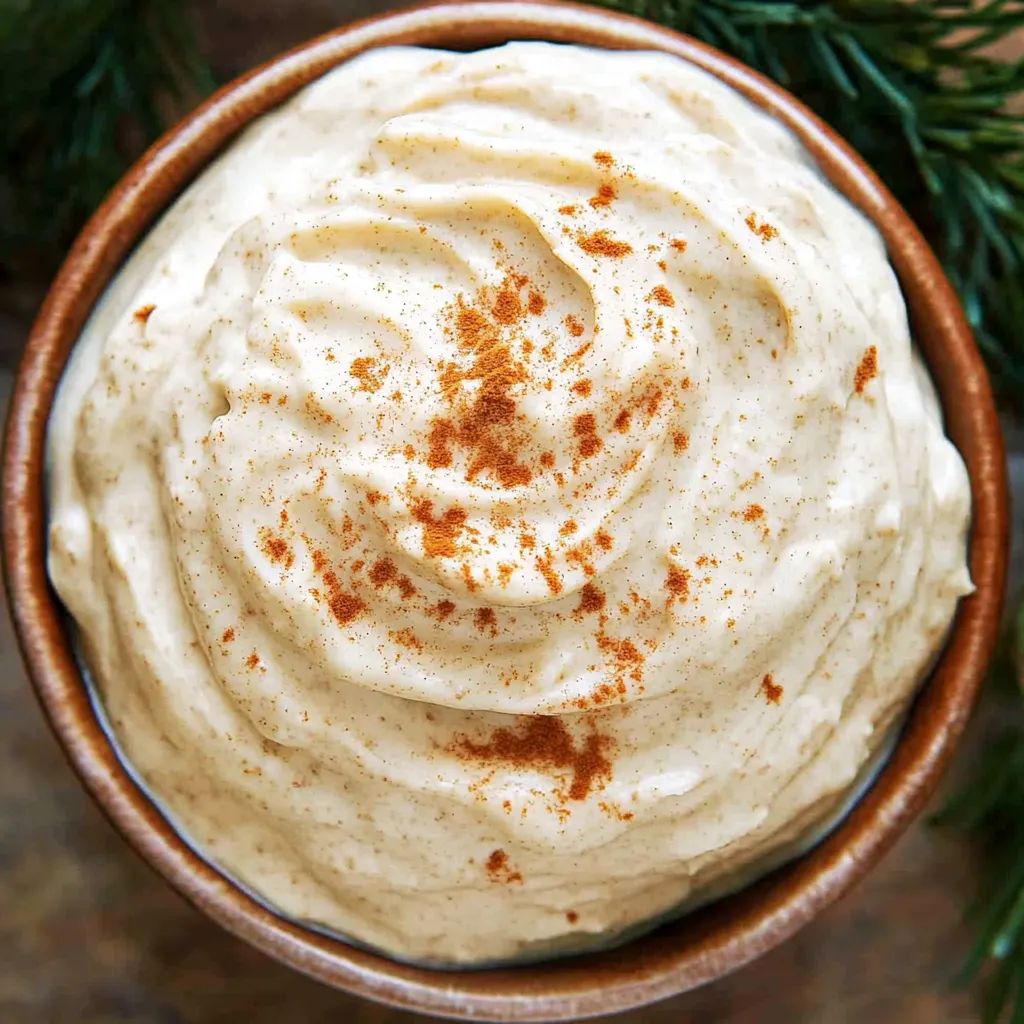
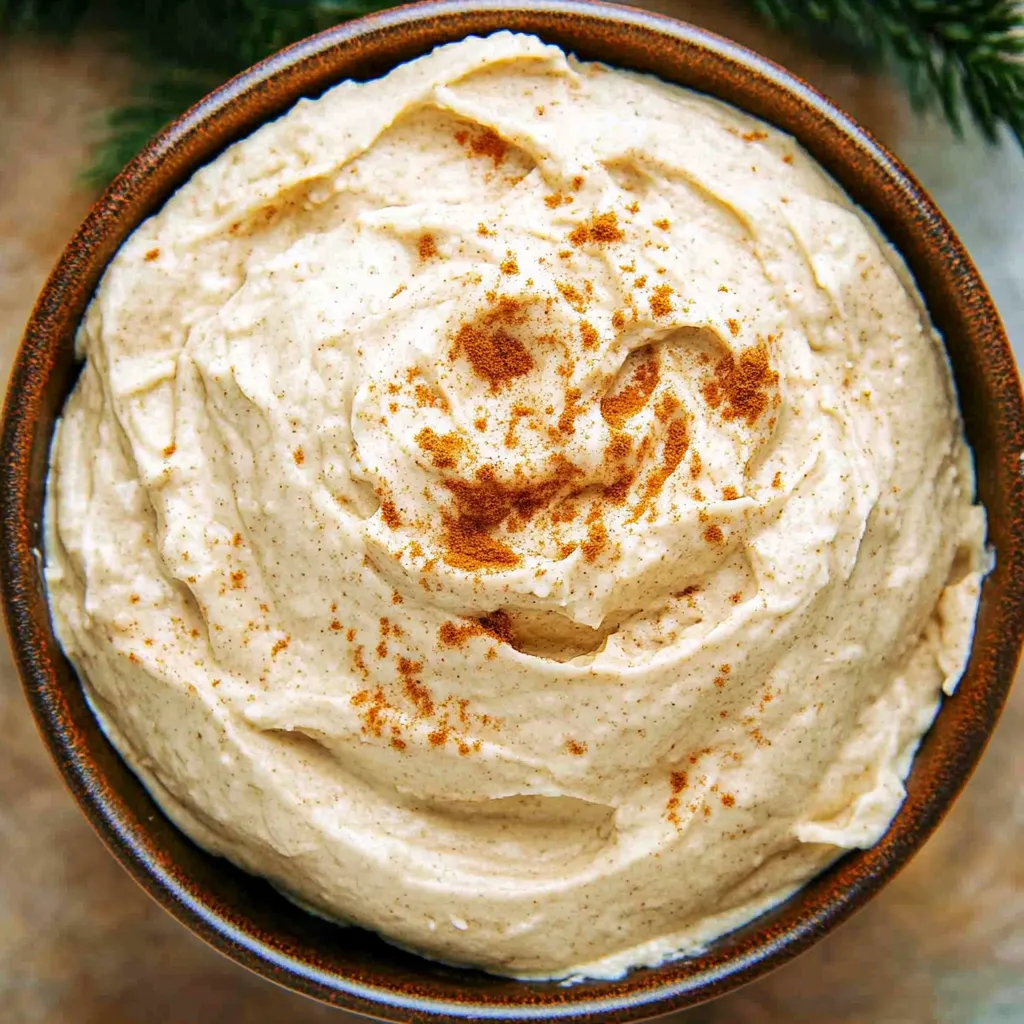
Whipped gingerbread butter is one of those simple preparations that transforms plain butter into something special through nothing more than beating it with an electric mixer until fluffy, then incorporating molasses, powdered sugar, and warm spices like cinnamon, ginger, cloves, and nutmeg until you have this spreadable, sweet, aromatic compound butter that tastes like gingerbread in spreadable form. The whipping process incorporates air into the butter, doubling its volume and creating light, fluffy texture that's easier to spread than regular butter straight from the refrigerator. What makes this particularly appealing is how it elevates everyday foods - toast, pancakes, waffles, muffins - into something that feels festive and indulgent, and how it works equally well as a last-minute homemade gift when packed into small jars with ribbon and a handwritten label.
I started making flavored compound butters about eight years ago after buying a jar of cinnamon honey butter at a specialty store and being shocked by the twelve-dollar price for what was basically butter mixed with spices. The first batch of gingerbread butter I made didn't whip properly because I used butter straight from the refrigerator, and it never became fluffy despite minutes of beating. After learning that room temperature butter is essential for incorporating air, and that whipping it first before adding other ingredients creates the best texture, it became foolproof. Now I make it every holiday season because it's one of those small luxuries that makes regular breakfast feel special.
Ingredients and What Makes Them Essential
- Unsalted Butter (1 cup, 2 sticks, at room temperature): Butter is the base ingredient. It must be at proper room temperature - soft enough to leave a deep indent when pressed but not greasy or melting. Room temperature is essential for whipping. Use unsalted so you control salt levels.
- Powdered Sugar (½ cup): Powdered sugar dissolves completely into the butter, creating smooth sweetness without graininess. Don't substitute granulated sugar unless you blend it into powder first - regular granulated creates gritty texture. Sift the powdered sugar if lumpy.
- Molasses (3 tablespoons): Molasses provides the essential gingerbread flavor and deep brown color. Use unsulphured molasses, not blackstrap which is too bitter. Molasses also adds moisture that keeps the butter smooth.
- Ground Cinnamon (1 teaspoon): Cinnamon provides warm, sweet spice that's essential to gingerbread flavor.
- Ground Ginger (½ teaspoon): Ginger adds the characteristic sharp, spicy bite that defines gingerbread.
- Ground Cloves (¼ teaspoon): Just a pinch of cloves adds aromatic depth. Don't use more or it becomes overwhelming.
- Ground Nutmeg (¼ teaspoon): Nutmeg contributes warm, slightly sweet notes. Freshly grated tastes better than pre-ground.
- Salt (¼ teaspoon): Salt enhances all the flavors and balances sweetness. If using salted butter, reduce or omit this.
Note: If you have pumpkin pie spice, you can substitute 2 teaspoons of pumpkin pie spice for all the individual spices.
Step-by-Step Instructions
- Prepare the Butter:
- Remove 1 cup of butter from the refrigerator and let it sit at room temperature for about 30 to 45 minutes until properly softened. The butter should be soft enough that when you press your finger into it, it leaves a deep indent but your finger doesn't sink all the way through. If the butter is too cold, it won't whip properly. If it's too warm and greasy, it won't hold air. Room temperature is crucial.
- Whip the Butter:
- Place the softened butter in the bowl of a stand mixer fitted with the paddle attachment, or in a large bowl if using a hand mixer. Beat on medium-high speed for about 3 to 5 minutes until the butter is noticeably lighter in color, fluffy, and has doubled in volume. Stop the mixer occasionally to scrape down the sides of the bowl. The butter should look pale and airy - this whipping process incorporates air that creates the light, spreadable texture.
- Add Sugar and Molasses:
- Add ½ cup of powdered sugar and 3 tablespoons of molasses to the whipped butter. Beat on low speed initially to prevent sugar from flying everywhere, then increase to medium speed and beat for about 1 to 2 minutes until completely smooth and well combined. The mixture will look smooth and creamy with a light brown color from the molasses. Scrape down the sides and bottom of the bowl to ensure everything is evenly mixed.
- Add Spices:
- Add 1 teaspoon of cinnamon, ½ teaspoon of ginger, ¼ teaspoon of cloves, ¼ teaspoon of nutmeg, and ¼ teaspoon of salt (if using). Beat on medium speed for another 1 to 2 minutes until all the spices are completely incorporated and the butter is uniform in color with no visible streaks. Taste and adjust spices if desired - you might want more cinnamon or ginger depending on preference.
- Transfer and Store:
- Transfer the whipped gingerbread butter to an airtight container, glass jar with tight-fitting lid, or small mason jars if giving as gifts. Smooth the top with a spatula. Cover tightly and refrigerate. The butter will firm up in the refrigerator but will remain more spreadable than regular butter because of the incorporated air.
- To Shape Into a Log (Optional):
- If you prefer a log shape for easy slicing, scoop all the whipped butter onto a large piece of plastic wrap. Use the plastic wrap to shape the butter into a log about 2 inches in diameter, rolling and pressing to form an even cylinder. Twist the ends of the plastic wrap to seal. Refrigerate until firm, at least 2 hours. When ready to use, simply slice off pats of the flavored butter.
- Serve:
- Let the butter sit at room temperature for about 10 minutes before serving to soften slightly for easier spreading. The whipped texture means it spreads more easily than regular butter even when cold.
 Pin it
My sister who claims she doesn't understand the point of "fancy butter" and insists regular butter is fine tried gingerbread butter on pancakes at a holiday brunch without knowing what it was. She ate the entire stack and asked what made the butter taste so good, clearly expecting some complicated answer. When I told her it was just butter whipped with molasses and spices, she looked annoyed that something so simple could be so much better than plain butter. Now she requests it for family breakfasts. Converting the plain-butter-only person through flavored compound butter feels like a small victory.
Understanding Compound Butter and Whipping
Compound butter is simply butter mixed with other ingredients - herbs, spices, honey, citrus, whatever flavors you want. The French call it "beurre composé" and use it extensively to add flavor to dishes. Whipping the butter before adding other ingredients serves multiple purposes beyond just mixing. When you beat room temperature butter at high speed, you're incorporating thousands of tiny air bubbles into the fat. These air bubbles get trapped in the butter's structure, creating light, fluffy texture. The incorporated air doubles the volume, making the butter go further. It also makes the butter easier to spread even when cold because the air pockets create a softer structure. If you simply stirred ingredients into butter without whipping, you'd have dense, hard compound butter that's difficult to spread. Whipped compound butter is luxurious and spreadable.
Why Room Temperature Matters
The instruction to use room temperature butter isn't preference - it's essential to successful whipping. Butter is an emulsion of butterfat, water, and milk solids. At cold temperatures (below 60°F), the butterfat is solid and rigid. No amount of beating will incorporate air into solid fat - you'll just break your mixer trying. At proper room temperature (65-70°F), the butterfat softens enough to be pliable and workable. The mixer's beaters can create air pockets that the soft-but-not-liquid fat can hold. If butter gets too warm (above 75°F), it becomes greasy and can't hold air because the structure breaks down. The butter for this recipe should be soft enough to easily press your finger into, but not so soft it's shiny, greasy, or losing its shape. This usually requires about 30-45 minutes at room temperature.
The Role of Molasses in Gingerbread Flavor
Molasses is what makes this taste specifically like gingerbread rather than just spiced butter. Molasses is a byproduct of sugar refining with deep, complex flavor - slightly bitter, earthy, with caramel notes. Unsulphured molasses (the most common type) has robust but not harsh flavor. Blackstrap molasses (a later extraction) is too bitter for this application. The molasses provides the characteristic dark color and the deep, almost smoky sweetness that defines gingerbread. Combined with the warm spices, it creates authentic gingerbread flavor. The molasses also adds moisture that keeps the whipped butter from being too dry or crumbly. Don't substitute honey, maple syrup, or corn syrup - none provide the same flavor profile that makes this taste like gingerbread.
Spice Ratios and Balance
The combination of cinnamon, ginger, cloves, and nutmeg in specific proportions creates authentic gingerbread spice blend. Cinnamon (1 teaspoon) provides the bulk of warm spice flavor. Ginger (½ teaspoon) adds the characteristic sharp bite. Cloves (¼ teaspoon) contribute aromatic depth - use sparingly because cloves are very strong and can be overwhelming. Nutmeg (¼ teaspoon) adds warm, slightly sweet notes. These proportions create balanced flavor where no single spice dominates. You can adjust to preference - more ginger for sharper bite, more cinnamon for sweeter warmth - but the ratios provide good starting point. Using pumpkin pie spice (which contains similar spices) simplifies measuring but gives slightly different flavor because commercial blends vary in their proportions.
Storage, Freezing, and Shelf Life
Whipped gingerbread butter stores well with proper handling. Store in an airtight container or jar with tight-fitting lid in the refrigerator for up to 2 weeks. The butter will firm up when cold but remains more spreadable than regular butter due to incorporated air. For longer storage, shape into a log as described, wrap tightly in plastic wrap, then wrap again in foil. Freeze for up to 3 months. Thaw overnight in the refrigerator before using. Don't freeze in a jar which may crack from expansion. The molasses and spices act as mild preservatives, extending shelf life slightly beyond plain butter. Always use clean utensils when scooping to prevent contamination. If the butter develops off odors or visible mold, discard it.
Serving Suggestions and Uses
Whipped gingerbread butter works beautifully in numerous contexts beyond just spreading on toast. For breakfast, serve on pancakes, waffles, French toast, English muffins, bagels, or biscuits. For baking, use it on warm muffins, scones, quick breads, or cornbread. For desserts, dollop on warm apple pie, pumpkin pie, bread pudding, or gingerbread cake. For sweet and savory combinations, spread on sweet potato fries, roasted carrots, or winter squash. For sandwiches, spread on bread for turkey or ham sandwiches with cream cheese. For gifts, pack into 4-ounce mason jars, tie with ribbon, attach a tag with serving suggestions and storage instructions, and include a small loaf of homemade bread or package of scones. Calculate about 1-2 tablespoons per serving.
Variations and Flavor Profiles
While gingerbread is delicious, you can create other flavored compound butters using the same technique. For cinnamon honey butter, whip butter with honey, cinnamon, and vanilla. For maple pecan butter, add maple syrup and finely chopped toasted pecans. For orange butter, add orange zest and powdered sugar. For chocolate butter, add cocoa powder and powdered sugar. For herb butter, add fresh minced herbs, garlic, and lemon zest. For strawberry butter, add freeze-dried strawberry powder and powdered sugar. Each variation follows the same method: whip butter until fluffy, add flavorings, whip until combined. The key is always starting with properly softened butter and whipping it first before adding other ingredients.
Troubleshooting Common Problems
When whipped gingerbread butter doesn't turn out right, there's usually a fixable cause. If butter won't whip and become fluffy, it's too cold - let it come to proper room temperature and try again. If it's greasy and won't hold shape, the butter was too warm - refrigerate for 10 minutes then try whipping again. If texture is grainy, you used granulated sugar instead of powdered - blend the sugar first or use powdered. If it tastes too spicy or bitter, you used too many cloves or used blackstrap molasses - reduce cloves and use regular molasses. If it separates into liquid and solids, the butter was too warm when mixed - refrigerate and re-whip. If it's too stiff when cold, you didn't whip enough air into it - let it soften at room temperature before serving. Most issues relate to butter temperature or whipping technique.
 Pin it
After making various flavored compound butters probably a hundred times over the past eight years, whipped gingerbread butter has become my favorite holiday version because it captures authentic gingerbread flavor in a spreadable form that makes regular breakfast feel festive. I appreciate how five minutes of mixing creates something that lasts for weeks and makes people genuinely excited about butter. The ability to pack it into jars as last-minute homemade gifts removes stress from holiday shopping while still feeling thoughtful. Knowing the simple secrets - room temperature butter, whip first, use powdered sugar - transforms something that could be mediocre into something genuinely special. This represents exactly what simple preparations should be - minimal ingredients elevated through proper technique, practical enough to make regularly, special enough to gift, and delicious enough that plain butter feels boring in comparison once you've tried the flavored version.
Frequently Asked Questions
- → Can I make this ahead of time?
- Yes, you can make it up to a week ahead. Store it in an airtight container in the fridge and let it soften at room temperature before serving.
- → Does the butter need to be at room temperature?
- Yes, soft butter is important for getting that light, fluffy texture. Leave it out for about an hour before you start.
- → What can I serve this on?
- It's great on pancakes, waffles, toast, biscuits, muffins, scones, or even sweet breads. Use it anywhere you'd normally use regular butter.
- → How long does it keep in the refrigerator?
- It will stay fresh for up to two weeks in the fridge when stored in a sealed container.
- → Can I use salted butter instead?
- You can, but skip the pinch of salt in the recipe since salted butter already has enough. Unsalted butter gives you better control over the final taste.
- → Can I freeze this butter?
- Absolutely. Shape it into a log, wrap it well, and freeze for up to three months. Slice off what you need and thaw in the fridge.