
 Pin it
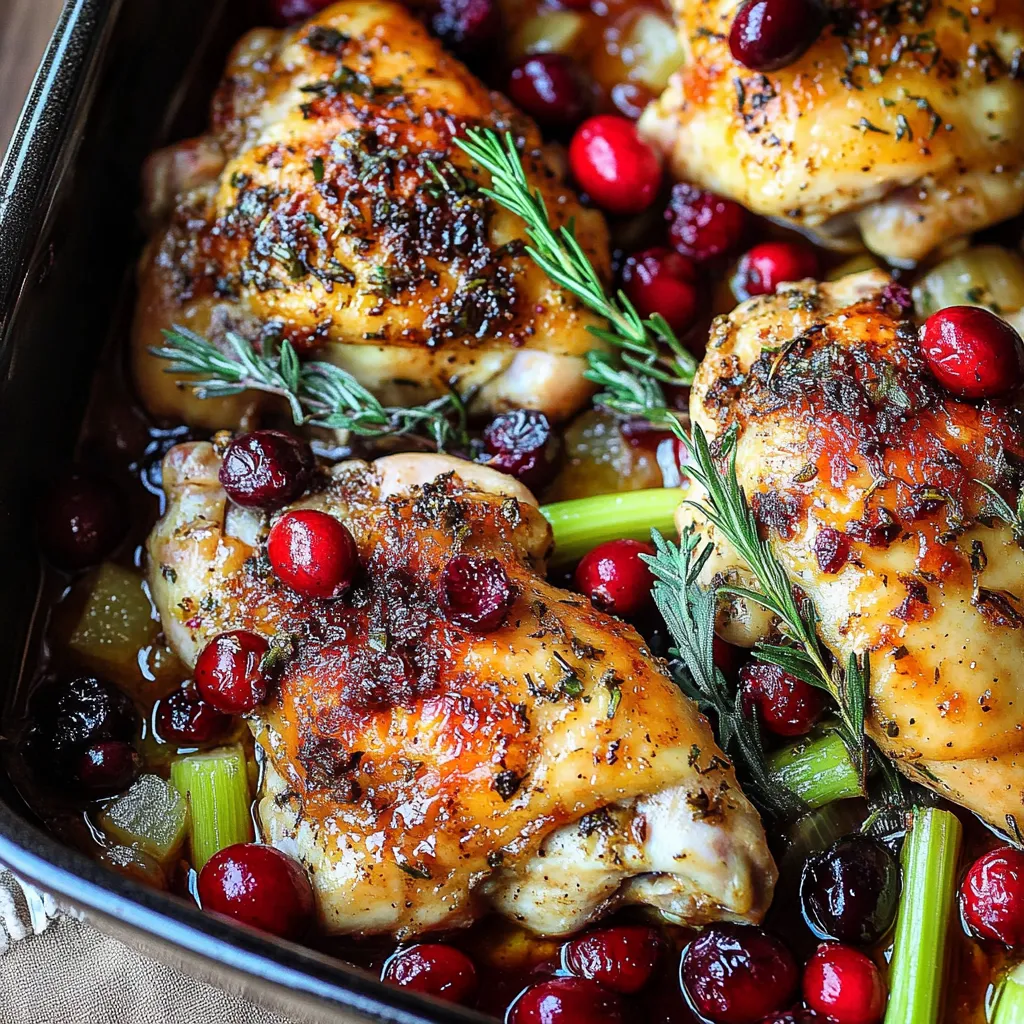
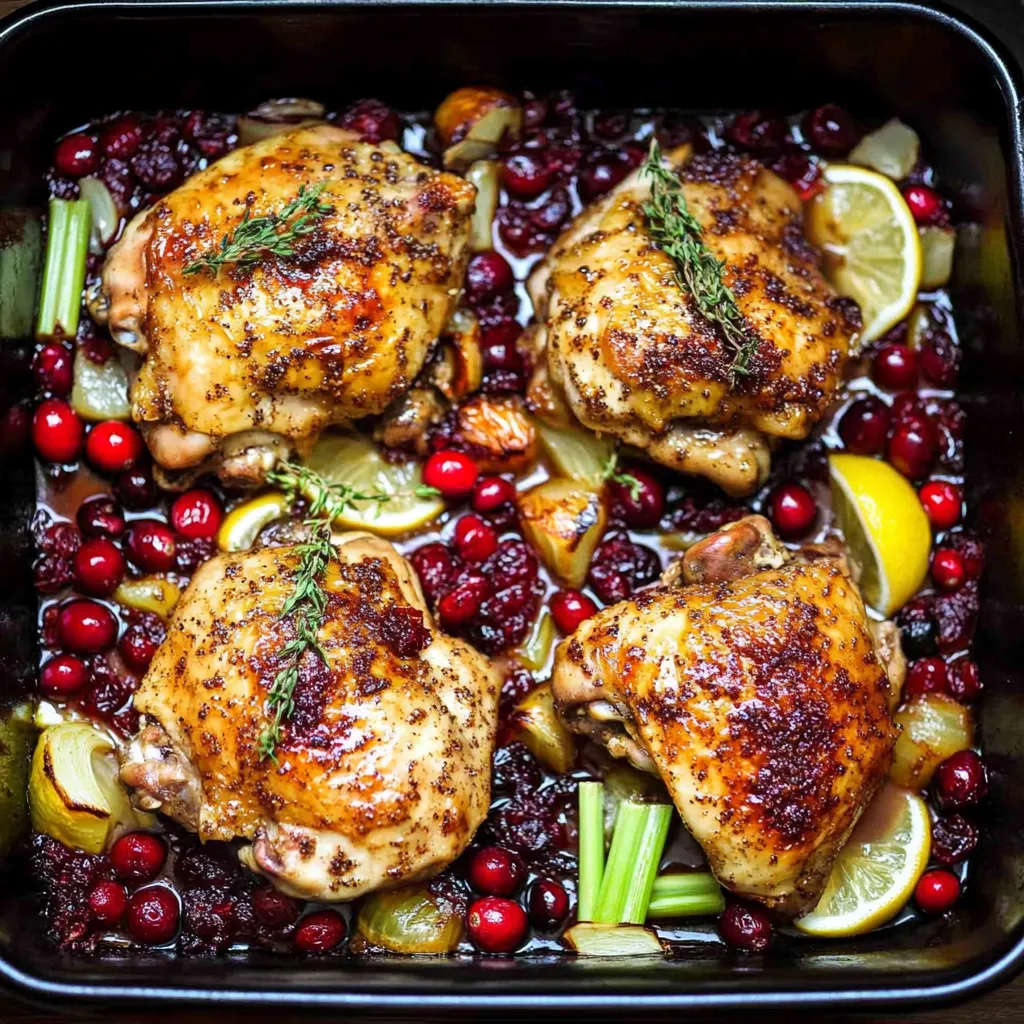
This cranberry chicken transforms simple bone-in chicken pieces into a stunning, festive centerpiece through the magic of sweet-tart cranberries, aromatic rosemary, and generous garlic that caramelize together in the oven. Fresh cranberries get tossed with brown sugar and vinegar to tame their harsh tartness, then scatter over seasoned chicken that's been quickly seared for golden, crispy skin. As everything bakes together, the cranberries burst and release their juices, mingling with chicken drippings, wine vinegar, and broth to create a vibrant sauce that's both tangy and savory. The finished dish looks absolutely gorgeous with jewel-toned cranberries contrasting against golden-brown chicken, making it impressive enough for holiday entertaining yet simple enough for regular weeknight dinners.
I discovered this recipe when I was looking for something that felt holiday-special but didn't require the commitment of roasting a whole bird or spending hours in the kitchen. The first time I made it, I was genuinely surprised by how much the simple combination of cranberries, garlic, and rosemary tasted elevated and sophisticated rather than like something thrown together quickly. The way the sugared cranberries soften and burst during baking, creating this gorgeous ruby sauce that coats the chicken and vegetables, is almost magical. Now I make this for every holiday gathering and special dinner throughout fall and winter because it never fails to impress guests who assume I've done something far more complicated than I actually have. The fact that most of the cooking happens unattended in the oven while I'm free to make sides or visit with family makes it infinitely more practical than recipes that require constant tending.
Ingredients and What Makes Them Essential
- Fresh cranberries (2 cups): These tart, jewel-toned berries are the star ingredient that provides both visual drama and bright, tangy flavor that balances the rich chicken. Fresh cranberries are ideal because they hold their shape during baking and have superior texture and flavor compared to frozen, which can become mushy and watery. Look for firm, bright red berries without soft spots or shriveling. The cranberries release their juices as they bake, creating sauce while some remain intact for textural interest. Frozen cranberries can substitute if fresh aren't available—just use them straight from the freezer without thawing to minimize excess moisture.
- Brown sugar (⅓ cup): Sugar tames the cranberries' harsh natural tartness and helps them caramelize slightly during baking, creating complex sweet-tart flavor rather than face-puckeringly sour. Brown sugar specifically adds subtle molasses notes that taste more sophisticated than white sugar's one-dimensional sweetness. The sugar also draws out the cranberries' juices through osmosis, helping create the sauce that forms during baking. Don't skip or drastically reduce the sugar thinking you'll make it healthier—the cranberries need this sweetening to be palatable.
- White wine vinegar (3 tablespoons total, divided): Vinegar provides bright acidity that balances the richness of the chicken and prevents the dish from tasting heavy or one-dimensional. One tablespoon goes with the sugared cranberries to enhance their tartness, while two tablespoons go in the marinade to tenderize the chicken slightly and add tangy depth. White wine vinegar has clean, bright flavor, though champagne vinegar or apple cider vinegar substitute perfectly if that's what you have. The acidity also helps the chicken brown better during searing by drying the skin slightly.
- Bone-in, skin-on chicken pieces (6 pieces, about 3 pounds): Using bone-in, skin-on chicken is essential for both flavor and texture—the bones contribute rich flavor to the pan sauce while keeping the meat juicy, and the skin becomes deliciously crispy during searing and baking. A combination of breasts and thighs works beautifully and provides options for people with different preferences—breasts for those who prefer white meat, thighs for dark meat lovers. The mix also creates visual variety on the platter. Choose pieces that are roughly similar in size so they cook at the same rate.
- Garlic (6 to 8 cloves, minced): A generous amount of fresh garlic provides pungent, aromatic complexity that's essential to the dish's bold flavor profile. Mincing the garlic finely helps it distribute evenly when you rub it on the chicken, and pushing some under the skin ensures the meat itself gets seasoned rather than just the surface. Fresh garlic is dramatically better than jarred or powdered in this application where it's so prominent. The garlic mellows and sweetens as it roasts, losing its raw bite and becoming almost creamy.
- Fresh rosemary (1½ tablespoons chopped, or 1½ teaspoons dried): Rosemary's piney, aromatic flavor is classic with poultry and complements the cranberries beautifully without competing. Fresh rosemary has more vibrant flavor and aroma than dried, though dried works in a pinch using about one-third the amount. Strip the leaves from the woody stems and chop them finely so the sharp needles distribute evenly. Rosemary and cranberries together create that quintessential holiday aroma that makes your kitchen smell incredible.
- Sweet paprika (1 teaspoon): Paprika adds subtle sweetness, beautiful red color, and mild peppery flavor without heat. It helps the chicken develop gorgeous golden-brown color during cooking and contributes to the overall flavor complexity. Sweet paprika specifically is important—smoked paprika would overpower the delicate cranberry flavor, while hot paprika would add unwanted heat. Hungarian sweet paprika is ideal if you can find it, though any sweet paprika works.
- Extra virgin olive oil (⅓ cup plus 1 tablespoon): High-quality olive oil enriches the marinade, helps the seasonings adhere to the chicken, and contributes fruity, peppery flavor that enhances rather than masks the other ingredients. Use good olive oil since the flavor comes through clearly—this isn't the place for cheap, bland oil. The additional tablespoon is for searing the chicken to prevent sticking and promote browning. Olive oil with robust flavor and slight pepperiness works especially well with the bold garlic and rosemary.
- Lemon (1 whole): The entire lemon gets used—juice provides bright acidity that balances richness and enhances flavors, while the halved, juiced lemon rinds add aromatic, slightly bitter citrus notes as they roast with the chicken. The oils in lemon peel contribute complexity that juice alone can't provide. Choose a lemon that feels heavy for its size, which indicates juiciness. Roll it firmly on the counter before cutting to release more juice.
- Yellow onion (1 medium, chopped): Onion provides aromatic foundation and sweet-savory depth that supports the other flavors without dominating. As the onion cooks in the pan juices, it softens completely and contributes natural sweetness that balances the tart cranberries. Chop it into roughly ½-inch pieces so it cooks through without turning to mush. Yellow onions are ideal because they have the right balance of sweetness and sharpness.
- Celery (3 stalks, chopped): Celery adds subtle vegetal notes, pleasant crunch that softens during cooking, and aromatic complexity that makes the dish taste more sophisticated. The mild flavor supports the other ingredients while the celery releases moisture that contributes to the pan sauce. Chop it into pieces similar in size to the onion for even cooking. Don't skip the celery even if you're not a fan raw—cooked celery becomes mellow and contributes essential aromatic depth.
- Chicken broth (½ cup): Adding liquid to the baking dish creates steam that keeps the chicken moist during cooking while providing base for the sauce that forms from cranberry juices and chicken drippings. Chicken broth adds savory depth, though water works if that's all you have—the chicken will create enough flavor on its own. Low-sodium broth gives you better control over the final salt level. Homemade stock is ideal but not necessary.
Step-by-Step Instructions
- Prepare the sugared cranberries:
- In a small bowl, combine the fresh cranberries, brown sugar, and one tablespoon of white wine vinegar. Stir everything together thoroughly so the cranberries are evenly coated with the sugar and vinegar. Set this mixture aside at room temperature while you prepare the chicken. The sugar will start drawing out the cranberries' juices through osmosis, and the vinegar will begin softening them slightly. This maceration process helps tame their harsh tartness and prepares them to burst beautifully during baking.
- Season the chicken generously:
- Remove the chicken pieces from any packaging and pat them completely dry with paper towels—this is crucial for achieving crispy skin during searing. In a small bowl, combine the minced garlic, chopped rosemary, paprika, and generous pinches of salt and black pepper—start with about one teaspoon of salt and half a teaspoon of pepper. Rub this aromatic mixture all over both sides of each chicken piece, pressing it firmly into the meat so it adheres well. For maximum flavor, carefully lift the skin on each piece without tearing it and push some of the seasoning mixture directly onto the meat underneath. This ensures the flesh itself gets seasoned rather than just the skin and creates more complex flavor throughout.
- Create the marinade:
- In a large bowl or deep baking dish big enough to hold all the chicken pieces, combine the olive oil, chopped celery, chopped onion, and the remaining two tablespoons of white wine vinegar. Cut your lemon in half and squeeze both halves over the bowl, extracting as much juice as possible. Use your fingers to catch any seeds that fall. After squeezing, drop both of the juiced lemon halves right into the marinade—they'll roast with the chicken and contribute aromatic citrus oils. Stir everything together to combine the marinade ingredients.
- Marinate the chicken briefly:
- Add all the seasoned chicken pieces to the bowl with the marinade. Use your hands to toss and turn the chicken, working the vegetables and liquid all around each piece and making sure everything is evenly coated. Let the chicken sit in this marinade at room temperature for about 15 minutes while your oven preheats. This brief marinating time allows the flavors to begin penetrating the meat and the vinegar to tenderize the surface slightly. Don't marinate longer than 30 minutes or the acid can start breaking down the meat's texture too much.
- Preheat and prepare for cooking:
- While the chicken marinates, position an oven rack in the center and preheat to 425°F—this high temperature ensures the chicken cooks through while the cranberries caramelize and the skin stays crispy. Lightly oil a baking dish large enough to hold all six chicken pieces without excessive crowding—a 9x13-inch dish works well, or you can use a large roasting pan. Set the prepared dish aside near the stove where you'll be searing.
- Sear the chicken for crispy skin:
- This step is technically optional but highly recommended because it dramatically improves both flavor and texture. Heat one tablespoon of olive oil in a large skillet over medium-high heat until it shimmers and flows easily across the pan. Remove the chicken from the marinade, shaking off excess liquid but leaving the vegetables and lemon halves in the bowl. Place the chicken pieces skin-side down in the hot skillet—work in batches if necessary to avoid overcrowding, which would cause steaming instead of searing. Let the chicken cook undisturbed for about 7 minutes until the skin releases easily from the pan and has turned deeply golden brown and crispy. Flip each piece and cook the other side for about 5 minutes until browned. Transfer the seared chicken pieces to your prepared baking dish as they finish, arranging them skin-side up.
- Layer everything in the baking dish:
- Once all the chicken is seared and in the baking dish, add the onions, celery, and lemon halves from the marinade, distributing them around and between the chicken pieces. Pour any remaining liquid from the marinade over everything. Add the chicken broth or water, pouring it around the chicken rather than directly over the skin, which would make it soggy. Finally, scatter the sugared cranberries evenly over the entire dish, letting them nestle between the chicken pieces and vegetables. Some cranberries will sit on top of the chicken, which is perfect—they'll create beautiful presentation and flavor.
- Bake until perfectly done:
- Transfer the assembled baking dish to your preheated 425°F oven and bake for 35 to 40 minutes. You'll know it's done when the chicken reaches an internal temperature of 165°F when tested with an instant-read thermometer in the thickest part without touching bone, the juices run clear when pierced, and the skin is deeply golden and crispy. The cranberries should have burst and released their juices, creating a ruby-red sauce that pools around the chicken and vegetables. The kitchen will smell absolutely incredible—sweet cranberries, aromatic rosemary, roasted garlic, and browned chicken all mingling together.
- Rest and serve:
- Remove the baking dish from the oven and let it rest for about 5 minutes before serving. This brief resting period allows the juices to redistribute throughout the meat, ensuring it stays moist when cut. Transfer the chicken pieces to a serving platter and spoon the cranberries, vegetables, and all those delicious pan juices generously over the top. Make sure each serving gets plenty of the sauce—it's intensely flavorful and too good to waste. Serve immediately while hot, with crusty bread, focaccia, or rice on the side to soak up the incredible sauce. Garnish with fresh rosemary sprigs if desired for extra visual appeal.
 Pin it
The technique that made the biggest difference in my results was learning to actually achieve proper browning during the searing step rather than just briefly cooking the skin. My first attempts, I was too impatient and flipped the chicken after just 3 to 4 minutes when it was barely golden, thinking that was enough. The skin never got genuinely crispy and the flavor wasn't as deep and complex. Once I learned to wait the full 7 minutes and resist the urge to move or flip the chicken prematurely, letting it develop that rich, dark golden-brown color, the improvement was dramatic. The skin became shatteringly crisp, the chicken had more complex flavor from proper Maillard reaction, and the visual appeal increased significantly. Now I'm patient with that searing step, waiting until the skin releases naturally from the pan and shows deep color before flipping, and my cranberry chicken consistently turns out with restaurant-quality crispy skin that makes people ask how I achieved it.
Understanding Bone-In Chicken Cooking
Bone-in, skin-on chicken pieces cook differently than boneless, skinless cuts and offer distinct advantages that justify the slightly higher price and longer cooking time. The bones act as heat conductors, transferring heat to the meat from the inside while also protecting it from overcooking. This means bone-in chicken stays juicier and more flavorful than boneless cuts, which can dry out quickly. The bones also contribute gelatin and flavor to the pan juices as they cook, creating richer, more satisfying sauce than boneless chicken produces.
The skin serves multiple purposes beyond just becoming deliciously crispy. During cooking, the fat in and under the skin renders out and bastes the meat continuously, keeping it moist and adding flavor. The skin also acts as a protective barrier that prevents the meat from drying out from direct oven heat. Leaving the skin on means you get that beloved crispy texture while ensuring the meat underneath stays tender and juicy. For maximum crispiness, the skin must start relatively dry—this is why patting it thoroughly with paper towels before seasoning is important.
The combination of dark and white meat in this recipe provides options for different preferences while also creating more forgiving cooking. Dark meat (thighs and drumsticks) contains more fat and connective tissue, which means it's nearly impossible to overcook and actually benefits from slightly longer cooking times. White meat (breasts) is leaner and can dry out if overcooked, but cooking it on the bone with skin helps protect it. Using a mix of both means everyone gets what they prefer, and the varied cooking times balance out so everything finishes at roughly the same time.
The Role of Acid in Cooking
The vinegar and lemon juice in this recipe serve multiple purposes beyond just adding tangy flavor, and understanding these functions helps you appreciate why they're essential rather than optional. Acid tenderizes meat by beginning to break down muscle fibers and proteins, which is why the chicken sits in the acidic marinade for 15 minutes. Too much acid or too long marinating would create mushy texture, but this brief exposure tenderizes the surface while leaving the interior firm.
Acid also helps the chicken skin crisp up better during cooking by drying it slightly and helping render fat more efficiently. The vinegar in the marinade works almost like a brine, drawing moisture to the surface where it evaporates during searing, leaving behind seasoning and creating conditions for better browning. This is why chicken that's been marinated often develops better color and crispier skin than chicken that goes straight into the pan.
In the finished dish, the acid from the vinegar, lemon, and cranberries balances the richness of the chicken fat and creates brightness that prevents the sauce from tasting heavy or one-dimensional. Fat and acid work together to create balanced flavor—the fat carries flavor and creates richness, while the acid cuts through that richness and makes individual flavors pop. Without adequate acid, this dish would taste cloying and monotonous despite having good ingredients. The cranberries specifically contribute malic acid, which has a different flavor profile than the acetic acid in vinegar or citric acid in lemon, creating layered acidity that tastes complex rather than simply sour.
Customization and Variation Ideas
While the recipe as written is wonderful, several variations can adapt it to different tastes or occasions without losing the essential character that makes it special. For a spicier version, add red pepper flakes or diced jalapeño to the sugared cranberries, which creates sweet-heat contrast that's incredibly addictive. A teaspoon of Dijon mustard whisked into the marinade adds tangy complexity and helps the seasonings adhere to the chicken better.
Fresh herbs beyond rosemary work beautifully—thyme has similar woody, aromatic qualities that pair well with cranberries, while sage adds earthy, slightly peppery notes perfect for fall flavors. You could use a combination of rosemary and thyme, or substitute sage entirely for different but equally delicious results. Fresh oregano is another option that creates Mediterranean-inspired flavors. Just maintain roughly the same total amount of herbs.
For people who find cranberries too tart even with the sugar, you can add dried cranberries along with the fresh ones—the dried cranberries are pre-sweetened and add chewy texture while mellowing the overall tartness. Orange juice and zest can replace the lemon for sweeter, more mellow citrus flavor that's slightly less acidic. This creates a cranberry-orange combination that's very traditional and appealing. Adding a cinnamon stick to the baking dish creates subtle warm spice notes without being obviously cinnamon-flavored.
 Pin it
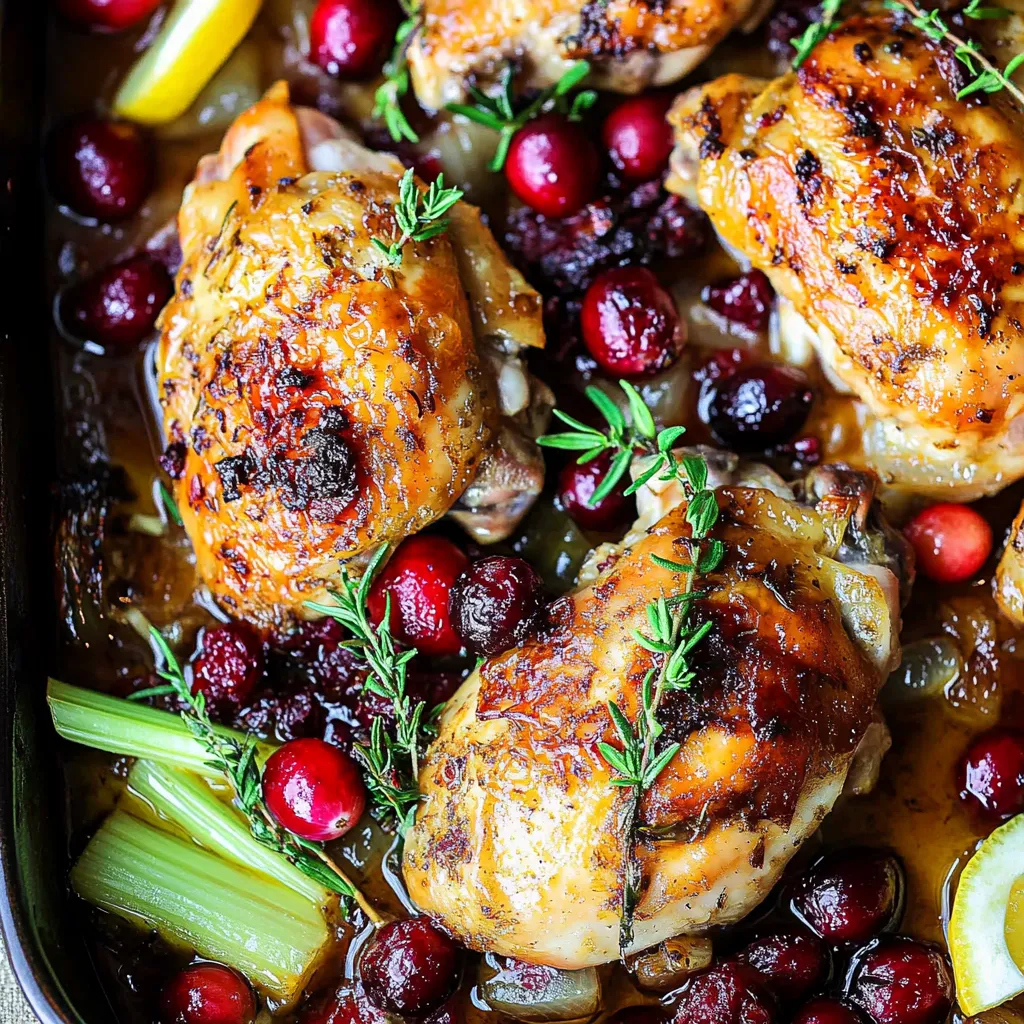
This cranberry chicken has become my signature dish for fall and winter entertaining because it delivers genuine wow-factor presentation and sophisticated flavors without requiring professional skills or expensive ingredients. The dramatic contrast of jewel-red cranberries against golden chicken never fails to impress guests, yet the actual technique is straightforward enough that I can make it while simultaneously preparing other components of the meal without stress. I love that it works equally well for casual family dinners and formal holiday gatherings—it's fancy enough to serve company but simple enough to make on a random Tuesday when I want something special. The way the cranberries burst and mingle with chicken drippings to create that gorgeous, flavorful sauce is almost magical, and serving it with crusty bread for soaking up every drop makes the meal feel complete and satisfying. Once you taste how the sweet-tart cranberries balance the rich, garlicky chicken while rosemary ties everything together with aromatic warmth, and you see how stunning the finished dish looks on the platter, you'll understand why this recipe has earned permanent status in my entertaining repertoire and why I've made it dozens of times without ever getting tired of the incredible flavor combination.
Frequently Asked Questions
- → Can I use chicken breasts instead of bone-in pieces?
- Yes, but boneless thighs work better than breasts. Brown them for 2 minutes per side and bake for about 25 minutes instead of 40.
- → Do I have to use fresh cranberries?
- Fresh cranberries taste best, but frozen ones work just fine. No need to thaw them first, just toss them with the sugar and vinegar.
- → Can I make this ahead of time?
- You can season and marinate the chicken in the fridge for up to 4 hours before cooking. The sugared cranberries can also sit longer for more flavor.
- → What can I serve with this chicken?
- It pairs well with rice, mashed potatoes, roasted vegetables, or a simple green salad. The pan juices make a great sauce for whatever side you choose.
- → How do I know when the chicken is fully cooked?
- The internal temperature should reach 165°F, and the juices should run clear when you pierce the thickest part. Bone-in pieces usually take 35-40 minutes at 425°F.
- → Can I skip the searing step?
- You can, but searing creates a crispy golden skin and adds extra flavor. If you skip it, just add a few minutes to the baking time.