
 Pin it
These dill pickle tofu bites deliver crispy exteriors and tender interiors with bold, briny, tangy pickle flavor that makes them irresistibly snackable. Torn tofu pieces get tossed in pickle brine and a savory seasoning blend of garlic powder, dried dill, and salt, then coated in cornstarch before baking until golden and crunchy. The pickle juice infuses the tofu with that signature sweet-salty-tangy flavor while the cornstarch creates a satisfyingly crispy coating that holds up beautifully for dipping in vegan ranch or other creamy sauces. These nuggets are incredibly easy to make with just seven ingredients and about 40 minutes from start to finish, making them perfect for parties, snacking, or as a protein-packed topping for salads and grain bowls.
I'll admit I was skeptical about tofu trying to taste like pickles, but these surprised me so much that they've become one of my most-made snacks. The pickle brine genuinely infuses the tofu with tangy, briny flavor while the cornstarch creates that addictive crispy coating that makes you reach for just one more piece. The first time I made these for a party, I watched confirmed tofu skeptics devour them while asking what they were made from, which is the ultimate compliment. Now I keep a batch in my refrigerator constantly because they're so convenient for quick protein when I need it, and I've converted multiple people who claimed they didn't like tofu. The fact that they require minimal ingredients and come together so quickly makes them practical for regular cooking rather than just special occasions.
Ingredients and What Makes Them Essential
- Extra firm tofu (14 to 16 ounces, pressed): Extra firm or super firm tofu contains minimal water and has dense, meaty texture that holds up to tossing in brine and baking without falling apart. The firm texture also creates better contrast with the crispy coating than softer tofu varieties. Pressing the tofu removes excess moisture that would prevent crisping and dilute the pickle flavor—wrap the block in a clean kitchen towel, place something heavy on top, and let it drain for 15 to 30 minutes before using. The drier the tofu, the better it will absorb the pickle brine and crisp up during baking.
- Cornstarch (¼ cup): Cornstarch is the secret ingredient that creates incredibly crispy coating on baked tofu. The starch absorbs surface moisture and forms a light, crunchy crust during high-heat baking that's similar to frying but without oil. Cornstarch produces crispier results than regular flour or other starches. Tapioca starch or arrowroot powder can substitute but won't crisp quite as dramatically. The cornstarch also helps the seasonings adhere to the tofu pieces.
- Garlic powder (1 teaspoon): Garlic powder adds savory depth and aromatic quality that complements the pickle flavor without being overwhelming. The powder distributes evenly throughout the coating and doesn't add moisture like fresh garlic would. Use garlic powder specifically rather than garlic salt, which would make the coating too salty combined with the pickle brine.
- Dried dill (2 teaspoons): Dried dill provides the characteristic herbal, slightly grassy flavor that defines dill pickles. The dried herb distributes evenly in the cornstarch coating and intensifies during baking. Dried dill is more concentrated than fresh and holds up better to heat without losing flavor. This is essential for achieving authentic pickle taste—don't skip it or substitute with other herbs.
- Salt (½ teaspoon): Salt enhances all the other flavors and balances the tanginess of the pickle brine. Even though the brine contains salt, the coating needs additional seasoning to taste properly balanced rather than one-dimensional. The amount seems small but is appropriate since the pickle juice contributes significant saltiness already.
- Pickle brine (3 tablespoons): The liquid from a jar of dill pickles is the star ingredient that provides authentic pickle flavor—salty, tangy, slightly sweet, and briny all at once. The brine infuses into the tofu during tossing and optional marinating, creating genuine pickle taste without requiring actual pickles. Use brine from quality dill pickles rather than cheap ones, which taste more vinegary and one-dimensional. The brine is a brilliant use for something most people discard, and it contains all the seasonings that flavored the pickles.
- Neutral oil (1 tablespoon): Oil helps the tofu brown and crisp during baking while contributing to golden color and preventing sticking. It also helps the cornstarch coating adhere better. Use neutral-tasting oil like vegetable, canola, or avocado oil rather than olive oil, which would add competing flavor. The oil can be omitted for oil-free versions, though the tofu won't brown as deeply or crisp quite as well.
Step-by-Step Instructions
- Press and prepare the tofu:
- Start by pressing your tofu to remove as much excess moisture as possible, which is crucial for achieving crispy results. Drain the tofu from its package and wrap the entire block in a clean kitchen towel or several layers of paper towels. Place the wrapped tofu on a plate and set something heavy on top—a cast iron skillet, large cookbook, or several cans all work well. Let it press for 15 to 30 minutes, which allows gravity and pressure to squeeze out the water. The longer you press, the drier the tofu becomes and the better it will crisp. While the tofu presses, position an oven rack in the upper third of the oven and preheat to 400°F—this high temperature and top rack position encourage maximum crisping.
- Mix the seasoned coating:
- In a small bowl, whisk together the cornstarch, garlic powder, dried dill, and salt until everything is evenly distributed with no clumps of cornstarch remaining. Set this seasoning mixture aside near your work area—you'll need it ready when the tofu is prepared. Having the coating pre-mixed ensures even seasoning and makes the tossing process quick and efficient.
- Tear the tofu into nuggets:
- Unwrap the pressed tofu and use your hands to tear it into rough, nugget-sized pieces about 1 to 1½ inches across. Tearing rather than cutting creates irregular shapes with craggy edges that provide more surface area for the coating to adhere and for crispy texture to develop. The torn edges also look more appealing and rustic than uniform cubes. Try to keep the pieces relatively similar in size so they cook evenly, though perfect uniformity isn't necessary. You should get 20 to 25 pieces from one block depending on how large you make them.
- Toss with brine and oil:
- Place all the torn tofu pieces in a medium bowl. Drizzle the pickle brine and oil over the tofu, then toss everything together with your hands or a spoon until every piece is coated with the liquid. The tofu should look wet and glossy. At this point, you can optionally transfer the bowl to the refrigerator and marinate for 30 minutes to 24 hours, which intensifies the pickle flavor significantly as the tofu absorbs the brine. This marinating step is optional but highly recommended if you have time—the longer it sits, the more pronounced the pickle taste becomes.
- Coat with seasoned cornstarch:
- Sprinkle the prepared cornstarch mixture over the tofu in the bowl. Toss everything together vigorously, making sure every piece of tofu gets evenly coated with the seasoning. The cornstarch will absorb the surface moisture and create a light, even coating that clings to the irregular surfaces. Keep tossing until you see no more white patches of pure cornstarch and all the pieces have a uniform coating. Some pieces will have thicker coating in the crevices, which is perfect—those spots will get extra crispy.
- Arrange on baking sheet:
- Line a rimmed baking sheet with parchment paper or a silicone baking mat to prevent sticking. Transfer all the coated tofu pieces to the prepared sheet, arranging them in a single layer with a bit of space between each piece. Don't let them touch or they'll steam instead of crisping where they contact each other. If your pieces are large or you have a lot of tofu, use two baking sheets rather than overcrowding one. Crowding prevents proper air circulation and leads to soggy rather than crispy results.
- Bake until golden and crispy:
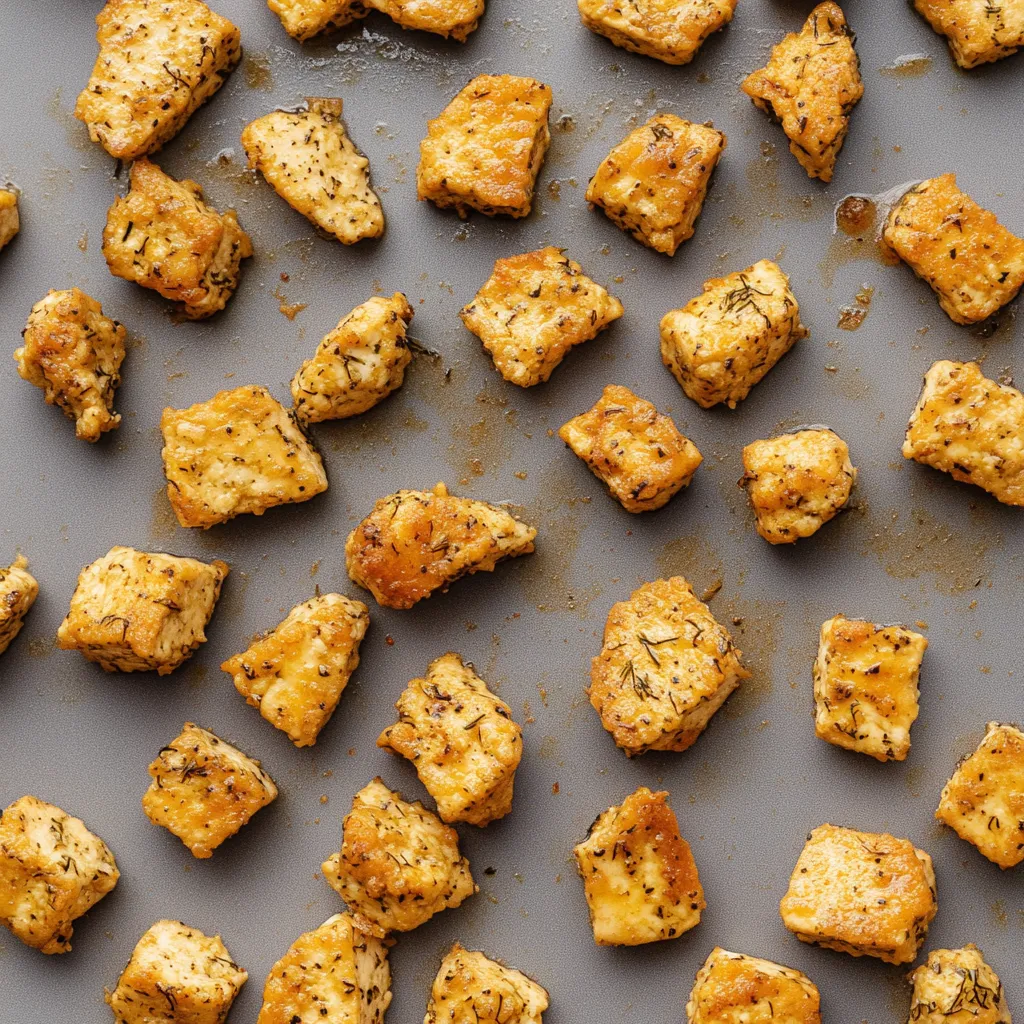
- Place the baking sheet on the upper oven rack in your preheated 400°F oven. Bake for 20 minutes without opening the oven door. After 20 minutes, remove the pan and use tongs or a spatula to carefully flip each piece of tofu over to expose the other side. The first side should be golden brown and crispy—if it's still pale, the pieces might need a few extra minutes before flipping. Return the pan to the oven and continue baking for another 15 to 20 minutes until the tofu is deeply golden brown and crispy all over. The total baking time is about 35 to 40 minutes. The tofu should look dry and crusty rather than wet or soft.
- Serve immediately while hot:
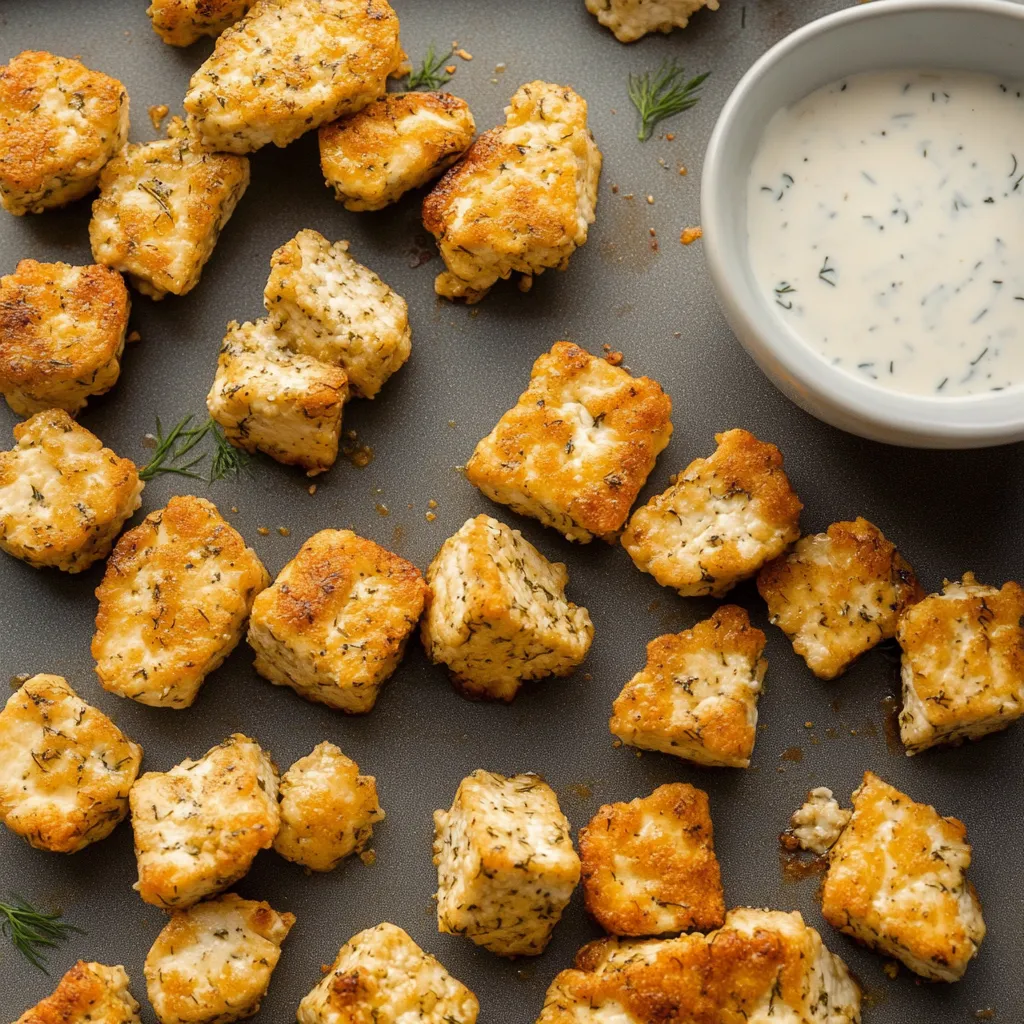
- Remove the tofu from the oven and let it cool for just 2 to 3 minutes before serving—it will be very hot straight from the oven. The bites are crispiest when fresh and hot, making this the ideal time to serve them. Transfer to a serving platter and surround with your favorite dipping sauce—vegan ranch is classic and perfect, but any creamy sauce works beautifully. The contrast of crispy, hot tofu with cool, creamy dip is incredibly satisfying. If not serving immediately, let them cool completely before storing, and plan to reheat for best texture.
 Pin it
The technique that made the biggest difference in my results was learning to actually press the tofu thoroughly for the full 15 to 30 minutes rather than just patting it dry and moving on. My early attempts produced tofu that was somewhat crispy on the outside but had released so much internal moisture during baking that the coating became soggy and fell off in spots. Once I committed to proper pressing with genuine weight and adequate time, letting the tofu drain until it was noticeably drier and firmer, my results improved dramatically. The pressed tofu absorbed the pickle brine better, held the cornstarch coating more effectively, and crisped up beautifully without releasing moisture that compromised texture. Now I'm patient with that pressing step even when I'm hungry and want to rush, because I know it's what makes the difference between mediocre tofu and genuinely crispy, addictive tofu that rivals fried versions.
Understanding Crispy Tofu Technique
Achieving genuinely crispy baked tofu requires understanding the science behind what creates crispiness and how to maximize it without frying. Crispiness comes from removing surface moisture and creating a dry, starchy coating that browns and hardens during high-heat cooking. Pressing the tofu is the essential first step because water is the enemy of crispiness—wet tofu steams in the oven and never develops that desirable crunchy exterior no matter how long you bake it. The pressed tofu starts much drier, giving the coating something to adhere to.
Cornstarch is specifically superior to other coating options because of its unique properties. The starch granules absorb surface moisture very effectively, creating an ultra-thin, dry layer on the tofu. During baking, these starch granules gelatinize and then dehydrate, forming a hard, glass-like coating that shatters when you bite it. Cornstarch also browns beautifully at high temperatures, creating golden color and developing toasted flavor through the Maillard reaction. Regular flour contains protein that creates different texture—more bready than crispy—while cornstarch is pure starch that creates that signature crunch.
The high baking temperature and upper rack position work together to create the best environment for crisping. Heat rising in the oven means the top is hottest, and positioning the pan there exposes the tofu to maximum heat. The 400°F temperature is hot enough to drive off moisture quickly and brown the coating without burning it. Lower temperatures would take too long and allow moisture to escape gradually, preventing crisping. Higher temperatures risk burning the coating before the interior heats through. The flip halfway through ensures both sides get equal exposure to the intense heat.
Marinating for Maximum Flavor
While you can proceed immediately after tossing the tofu in pickle brine, taking time to marinate dramatically intensifies the pickle flavor and is worth doing when possible. Marinating allows the brine to penetrate deeper into the tofu through osmosis and diffusion, carrying the salt, vinegar, dill, and garlic from the pickle juice throughout the pieces. The longer the marinating time, the more pronounced the flavor becomes—30 minutes produces noticeable improvement, while overnight marinating creates tofu that tastes genuinely pickle-infused throughout.
During marinating, the salt in the brine seasons the tofu from within rather than just coating the surface. This creates more complex, well-rounded flavor than surface seasoning alone could provide. The acidity from the vinegar in pickle brine also slightly firms the tofu's texture, making it meatier and helping it hold together better during tossing and baking. If you're meal prepping, you can marinate the tofu for up to 24 hours, then coat and bake when you're ready to eat for maximum convenience and flavor.
The marinating step also makes this recipe more flexible for your schedule. You can prep the tofu in the morning before work, let it marinate all day in the refrigerator, then coat and bake it quickly when you get home for dinner or snacks. This advance preparation means the actual cooking happens very fast, making the recipe practical for busy weeknights despite the longer total time from start to finish.
Serving and Using Throughout the Week
These dill pickle tofu bites shine in multiple contexts beyond just being party appetizers, making them valuable for meal prep and everyday cooking. As appetizers, they're perfect for parties because they're finger food that doesn't require utensils, and the unique flavor combination makes them conversation starters. Surrounding them with vegan ranch, chipotle mayo, or other creamy dipping sauces creates a complete snack spread that accommodates various dietary preferences while appealing to everyone regardless of diet.
For meal prep purposes, the bites add protein to salads and grain bowls throughout the week without requiring daily cooking. Their bold flavor means they don't need additional dressing or sauce—just toss them on top of greens with whatever vegetables you have and the pickle flavor provides interest. They work particularly well in Caesar-style salads, Greek salads, or simple mixed greens where their tanginess complements the other ingredients. The crispy texture provides satisfying crunch even when they've been refrigerated and aren't freshly baked.
The tofu also makes excellent sandwich and wrap filling. Stuff the bites into pita pockets or flour tortillas with lettuce, tomato, and ranch dressing for quick, protein-rich lunches. They're substantial enough to be satisfying but light enough that you won't feel sluggish afterward. For variety, try them on avocado toast, in Buddha bowls, alongside roasted vegetables, or even as a pizza topping. The versatility makes them worth keeping on hand constantly rather than just making for special occasions.
Reheating and Texture Considerations
While these tofu bites are undeniably best fresh from the oven when they're at peak crispiness, understanding proper reheating technique ensures leftovers remain enjoyable rather than becoming disappointing. The key to maintaining crispy texture during reheating is using dry heat rather than moisture. Air fryers, toaster ovens, and regular ovens all work beautifully—spread the tofu in a single layer and reheat at 350°F for 10 to 15 minutes until heated through and re-crisped. The dry, circulating heat drives off any moisture that accumulated during storage and re-hardens the cornstarch coating.
Never reheat these in the microwave, which creates steam that makes the coating soggy and rubbery rather than crispy. Microwaving also heats unevenly, leaving some pieces scalding hot while others stay cold. The texture after microwaving is completely different and much less appealing—soft and wet rather than crunchy and golden. If a microwave is your only option, the tofu will still be edible but won't have that desirable crispy quality that makes them so addictive.
Stored properly in an airtight container in the refrigerator, the bites keep well for up to five days. They'll lose some crispiness during storage as moisture from the tofu migrates to the coating, but proper reheating restores most of the original texture. Let them come to room temperature before reheating if possible, which helps them heat more evenly. If you know you won't eat them all within a few days, consider halving the recipe rather than making a full batch that might go to waste, since freezing isn't recommended.
 Pin it
These dill pickle tofu bites have become my secret weapon for converting tofu skeptics and proving that plant-based snacks can be genuinely crave-worthy rather than just acceptable alternatives. The combination of authentic pickle flavor with incredibly crispy texture creates something that appeals to everyone regardless of their dietary preferences or feelings about tofu. I love that they're so simple to make with minimal ingredients yet deliver bold, distinctive flavor that feels special and intentional. The fact that they keep well all week makes them incredibly practical for meal prep and having ready-to-eat protein available whenever I need it. Once you taste how the pickle brine genuinely infuses the tofu with tangy, briny flavor while the cornstarch creates that shatteringly crispy coating, and you see how quickly a batch disappears at parties even among confirmed meat-eaters, you'll understand why this recipe has earned permanent status in my cooking rotation and why I've made it dozens of times without ever getting tired of the addictive pickle-tofu combination.
Frequently Asked Questions
- → Do I really need to press the tofu first?
- Yes, pressing removes excess water so the tofu can absorb the pickle flavor and get crispy when baked. Press for at least 15-20 minutes.
- → Can I use regular pickle juice from a jar?
- Absolutely! Any dill pickle brine works great. Just pour it straight from your pickle jar into the recipe.
- → How do I make these extra crispy?
- Make sure the tofu pieces aren't touching on the pan, flip them halfway through, and bake on the top rack. You can also finish them in an air fryer for a few minutes.
- → What can I serve these with besides ranch?
- They're great with marinara sauce, honey mustard, BBQ sauce, or even just plain. Also tasty on salads, in wraps, or over rice bowls.
- → Can I make these ahead of time?
- Sure! They keep in the fridge for up to 5 days. Just reheat them in the oven or air fryer to get them crispy again before serving.
- → What if I don't have cornstarch?
- You can swap it with tapioca starch or arrowroot powder in the same amount. They won't be quite as crispy but still delicious.