
 Pin it
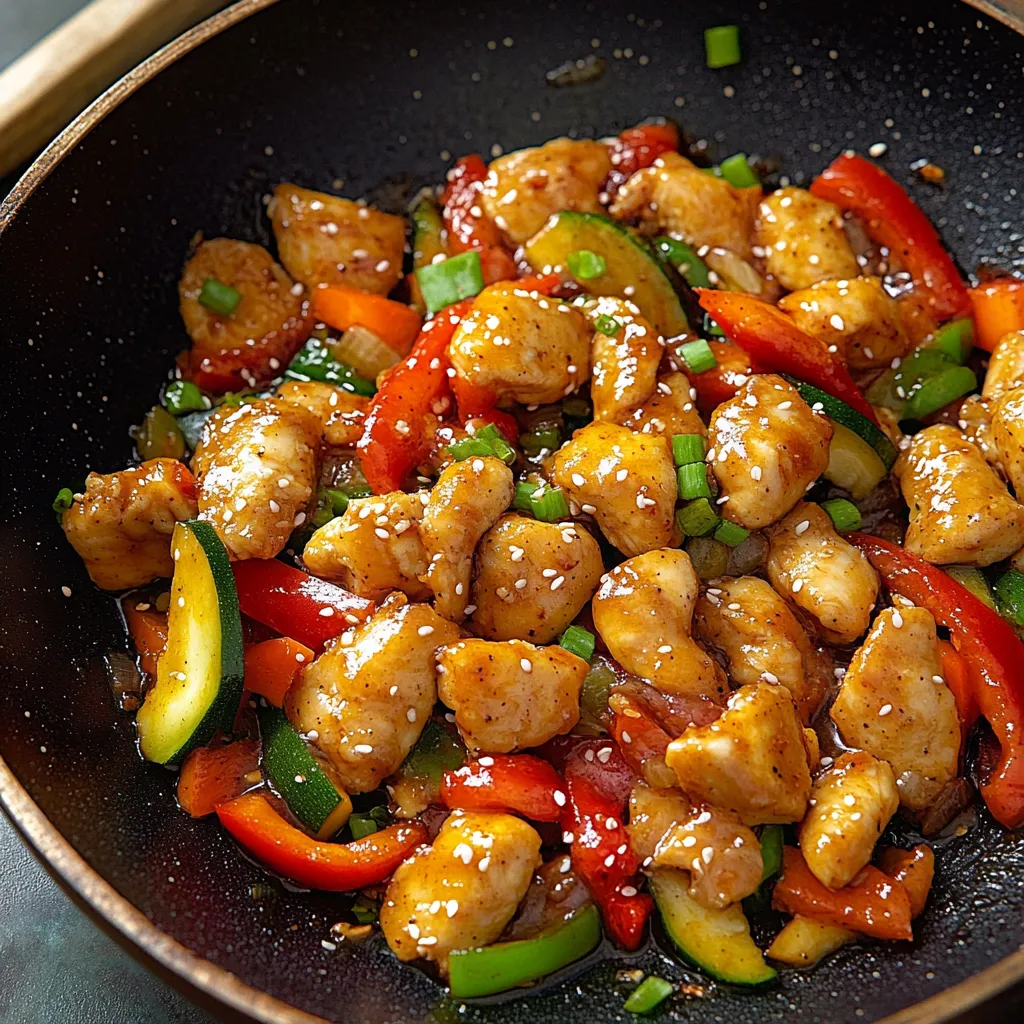
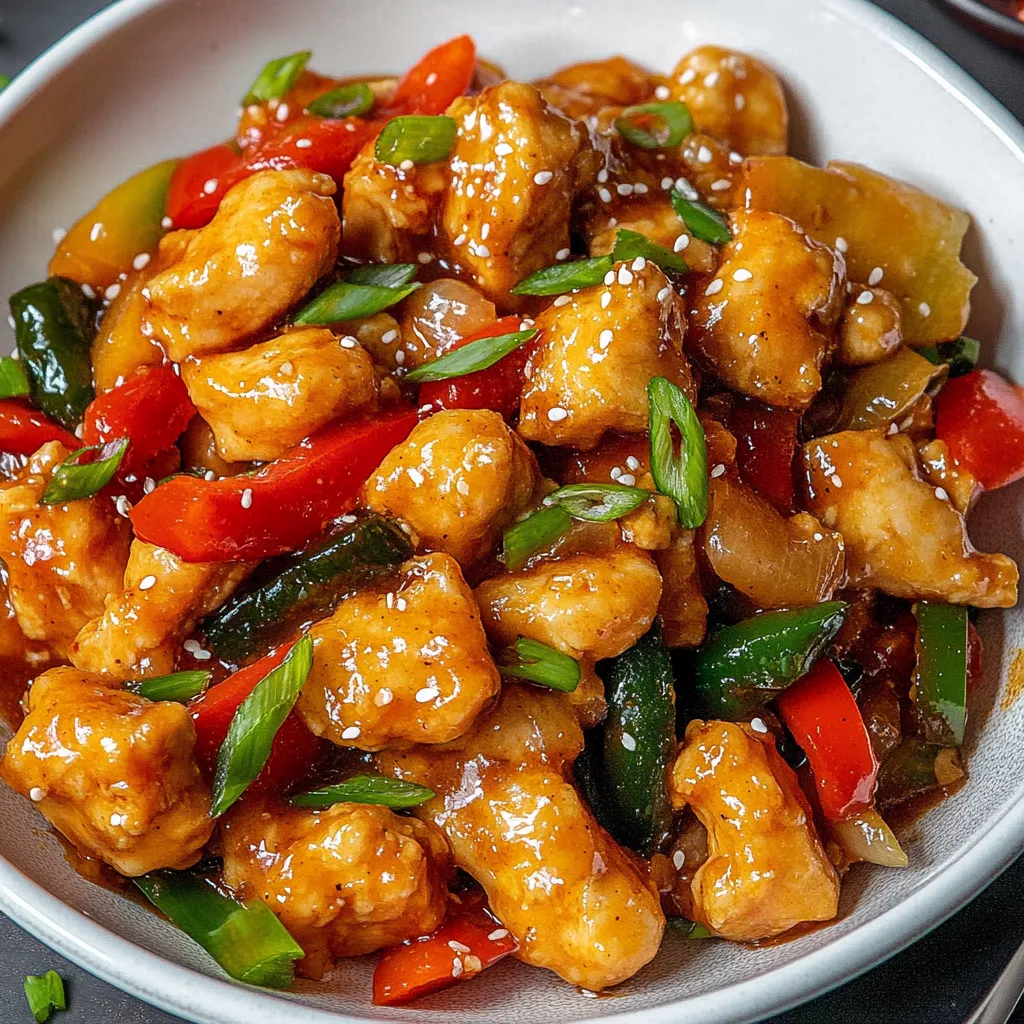
This Hunan chicken delivers bold, spicy flavors through tender velveted chicken and crisp vegetables tossed in a savory-sweet sauce built on fermented chili-bean paste that brings complex heat and umami depth. The chicken gets coated in cornstarch before quick stir-frying, creating a light, crispy exterior that stays tender inside while providing texture that holds onto the glossy sauce. Bell peppers, zucchini, carrots, and fresh jalapeños add color and crunch, while garlic and ginger provide aromatic punch that defines Chinese cooking. The entire dish comes together in about 15 minutes of active cooking once you've prepped your ingredients, making it faster than ordering takeout and infinitely more flavorful with fresher vegetables and customizable heat levels.
I started making this Hunan chicken when I got tired of ordering mediocre takeout that arrived lukewarm with mushy vegetables and overly sweet sauce. The first time I made it at home, I was shocked by how much better it tasted—the vegetables were actually crisp, the chicken was tender rather than rubbery, and the sauce had genuine spicy depth instead of just being salty-sweet. Now this is my go-to weeknight dinner when I want something satisfying and flavorful without spending an hour in the kitchen. The fact that it comes together faster than delivery arrives, costs a fraction of restaurant prices, and tastes better than anything I can order has made this a permanent fixture in my dinner rotation. I love that I can adjust the vegetables based on what I have available and dial the heat up or down depending on who's eating.
Ingredients and What Makes Them Essential
- Boneless, skinless chicken breast (1 to 1½ pounds): Chicken breast provides lean protein that cooks quickly and absorbs the sauce beautifully when properly velveted. The meat should be sliced against the grain into thin strips or bite-sized pieces about half an inch thick for quick, even cooking. Chicken thighs can substitute and provide more flavor and moisture since they're fattier, though they take slightly longer to cook through. The key is cutting the chicken uniformly so every piece cooks at the same rate.
- Cornstarch (3 tablespoons for coating, plus 1 tablespoon for sauce): Cornstarch serves dual purposes—coating the chicken creates a light, crispy exterior that prevents it from drying out during high-heat stir-frying while providing texture that holds sauce beautifully. The additional cornstarch mixed with water forms a slurry that thickens the sauce to glossy, coating consistency. This velveting technique is fundamental to Chinese cooking and transforms ordinary chicken into restaurant-quality texture. Don't skip the coating step or substitute with flour, which creates different, less desirable texture.
- Soy sauce (3 tablespoons): Soy sauce provides the essential salty, umami-rich base that defines Chinese stir-fry sauces. Use regular soy sauce rather than low-sodium, which tastes watery, or dark soy sauce, which would make the dish too dark and intensely flavored. The soy sauce seasons the chicken and vegetables while contributing to that characteristic brown color and savory depth. Quality matters—better soy sauce tastes cleaner and more complex than cheap versions.
- Oyster sauce (2 tablespoons): This thick, savory sauce made from oyster extracts adds rich umami depth, subtle sweetness, and glossy texture that makes the sauce cling to ingredients beautifully. Despite the name, it doesn't taste fishy—it's deeply savory with hints of sweetness that round out the other flavors. Oyster sauce is essential to authentic-tasting Chinese stir-fries and cannot be successfully substituted. Look for it in the Asian foods aisle of most supermarkets.
- Doubanjiang (1 to 2 tablespoons): This fermented chili-bean paste is the signature ingredient that makes Hunan chicken taste authentic with complex, spicy, slightly funky flavor that comes from fermentation. Made from broad beans and chili peppers, doubanjiang provides both heat and deep umami that plain chili paste can't match. The amount controls heat level—start with one tablespoon if you're cautious, use two for more authentic spiciness. Sambal oelek or other chili paste can substitute in a pinch, though flavor will be different and less complex.
- Rice wine (2 tablespoons): Chinese rice wine (Shaoxing wine) adds subtle sweetness, acidity, and aromatic complexity while helping tenderize the chicken. The alcohol cooks off during stir-frying, leaving behind enhanced flavors. If you can't find rice wine, dry sherry substitutes reasonably well, though the flavor differs slightly. Don't substitute with sake, which is Japanese and tastes different, or cooking wine, which contains salt and tastes inferior.
- Sesame oil (1 teaspoon): Toasted sesame oil adds nutty, aromatic flavor that's characteristic of Chinese cooking. A little goes a long way—it's used as a flavoring agent rather than cooking oil. The distinctive aroma enhances the entire dish without being overwhelming. Use toasted sesame oil specifically, which has deep amber color and strong aroma, not light sesame oil meant for cooking.
- Sugar (1 tablespoon): Sugar balances the salty soy sauce and spicy chili paste while enhancing all the other flavors without making the dish taste sweet. The small amount rounds out sharp edges and creates harmonious flavor rather than one-dimensional spiciness and saltiness. Honey can substitute for slightly different but equally good results with more complex sweetness.
- Chicken broth (½ cup): Broth provides liquid that becomes the sauce base when combined with the other seasonings and thickened with cornstarch. Homemade or store-bought both work—use low-sodium to control salt levels. Water can substitute if necessary, though the sauce will be less flavorful and lack body.
- Chili flakes (1 teaspoon): Dried chili flakes add straightforward heat and visual appeal with their red color. The amount can be adjusted based on spice tolerance—use less for milder heat or more if you enjoy serious spiciness. The flakes also provide textural interest and distribute heat throughout the sauce rather than concentrating it.
- Sichuan peppercorns (½ teaspoon, optional): These aren't traditional in Hunan chicken but add that distinctive tingling, numbing sensation that's characteristic of Sichuan cuisine. Sichuan peppercorns taste completely different from black peppercorns—they create a buzzing, almost electric sensation on your tongue rather than sharp heat. This is an acquired taste that some people love and others find strange, so they're optional. Toast them lightly in a dry pan before grinding or crushing to release maximum flavor.
- Bell peppers (1 large, thinly sliced): Bell peppers provide sweet crunch, vibrant color, and mild flavor that balances the spicy sauce. Red bell peppers are sweetest and most colorful, though any color works. Slice them thinly so they cook quickly during the brief stir-fry time while maintaining some crunch. The peppers release moisture as they cook, contributing to the sauce while staying crisp-tender.
- Jalapeño peppers (1 to 2, thinly sliced): Fresh jalapeños add bright, vegetal heat that's different from the fermented heat of doubanjiang. They provide fresh pepper flavor along with spiciness and attractive green color. Remove the seeds and ribs if you want milder heat, or leave them in for more intensity. The amount is adjustable based on your heat tolerance and the spiciness of your particular jalapeños, which varies considerably.
- Zucchini (1 medium, thinly sliced): Zucchini adds mild flavor, tender texture, and additional vegetables without competing with the bolder flavors. Slice it into half-moons or matchsticks so it cooks quickly. Zucchini releases moisture as it cooks, which is beneficial for creating sauce, though you don't want it to steam and become mushy—high heat and quick cooking keeps it crisp-tender.
- Carrot (1 medium, julienned or thinly sliced): Carrots contribute sweetness, crunch, and bright orange color that creates visual appeal. Cut them into very thin matchsticks or slices so they soften during the brief cooking time without staying raw and hard. The natural sugars in carrots caramelize slightly during high-heat cooking, adding subtle sweetness that balances the spicy, salty sauce.
- Fresh garlic (4 to 5 cloves, minced): Garlic provides pungent, aromatic complexity that's essential to Chinese stir-fries. Mince it finely so it cooks quickly and distributes evenly without burning. Fresh garlic tastes dramatically better than jarred or powdered and is worth the minimal effort. The garlic goes in near the end of cooking so it stays aromatic and slightly sharp rather than mellowing completely.
- Fresh ginger (1-inch piece, minced): Ginger adds bright, spicy, aromatic heat that's different from chili peppers and essential to authentic Chinese flavor. Peel it with a spoon edge and mince finely or grate it for maximum distribution. Fresh ginger has zingy, almost citrusy notes that jarred or powdered ginger completely lacks. Like garlic, it cooks briefly to preserve its distinctive flavor.
Step-by-Step Instructions
- Prepare the sauce in advance:
- In a small bowl, whisk together the soy sauce, oyster sauce, doubanjiang, rice wine, sesame oil, sugar, chicken broth, chili flakes, and Sichuan peppercorns if using. Stir everything thoroughly until the sugar dissolves and you have a uniform mixture. Set this sauce aside near your cooking area—you'll add it at the end and need it ready to pour quickly. Making the sauce ahead means one less thing to juggle during the fast-paced stir-frying. You can even make this sauce days ahead and refrigerate it sealed until needed.
- Coat the chicken for velveting:
- In a large bowl, combine the cornstarch with generous pinches of salt and black pepper—about half a teaspoon of each to season the coating properly. Cut your chicken into uniform bite-sized pieces or thin strips, then add them to the bowl with the seasoned cornstarch. Toss everything together with your hands or a spoon, making sure every piece of chicken is evenly coated with a light layer of cornstarch. The coating should be even and not clumpy—shake off any excess. This cornstarch coating is the key to achieving that restaurant-quality texture with crispy exterior and tender interior.
- Stir-fry the chicken in batches:
- Heat 2 tablespoons of neutral cooking oil in a large wok or skillet over medium-high to high heat until it shimmers and flows easily across the pan surface. The oil should be genuinely hot before adding chicken—test with a small piece, which should sizzle immediately on contact. Add the cornstarch-coated chicken in a single layer without overcrowding the pan—work in batches if necessary since overcrowding drops the temperature and causes steaming instead of searing. Let the chicken cook undisturbed for about 1 to 2 minutes until the bottom develops golden-brown crust and releases from the pan, then stir and continue cooking for another 1 to 2 minutes until golden all over and cooked through. The total cooking time should be 2 to 3 minutes per batch. Transfer the cooked chicken to a plate and set aside—it will finish cooking later when you add it back to the sauce.
- Stir-fry the vegetables:
- Add the remaining tablespoon of oil to the same wok or pan—there should be some browned bits stuck to the bottom, which will flavor the vegetables. Keep the heat at medium-high. Add the sliced bell peppers, jalapeños, zucchini, and carrots all at once. Stir-fry vigorously for 5 to 6 minutes, tossing and stirring frequently to ensure even cooking and prevent burning. The vegetables should soften slightly while maintaining crisp-tender texture and developing some charred spots from the high heat. They'll release moisture that helps deglaze the pan and pick up those flavorful browned bits. Don't let them steam—if the pan seems too crowded and the vegetables are releasing a lot of liquid, increase the heat to evaporate it quickly.
- Add aromatics:
- Once the vegetables are crisp-tender with some golden spots, add the minced garlic and ginger to the pan. Stir-fry for just 1 minute, stirring constantly so the garlic and ginger don't burn but become fragrant and release their oils. The aromatics should perfume the entire dish at this point—if you can't smell them strongly, they need a bit more time. Don't cook them longer than a minute or they'll burn and turn bitter.
- Combine everything with sauce:
- Return the cooked chicken to the pan with all the vegetables and aromatics. Give the sauce mixture a quick stir to recombine any settled ingredients, then pour it over everything in the pan. Stir immediately to coat all the chicken and vegetables with the sauce. In a small cup, mix the remaining tablespoon of cornstarch with about 2 tablespoons of cold water to create a smooth slurry with no lumps. Pour this slurry into the pan while stirring constantly. Continue cooking and stirring for 1 to 2 minutes while the sauce thickens to glossy, coating consistency and the chicken finishes cooking through completely. The sauce should cling to the chicken and vegetables rather than pooling watery in the bottom of the pan.
- Garnish and serve immediately:
- Remove the pan from heat and transfer everything to a serving platter or bowl. Garnish with chopped green onions, extra chili flakes, and sesame seeds if desired for visual appeal and fresh onion flavor. Serve immediately over steamed white rice or noodles while everything is piping hot and the vegetables are still crisp. Stir-fries are best eaten right away since they continue cooking from residual heat and can become soggy if they sit too long.
 Pin it
The technique that improved my stir-fries most dramatically was learning to actually get my pan genuinely hot before adding ingredients rather than starting with a warm pan. My early attempts produced steamed, pale vegetables sitting in liquid rather than crisp, charred vegetables with flavorful sauce because I was too timid with the heat. Once I learned to preheat my wok until it was smoking hot and keep the burner on the highest setting throughout cooking, my results transformed completely. The vegetables developed those appealing charred spots, the chicken got properly crispy, and everything tasted infinitely better with genuine wok hei flavor rather than just being soft and bland. Now I'm fearless about using maximum heat and have learned to work quickly and confidently, which is what stir-frying requires. That willingness to use genuinely high heat rather than moderate heat is what separates restaurant-quality stir-fries from mediocre home versions.
Understanding Stir-Fry Technique
Successful stir-frying requires understanding the fundamental principles that make this cooking method work, which are quite different from Western sautéing despite superficial similarities. The essential element is extremely high heat—stir-fries cook at temperatures approaching 500°F or higher in restaurant woks over commercial burners. Home stoves can't achieve these temperatures, but using your highest heat setting and preheating the pan thoroughly gets you as close as possible. This intense heat creates instant searing that browns proteins and vegetables quickly while maintaining crisp texture and developing complex flavors through the Maillard reaction.
The constant motion during stir-frying serves multiple purposes. It prevents burning by keeping ingredients moving across the hot pan surface rather than sitting in one spot. It ensures even cooking by exposing all surfaces to direct heat. And it creates those characteristic charred spots (called "wok hei" or breath of the wok) that provide smoky flavor impossible to achieve at lower temperatures. The vigorous tossing and stirring also helps evaporate excess moisture quickly, preventing steaming that would make everything soggy. This is why stir-frying small batches works better than crowding the pan—too much food drops the temperature and releases too much moisture to evaporate quickly.
Ingredient preparation is crucial because stir-frying happens so quickly that you don't have time to prep anything once cooking starts. Everything must be cut, measured, and arranged near the stove before you heat the pan. This concept is called "mise en place" in French cooking, but it's absolutely essential for stir-fries where cooking time is measured in minutes. Having your sauce mixed, vegetables cut, and chicken prepared means you can focus entirely on the cooking process rather than scrambling to chop something while other ingredients burn. This preparation actually makes stir-frying quite fast and low-stress once you get organized.
Customizing Heat Levels
One of the best aspects of making Hunan chicken at home is complete control over spiciness, which lets you tailor it to your exact preferences or accommodate different heat tolerances at the same table. The heat comes from multiple sources that layer different types of spiciness for complex results. Doubanjiang provides fermented, slightly funky heat with umami depth. Fresh jalapeños contribute bright, vegetal heat with crisp texture. Dried chili flakes add straightforward, sharp heat. Sichuan peppercorns create that distinctive tingling, numbing sensation. You can adjust any or all of these elements independently.
For milder versions that still taste authentic, reduce the doubanjiang to one tablespoon or even less, use just half a jalapeño with seeds removed, and omit the Sichuan peppercorns entirely. You'll still get flavorful stir-fry with just gentle warmth rather than aggressive heat. For medium heat that most people find comfortable, use the recipe as written with one full jalapeño and one tablespoon of doubanjiang. This creates noticeable spiciness that builds gradually without being overwhelming.
For genuinely spicy versions that challenge heat-lovers, increase doubanjiang to two tablespoons, use two jalapeños with seeds included, add extra chili flakes or use Thai bird's eye chilis instead of jalapeños, and include the full amount of Sichuan peppercorns. You can even add fresh serrano or habanero peppers for extreme heat. The beauty of controlling your own heat level is that you can make what you actually want rather than settling for restaurant versions that are either too mild or occasionally shockingly spicy with no middle ground.
Vegetable Variations and Additions
While the recipe uses bell peppers, jalapeños, zucchini, and carrots, Chinese stir-fries are endlessly adaptable to whatever vegetables you have available or prefer eating. The key considerations are cooking time and moisture content—choose vegetables that cook quickly and don't release excessive water. Mushrooms work beautifully and add meaty umami flavor, though they release liquid that needs to evaporate. Slice them thinly and cook over high heat to drive off moisture quickly.
Baby bok choy or regular bok choy cut into pieces adds authentic Chinese vegetable with mild, slightly sweet flavor and interesting texture contrast between crunchy stems and tender leaves. Add the stems with the other vegetables and the leaves at the very end since they wilt in seconds. Snow peas or sugar snap peas provide sweet crunch and bright green color—add them toward the end of vegetable cooking since they need minimal time. Broccoli florets work well but need blanching or steaming first since raw broccoli won't soften enough during brief stir-frying.
Bean sprouts add authentic texture and mild flavor but need to go in at the very end since they cook almost instantly and become mushy if overcooked. Baby corn, bamboo shoots, or water chestnuts from cans provide texture and visual interest—drain and rinse them well before adding. Green beans cut into bite-sized pieces work well and provide satisfying snap. Asparagus cut into short pieces is delicious but seasonal. The general rule is that harder vegetables need to go in earlier while tender, quick-cooking vegetables wait until later or get added with the sauce.
 Pin it
This Hunan chicken has become my go-to weeknight dinner when I want something satisfying and flavorful that doesn't require extensive time or complicated technique. The bold, spicy flavors always hit the spot, and the fact that it comes together faster than I could get delivery while tasting infinitely better has made ordering takeout feel pointless. I love the flexibility to adjust vegetables based on what I have available and to control the heat level based on who's eating—mild for the kids, genuinely spicy for me. The crispy-tender chicken texture from proper velveting and high-heat cooking tastes restaurant-quality despite being made in my home kitchen, and watching it all come together in minutes while the rice cooks feels almost magical. Once you taste how much better homemade stir-fry is compared to takeout—with actually crisp vegetables, tender chicken, and sauce that tastes complex rather than just salty-sweet—you'll understand why this recipe has earned permanent status in my dinner rotation and why I've made it hundreds of times without ever getting tired of the incredible flavors.
Frequently Asked Questions
- → Can I make this recipe less spicy?
- Yes, just reduce the chili flakes and skip the jalapenos. You can also use less doubanjiang or swap it for a milder chili paste.
- → What can I use instead of doubanjiang?
- Sambal oelek works great as a substitute. You can also use sriracha or any chili paste you have on hand.
- → Can I use chicken thighs instead of breast?
- Absolutely! Chicken thighs work perfectly and stay extra juicy. Just cut them into similar-sized pieces and cook the same way.
- → What vegetables can I substitute?
- Try snap peas, broccoli, mushrooms, or baby corn. Use whatever fresh vegetables you have available or prefer.
- → How do I store leftover Hunan chicken?
- Keep it in an airtight container in the fridge for up to 3 days. Reheat in a pan or microwave until warmed through.
- → Can I prep this recipe ahead of time?
- Yes, you can cut the chicken and vegetables in advance. Mix the sauce and store everything separately in the fridge until ready to cook.
- → Is Hunan chicken gluten-free?
- Not as written, since soy sauce and oyster sauce contain gluten. Use tamari and gluten-free oyster sauce to make it gluten-free.