
 Pin it
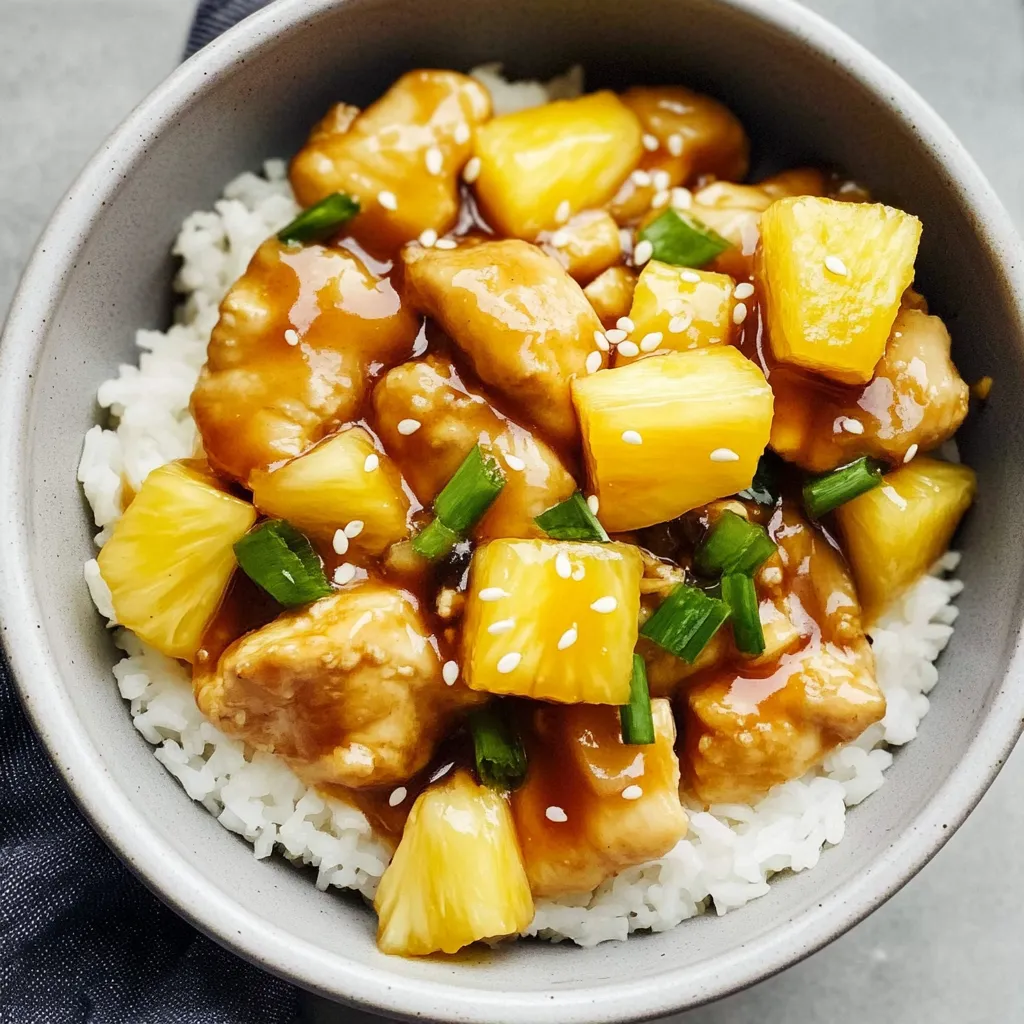
Pineapple chicken is one of those Chinese takeout classics that seems complicated but is actually laughably easy to make at home - crispy cornstarch-coated chicken pieces tossed in a sticky-sweet sauce made from pineapple juice, brown sugar, soy sauce, and vinegar with chunks of pineapple throughout. The cornstarch coating creates that signature Chinese restaurant texture where the chicken is crispy initially but then becomes tender and coated in sauce, absorbing flavor without getting soggy. What makes this particularly appealing for weeknight cooking is how it comes together in about thirty minutes total with ingredients you probably already have, and how it tastes legitimately better than most takeout versions because you control the sweetness level and use real pineapple instead of the canned mandarin oranges or maraschino cherries that some restaurants inexplicably substitute. The sweet-tangy-savory balance hits all the right notes without being cloying, and serving it over rice turns it into a complete meal that even picky kids will eat.
I started making pineapple chicken about seven years ago after spending too much money on mediocre Chinese takeout that was usually too sweet and swimming in gloppy sauce. The first homemade version I made was revelation - the chicken stayed crispy longer, the sauce tasted fresher and more balanced, and I could adjust everything to my preference. Now my kids specifically request this over actual takeout, claiming it tastes better, which is probably the highest endorsement any home-cooked meal can receive from children who would happily eat restaurant food every night.
Ingredients and What Makes Them Essential
- Boneless Skinless Chicken Breasts (1½ pounds, about 2-3 breasts): Chicken breasts cook quickly and cut into uniform pieces easily. Buy them at room temperature if possible, or let cold chicken sit out for 15 minutes before cutting, which makes it easier to cut cleanly. You can substitute chicken thighs if you prefer darker meat.
- Garlic Salt (1 teaspoon): Garlic salt seasons the chicken with both salt and garlic flavor before coating. If you only have regular salt and garlic powder, use ¾ teaspoon salt plus ½ teaspoon garlic powder.
- Cornstarch (½ cup for coating, plus 2 tablespoons for sauce): Cornstarch creates that signature crispy coating when fried, then helps thicken the sauce to glossy, coating consistency. Don't substitute flour which creates different texture and doesn't fry as crisply.
- Canola or Vegetable Oil (3 tablespoons, for frying): Neutral oil with high smoke point works best for pan-frying. Don't use olive oil which has low smoke point and strong flavor.
- Light Brown Sugar (½ cup, packed): Brown sugar provides sweetness with subtle molasses notes that taste more complex than white sugar. Pack it firmly into your measuring cup for accurate measurement.
- Pineapple Juice (¾ cup): Pineapple juice is the liquid base of the sauce and provides fruit flavor. Use juice from canned pineapple if using canned chunks, or buy bottled pineapple juice if using fresh pineapple.
- Soy Sauce (3 tablespoons): Soy sauce adds salty, umami depth that balances the sweetness. Use regular soy sauce, not low-sodium which is too mild, or dark soy sauce which is too intense. Kikkoman is a reliable brand.
- White Vinegar (2 tablespoons): Vinegar adds essential tang and acidity that cuts through the sweetness and richness. Don't skip this or the sauce will taste cloying. White distilled vinegar works perfectly.
- Pineapple Chunks (1½ cups, fresh or canned, drained): Pineapple chunks add texture, sweetness, and visual appeal. Fresh pineapple tastes slightly better but canned is more convenient. If using canned, buy chunks in juice (not syrup) and drain well, saving the juice for the sauce.
- Sesame Seeds (1 tablespoon, for garnish, optional): Sesame seeds add visual appeal and slight nutty flavor. Toast them briefly in a dry pan for better flavor if you have time.
- Green Onions (2, sliced, for garnish, optional): Green onions provide color and mild onion flavor. Slice thinly on the diagonal for prettiest presentation.
Step-by-Step Instructions
- Prepare the Chicken:
- Place your chicken breasts on a cutting board and use a sharp knife to cut them into bite-sized pieces about 1 to 1½ inches. Try to keep the pieces relatively uniform in size so they cook evenly. Transfer all the cubed chicken to a large bowl or gallon-sized zip-top bag. Sprinkle 1 teaspoon of garlic salt over the chicken and toss to distribute. Add ½ cup of cornstarch to the bowl or bag. Toss or shake vigorously until every piece of chicken is completely coated with a thin, even layer of cornstarch. The coating should look dry and powdery with no wet spots. Shake off any excess cornstarch so you don't have thick, gummy coating.
- Fry the Chicken:
- Place a large skillet or wok over medium-high heat and add 3 tablespoons of oil. Let the oil heat for about 2 minutes until it's shimmering and hot but not smoking. To test if it's ready, drop in a small piece of chicken - it should sizzle immediately. Carefully add all the cornstarch-coated chicken pieces to the hot oil, spreading them out in a single layer as much as possible. Let the chicken cook undisturbed for about 3 to 4 minutes until the bottom side is golden brown and crispy. Use a spatula to flip the pieces over and cook the other side for another 3 to 4 minutes. The chicken should be mostly cooked through and golden brown on all sides. It doesn't need to be completely cooked yet because it will finish cooking in the sauce. Transfer the fried chicken to a plate temporarily.
- Make the Sauce:
- While the chicken cooks, or right after removing it from the pan, prepare the sauce. In a medium bowl, whisk together ½ cup of packed light brown sugar, ¾ cup of pineapple juice, 3 tablespoons of soy sauce, 2 tablespoons of white vinegar, and 2 tablespoons of cornstarch. Whisk thoroughly until the cornstarch is completely dissolved with no lumps. The mixture should look uniform in color with no white streaks. Make sure to whisk well because undissolved cornstarch will create lumpy sauce.
- Combine and Simmer:
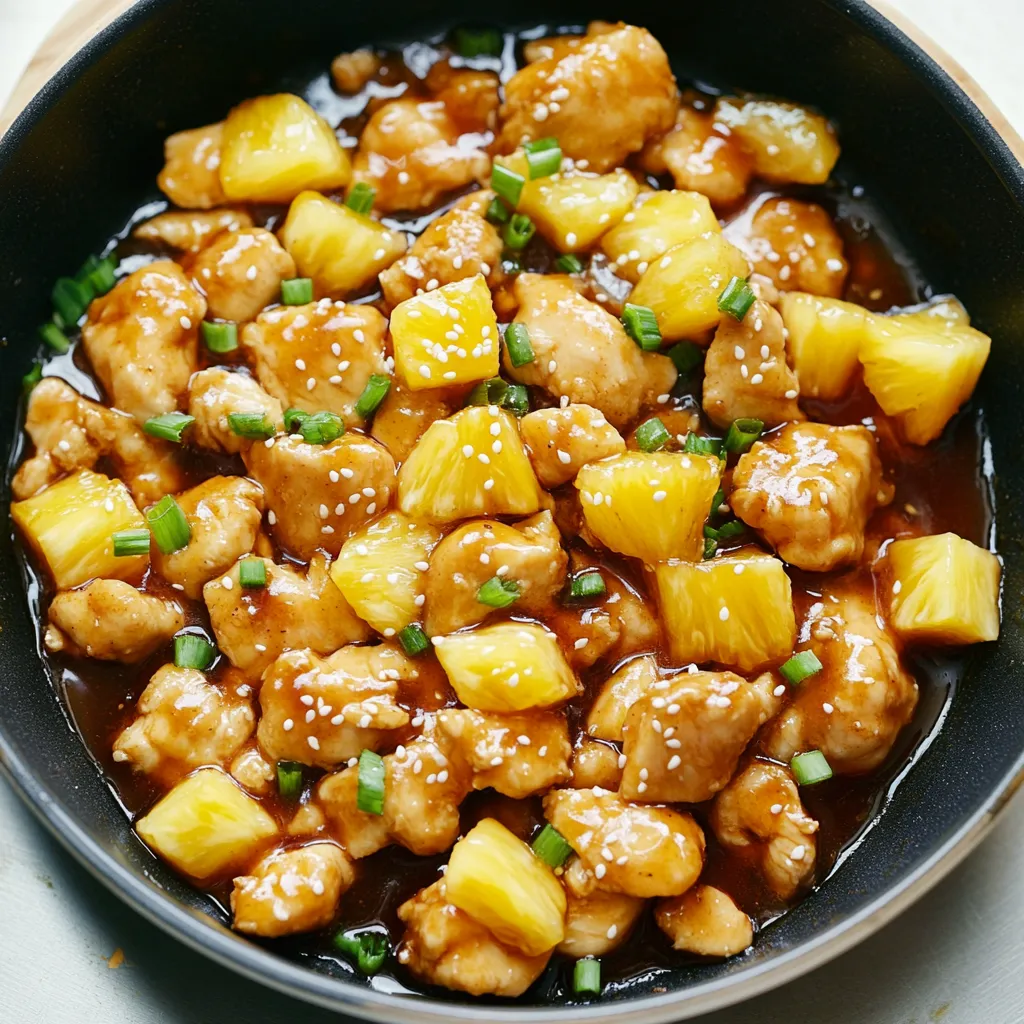
- Return the fried chicken to the skillet if you removed it, or if you left it in, make sure the heat is still at medium. Pour the sauce mixture over the chicken. Add 1½ cups of pineapple chunks, distributing them throughout. Use a spatula or wooden spoon to toss everything together, coating all the chicken pieces with sauce. Reduce the heat to medium-low so the sauce is bubbling gently but not boiling vigorously. Let it simmer, stirring occasionally - every minute or two - for about 10 to 15 minutes. You're watching for two things: the sauce should thicken considerably until it coats the back of a spoon and looks glossy, and the chicken should finish cooking through completely. The sauce will start thin and watery but will thicken dramatically as the cornstarch activates from the heat. If the sauce gets too thick, add a splash of water or pineapple juice to thin it. If it's not thickening after 10 minutes, increase the heat slightly and cook a bit longer.
- Serve:
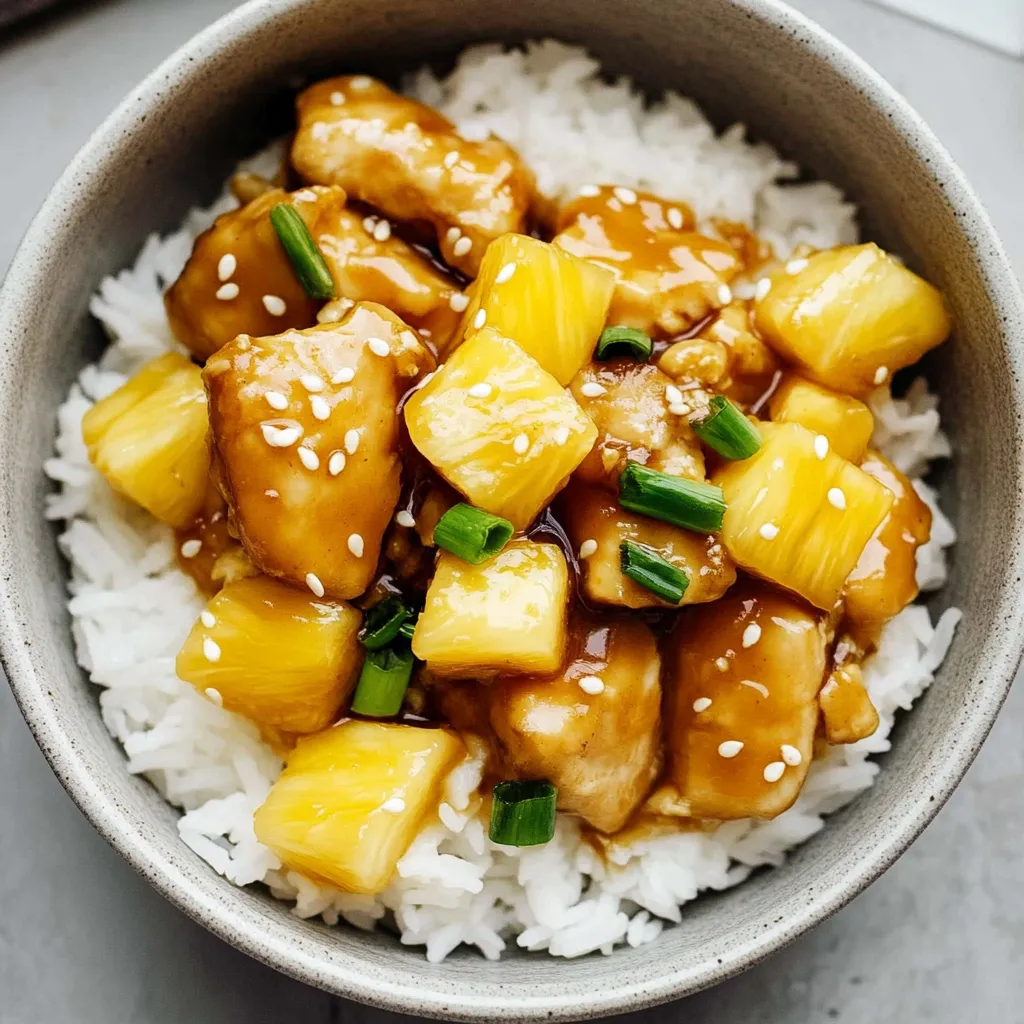
- Once the sauce is thick and glossy and the chicken is cooked through, remove from heat. Transfer the pineapple chicken to a serving platter or bowl. Sprinkle with sesame seeds and sliced green onions if using. Serve immediately over white rice, fried rice, or noodles. The dish is best eaten right away while the chicken has some remaining crispness and the sauce is hot.
 Pin it
My youngest son went through a phase where he refused to eat chicken in any form, insisting it was "boring and gross" no matter how I prepared it. Out of desperation one night, I made this pineapple chicken without telling him what it was, just putting it over rice and calling it dinner. He ate two full servings before asking what kind of meat it was. When I told him it was chicken, he looked shocked and said it couldn't be because chicken doesn't taste like that. Now he requests "the good chicken" regularly, and I have to remind myself not to gloat too obviously about winning. Converting the chicken-hating kid feels like a legitimate parenting achievement.
Understanding Cornstarch Versus Flour Coating
The choice between cornstarch and flour for coating chicken creates dramatically different results, and understanding why helps you appreciate what makes Chinese restaurant-style chicken special. Flour contains gluten proteins that can form chewy networks when mixed with liquid and heated. Flour coatings tend to be thicker, denser, and more bread-like. Cornstarch is pure starch with no gluten, so it creates a thinner, lighter, more delicate coating that fries up incredibly crispy. When cornstarch-coated chicken gets tossed in sauce, something magical happens - the coating absorbs sauce and becomes tender rather than soggy, creating that distinctive Chinese restaurant texture where the chicken feels crispy but tastes saucy. Flour-coated chicken in sauce tends to get gummy or pasty. Cornstarch also creates a glossier, more translucent coating than opaque flour. This is why virtually all Chinese restaurant recipes use cornstarch rather than flour for coating protein before stir-frying or saucing. The technique is essential to the cuisine's textural appeal.
The Sweet-Sour-Salty Balance in Chinese Cooking
Great Chinese sauces balance three primary taste elements - sweet, sour, and salty - in ways that keep them interesting rather than one-dimensional. In this pineapple chicken, the brown sugar and pineapple juice provide sweetness, the vinegar contributes sourness, and the soy sauce adds saltiness. These three elements in proper proportion create complexity where no single flavor dominates. If you made the sauce with only sugar and pineapple juice, it would taste cloying and flat. Adding vinegar brightens everything and prevents sugar fatigue. Adding soy sauce grounds the sweetness with savory umami depth. The ratio matters enormously - too much sugar and it tastes like dessert, too much vinegar and it's aggressively sour, too much soy and it's overwhelmingly salty. The recipe's proportions hit the sweet spot where all three elements are present and balanced. This principle applies throughout Chinese cooking and is why restaurant food often tastes more complex than home-cooked versions - professionals understand this balance intuitively.
Why Fresh Pineapple Works Differently Than Canned
While both fresh and canned pineapple work in this recipe, they behave slightly differently and understanding why helps you choose. Fresh pineapple contains an enzyme called bromelain that breaks down proteins. In raw applications, this means fresh pineapple can "eat" meat if left in contact too long, which is why pineapple marinades tenderize but can also turn meat mushy. However, bromelain is destroyed by heat, so once the pineapple is cooked in the sauce, this stops being a concern. Fresh pineapple has brighter, more acidic flavor with firmer texture that holds up better during cooking. Canned pineapple has been heated during the canning process, which destroys the bromelain and also softens the texture and mellows the flavor. Canned pineapple packed in juice is preferable to pineapple in syrup which adds unnecessary extra sugar. The convenience of canned can't be denied - it's pre-cut, always available, and provides juice for the sauce. For this recipe, either works beautifully, so choose based on what's convenient.
The Role of Vinegar in Balancing Sweetness
Vinegar is the unsung hero in this sauce, providing acid that prevents the brown sugar and pineapple from becoming cloying. Without vinegar, the sauce would taste like sugary pineapple syrup - pleasant at first but quickly overwhelming. Acid brightens flavors and cleanses your palate, allowing you to take another bite without feeling sugar-fatigued. Acid also enhances your perception of other flavors, making the chicken taste meatier and the pineapple taste fruitier. The 2 tablespoons of white vinegar in this recipe provides just enough tang to balance ½ cup of brown sugar without making the sauce taste sour. White distilled vinegar is ideal because it's neutral - it adds acid without adding competing flavors. Rice vinegar would work too and is more traditional in Chinese cooking, though white vinegar is more commonly available. Apple cider vinegar would add slight apple flavor. Don't use balsamic which would darken the sauce and add inappropriate flavors.
Achieving Proper Sauce Consistency
Getting the sauce to the right consistency - thick enough to coat the chicken without being gluey, thin enough to flow without being watery - requires understanding how cornstarch thickens. Cornstarch granules absorb liquid when heated, swelling dramatically and creating thickness. The process requires both heat and time. When you first add the sauce, it will look very thin and watery. As it simmers, the cornstarch activates and the sauce thickens gradually. Stirring helps distribute the thickening evenly and prevents lumps. The sauce should coat the back of a spoon and look glossy rather than matte. If you draw your finger through the sauce on the spoon, the trail should remain visible rather than immediately running together. This consistency clings to the chicken pieces without dripping off. If your sauce isn't thickening, possible causes include: not enough cornstarch, cornstarch wasn't dissolved properly, heat isn't high enough, or you haven't simmered long enough. If it's too thick, add liquid a tablespoon at a time until it loosens.
Vegetable Add-Ins and Variations
While the basic chicken and pineapple version is delicious, adding vegetables makes it more substantial and nutritious. Bell peppers (any color) cut into chunks add sweetness and crunch - add them when you add the sauce so they have time to soften slightly. Broccoli florets work beautifully - blanch them briefly first or add them a few minutes before the chicken is done. Snap peas or snow peas add crisp texture - add during the last 3 to 4 minutes of cooking so they stay crunchy. Sliced carrots, mushrooms, or onions all work well. The key is adding vegetables at the right time based on their cooking needs - quick-cooking vegetables like peppers go in near the end, while denser vegetables like carrots should go in earlier. Don't add so many vegetables that they overwhelm the chicken and pineapple, which are the stars. For protein variations, this same sauce and technique work with shrimp (cook for 3 to 4 minutes total), pork (cut from tenderloin), or tofu (press it first to remove moisture).
Storage, Reheating, and Meal Prep
Pineapple chicken stores and reheats beautifully, making it excellent for meal prep or planned leftovers. Let the cooked dish cool to room temperature, then transfer to an airtight container and refrigerate for 3 to 4 days. The chicken will soften during storage as the coating absorbs more sauce, which some people actually prefer. To reheat, microwave portions in a covered dish for 2 to 3 minutes, stirring halfway through. Or reheat on the stovetop in a skillet over medium heat, adding a splash of water if the sauce has thickened too much. For freezing, cool completely, transfer to a freezer-safe container, and freeze for up to 3 months. The texture won't be quite as good after freezing - the coating becomes softer and the pineapple less firm - but it's still tasty. Thaw overnight in the refrigerator before reheating. For meal prep, cook the chicken through the sauce stage, cool, and portion into containers with rice. Reheat individual portions throughout the week.
Serving Suggestions and Complete Meal Ideas
Pineapple chicken works as a complete meal when served over rice, but thoughtful sides can round out the experience. Steamed white rice is traditional and perfect for soaking up sauce. Fried rice turns it into a more substantial meal with additional flavors and textures. For lower-carb options, serve over cauliflower rice or alongside stir-fried vegetables. Noodles work too - try it over lo mein, chow mein, or rice noodles. For a full Chinese takeout experience at home, pair with egg rolls, wontons, crab rangoon, or spring rolls. Add an Asian-style salad with sesame dressing or cucumber salad. Potstickers or dumplings make excellent appetizers. For beverages, iced tea is classic, or try jasmine tea. Beer pairs well - light lagers or wheat beers complement the sweet-savory flavors. For a party, make a larger batch and serve family-style with multiple sides, allowing people to build their own plates.
Troubleshooting Common Problems
When pineapple chicken doesn't turn out right, there's usually a fixable cause. If the coating falls off the chicken, you didn't coat thoroughly enough or the oil wasn't hot enough - make sure every piece is completely covered with cornstarch and verify oil temperature before adding chicken. If the chicken is dry, you overcooked it during the initial frying or the final simmering - reduce cooking time since it will finish in the sauce. If the sauce is too sweet, reduce brown sugar to ⅓ cup next time or add an extra tablespoon of vinegar for more tang. If it's too sour, reduce vinegar to 1 tablespoon. If the sauce is thin and watery, you didn't simmer long enough or didn't use enough cornstarch - simmer until it visibly thickens. If it's gluey and too thick, you used too much cornstarch or over-reduced it - add water to thin. If it tastes bland, add more soy sauce for saltiness. Most problems relate to sauce consistency, seasoning balance, or cooking times, all adjustable with experience.
 Pin it
After making pineapple chicken probably once a week for the past seven years, it's become one of those recipes I make on autopilot when I need dinner fast but don't want to compromise on flavor. I appreciate how the ingredient list is simple and mostly pantry staples, and how the active cooking time is minimal - just cube chicken, coat it, fry it, make sauce, simmer. The sweet-tangy-savory balance hits exactly right without being too sweet like some restaurant versions, and knowing I can add whatever vegetables I have lurking in the crisper drawer makes it endlessly adaptable. This represents exactly what good weeknight cooking should be - fast, delicious, crowd-pleasing, genuinely better than takeout, and simple enough to make even when you're tired and would rather not cook at all.
Frequently Asked Questions
- → Can I use chicken thighs instead of breasts?
- Yes, boneless chicken thighs work great. They stay juicy and hold up well to the frying and simmering. Just cut them into similar-sized pieces.
- → What can I substitute for cornstarch?
- You can use all-purpose flour for coating the chicken, though it won't get quite as crispy. For the sauce, arrowroot powder works as a thickener.
- → Can I make this with canned pineapple?
- Absolutely. Canned pineapple chunks work just fine. You can even use the juice from the can instead of buying separate pineapple juice.
- → How do I store leftovers?
- Keep leftovers in an airtight container in the fridge for up to 3 days. Reheat in a pan over medium heat or in the microwave until warmed through.
- → Can I bake the chicken instead of frying?
- Yes, bake the coated chicken at 400°F for about 20 minutes, flipping halfway. Then add it to the sauce in a pan and simmer as directed.
- → What should I serve with pineapple chicken?
- White or brown rice is classic. Fried rice, noodles, or steamed vegetables also pair well with this dish.