
 Pin it
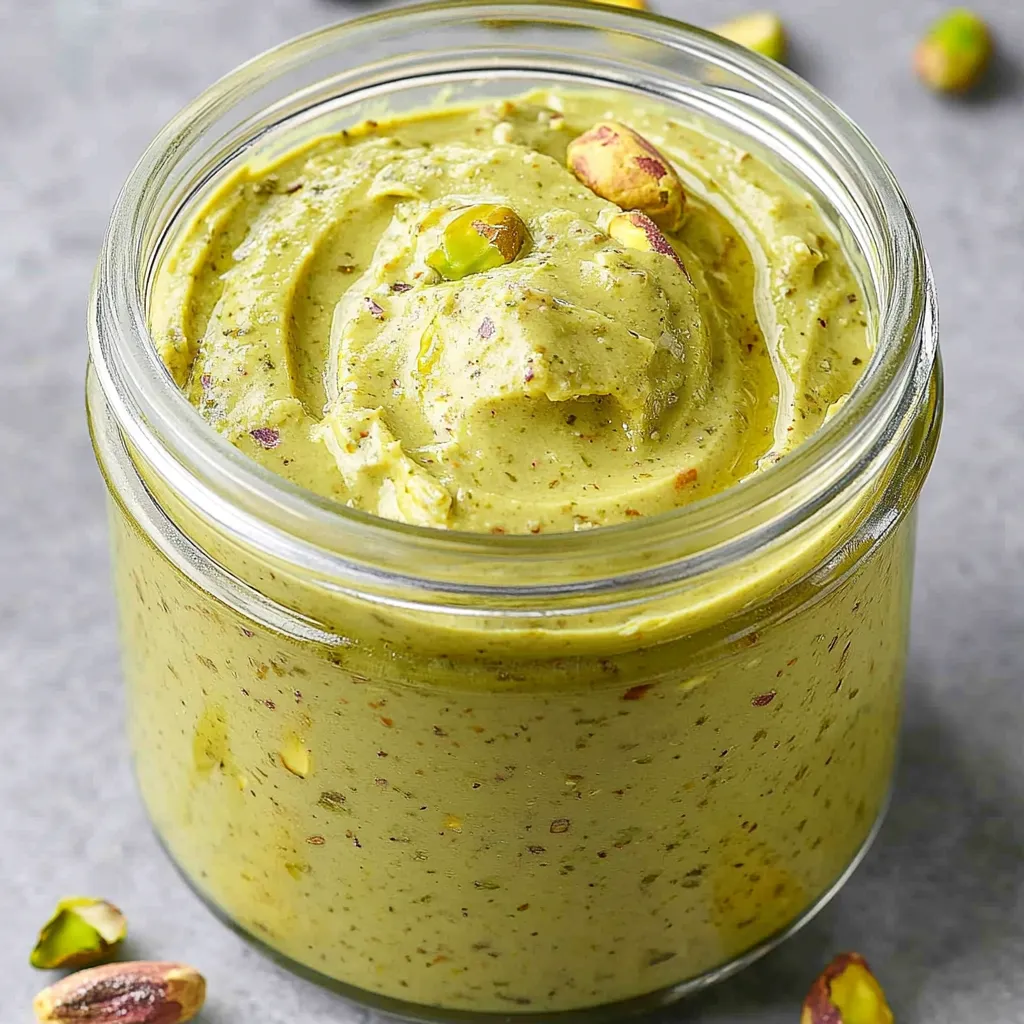
Pistachio cream is one of those preparations that went viral through the Dubai chocolate bar trend - a smooth, spreadable paste made from raw pistachios, powdered sugar, salt, and neutral oil blended until silky - but has uses far beyond just filling chocolate. The technique is straightforward once you understand that pistachios need to be ground into fine powder first, then blended continuously as oil is added gradually until the natural oils release and everything transforms from dry crumbs into smooth, spreadable cream. What makes this particularly appealing is how homemade version tastes genuinely better than store-bought because you control the ingredients and avoid the stabilizers and preservatives in commercial versions, and how it keeps refrigerated for weeks so one batch provides multiple uses from spreading on toast to filling pastries to making viral chocolate treats.
I started making pistachio cream about two years ago when the Dubai chocolate bar went viral and I bought expensive pistachio paste online, only to realize after reading the ingredient list that it contained palm oil, preservatives, and artificial coloring. The first batch I made at home was grainy because I didn't blend long enough to break down the pistachios completely. After learning that pistachios need continuous blending for several minutes until they release their natural oils and transform into smooth paste, and that adding oil gradually prevents the mixture from seizing, it became foolproof. Now I keep a jar in the refrigerator constantly because it's become one of those ingredients that elevates everything it touches.
Ingredients and What Makes Them Essential
- Raw Unsalted Pistachios (2 cups, about 10 ounces): Raw pistachios are essential rather than roasted because they have milder flavor and blend into smoother consistency. The green color comes from chlorophyll in the nuts. Don't use salted pistachios which would make the cream too salty. Shelled pistachios save time.
- Powdered Sugar (¼ cup): Powdered sugar dissolves completely into the cream, providing sweetness without graininess. Don't substitute granulated sugar which won't dissolve and will create gritty texture.
- Salt (¼ teaspoon): Just a pinch of salt enhances the pistachio flavor and balances sweetness. Fine sea salt or table salt works best.
- Avocado Oil (¼ cup, or as needed): Avocado oil has neutral flavor that won't interfere with pistachios. You can substitute other neutral oils like grapeseed or light olive oil, but avoid strong-flavored oils like extra virgin olive oil or toasted sesame oil. The oil helps create smooth, spreadable consistency.
Step-by-Step Instructions
- Grind the Pistachios:
- Place 2 cups of raw unsalted pistachios in the bowl of a food processor fitted with the blade attachment. Pulse about 10 to 15 times in short bursts until the pistachios are ground into fine, breadcrumb-like texture. Stop and scrape down the sides of the bowl with a spatula to ensure everything gets processed evenly. The pistachios should look like coarse meal or very fine breadcrumbs at this stage. Don't process continuously yet or you might overheat the nuts.
- Add Sugar and Salt:
- Add ¼ cup of powdered sugar and ¼ teaspoon of salt to the ground pistachios. Pulse another 5 to 10 times to incorporate the sugar and salt throughout. Scrape down the sides again. At this point, the mixture will still look dry and crumbly.
- Begin Blending and Add Oil:
- Turn the food processor on and let it run continuously now. After about 30 seconds of continuous processing, the mixture will start to clump together as the natural oils begin releasing from the pistachios. With the processor still running, slowly drizzle in ¼ cup of avocado oil through the feed tube in a thin, steady stream. This should take about 30 seconds to add all the oil. Don't dump all the oil in at once or the mixture might seize.
- Blend Until Smooth:
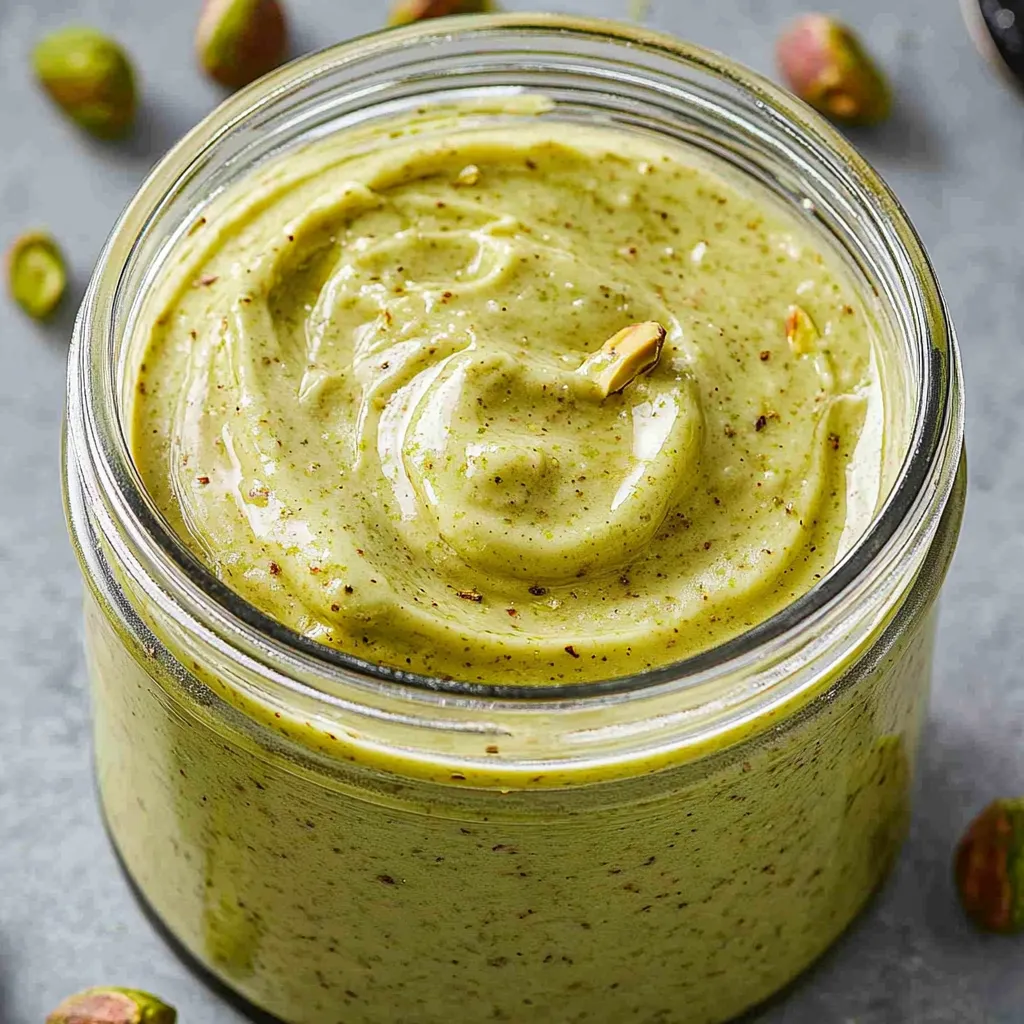
- Continue processing for another 2 to 4 minutes, stopping every 30 to 60 seconds to scrape down the sides of the bowl. You'll notice the mixture transforming from dry and crumbly to thick and paste-like, then gradually becoming smoother and more pourable. The pistachios will release their natural oils, which combine with the added oil to create creamy consistency. The total blending time is usually 5 to 7 minutes from when you first turned on the processor. The finished cream should be smooth, spreadable, and slightly glossy. If it's still too thick after several minutes of blending, drizzle in another 1 to 2 tablespoons of oil and continue processing.
- Cool and Store:
- Transfer the pistachio cream to a clean glass jar or airtight container. Let it cool to room temperature before sealing and refrigerating - the friction from blending warms it up, and sealing while warm can create condensation. Once cool, cover tightly and refrigerate. The cream will firm up slightly when cold but remains spreadable.
 Pin it
My sister who's particular about texture and refuses to eat anything grainy was skeptical when I told her to try homemade pistachio cream, insisting it couldn't possibly be as smooth as store-bought Nutella. After I made her taste it on toast, she looked surprised and admitted it was "actually smooth" and "better than I expected." Now she requests jars of it. Getting the texture-sensitive person to approve of homemade nut butter feels like passing a difficult test.
Understanding Pistachio Cream Versus Pistachio Butter
Pistachio cream and pistachio butter are related but different products. Pistachio butter is simply ground pistachios, like natural peanut butter - just nuts blended until smooth with no added ingredients. It's dense, intensely nutty, and typically used as a spread or protein source. Pistachio cream is sweetened and has more oil added, creating a smoother, more spreadable consistency similar to Nutella or almond paste. It's designed to be a dessert spread rather than a protein source. The added sugar makes it sweeter and more indulgent, while the extra oil creates silkier texture that spreads easily even when cold. Think of pistachio butter as the health food version and pistachio cream as the dessert version - both start with pistachios but serve different purposes.
Why Raw Pistachios Work Better Than Roasted
The recipe specifically calls for raw pistachios rather than roasted, and this matters for both flavor and texture. Raw pistachios have milder, more delicate flavor that's nutty without being bitter. Roasted pistachios have deeper, more intense flavor that can become bitter when ground extensively because the roasting creates compounds that taste harsh when concentrated. Raw pistachios also blend more smoothly because they haven't been dried out by roasting - they retain more natural moisture and oils that help create silky texture. The bright green color of pistachio cream comes from chlorophyll in the nuts, and this color is preserved better in raw nuts. Roasted pistachios often turn brownish-green when ground. For the sweetest flavor and best color, raw is essential.
The Science of Blending Nuts Into Butter
When you blend nuts in a food processor, several stages occur. First, the nuts break into progressively smaller pieces - from chunks to meal to powder. At this stage, the mixture looks dry and crumbly. Continue blending and friction from the blade generates heat. This heat, combined with the pressure, causes the nuts to release their natural oils (pistachios contain about 45% fat). Once enough oil is released, the dry powder suddenly transforms into a thick paste. Keep blending and the paste gradually becomes smoother and more fluid as more oil is released and incorporated. Adding oil from outside speeds this process and creates more spreadable final consistency. The entire transformation requires several minutes of continuous blending. Stopping too early leaves you with chunky or grainy butter. Patience is essential.
Choosing the Right Oil
The oil you add affects both flavor and texture, so choosing a neutral oil matters. Avocado oil is ideal because it's virtually flavorless, has high smoke point (irrelevant here but indicates stability), and contains healthy monounsaturated fats. Other good options include light olive oil (not extra virgin which is too strong), grapeseed oil, or sunflower oil. Avoid strongly flavored oils like extra virgin olive oil, toasted sesame oil, or coconut oil which would overpower the delicate pistachio flavor. The oil should be fresh - rancid oil tastes bitter and off, and pistachios are mild enough that rancid oil will be very noticeable. Store opened oil bottles in a cool, dark place to prevent oxidation that causes rancidity.
Storage, Freezing, and Shelf Life
Homemade pistachio cream stores well with proper handling. Transfer cooled cream to a clean glass jar or airtight container and refrigerate for up to 4 weeks. The cream will firm up when cold but remains spreadable. Oil separation is normal - the natural oils may rise to the top during storage. Just stir well before using to reincorporate. For longer storage, freeze in a freezer-safe container for up to 3 months. Thaw overnight in the refrigerator. After freezing, the texture may be slightly thicker - if needed, blend in a tiny amount of additional oil to restore smooth consistency. Don't store at room temperature for more than a day or two - the nuts can become rancid without refrigeration.
Uses Beyond Dubai Chocolate
While pistachio cream became famous through viral chocolate bars, it has countless other uses. For breakfast, spread on toast, bagels, or English muffins. Swirl into yogurt, oatmeal, or overnight oats for richness. Drizzle over pancakes, waffles, or French toast. For desserts, use as filling for croissants, crepes, or puff pastry. Spread between cake layers. Dollop on ice cream or brownies. For snacks, use as dip for apple slices, strawberries, or bananas. Spread on rice cakes or crackers. For baking, swirl into muffin or brownie batter. Use as filling for thumbprint cookies. Spread on graham crackers for quick treats. The mild, sweet flavor works anywhere you'd use Nutella or almond butter.
Variations and Customization Ideas
While the basic recipe is excellent, you can create variations for different preferences. For chocolate pistachio cream, add 2 tablespoons of cocoa powder with the sugar. For vanilla pistachio cream, add 1 teaspoon of vanilla extract with the oil. For honey pistachio cream, substitute honey for half the powdered sugar. For cardamom pistachio cream, add ¼ teaspoon of ground cardamom for Middle Eastern flavor. For less sweet version, reduce sugar to 2 tablespoons. For more oil-free version, omit added oil and blend longer - it will be thicker but still work. For different nuts, try making almond cream, hazelnut cream, or cashew cream using the same technique. Each variation maintains the smooth texture while creating different flavor profiles.
Troubleshooting Common Problems
When pistachio cream doesn't turn out right, there's usually a fixable cause. If it's grainy and won't smooth out, you didn't blend long enough - continue processing for several more minutes. If it's too thick and paste-like, you didn't add enough oil - drizzle in more oil while blending. If it won't come together and stays crumbly, your food processor isn't powerful enough or you stopped too early - continue blending or use a high-powered blender. If it tastes bitter, you used roasted pistachios instead of raw - use raw next time. If oil separates during storage, that's normal - just stir to reincorporate. If it's too sweet, reduce sugar to 2-3 tablespoons. If the food processor overheats, it's working too hard - add another tablespoon of oil to help it blend. Most issues relate to blending time or oil amount.
 Pin it
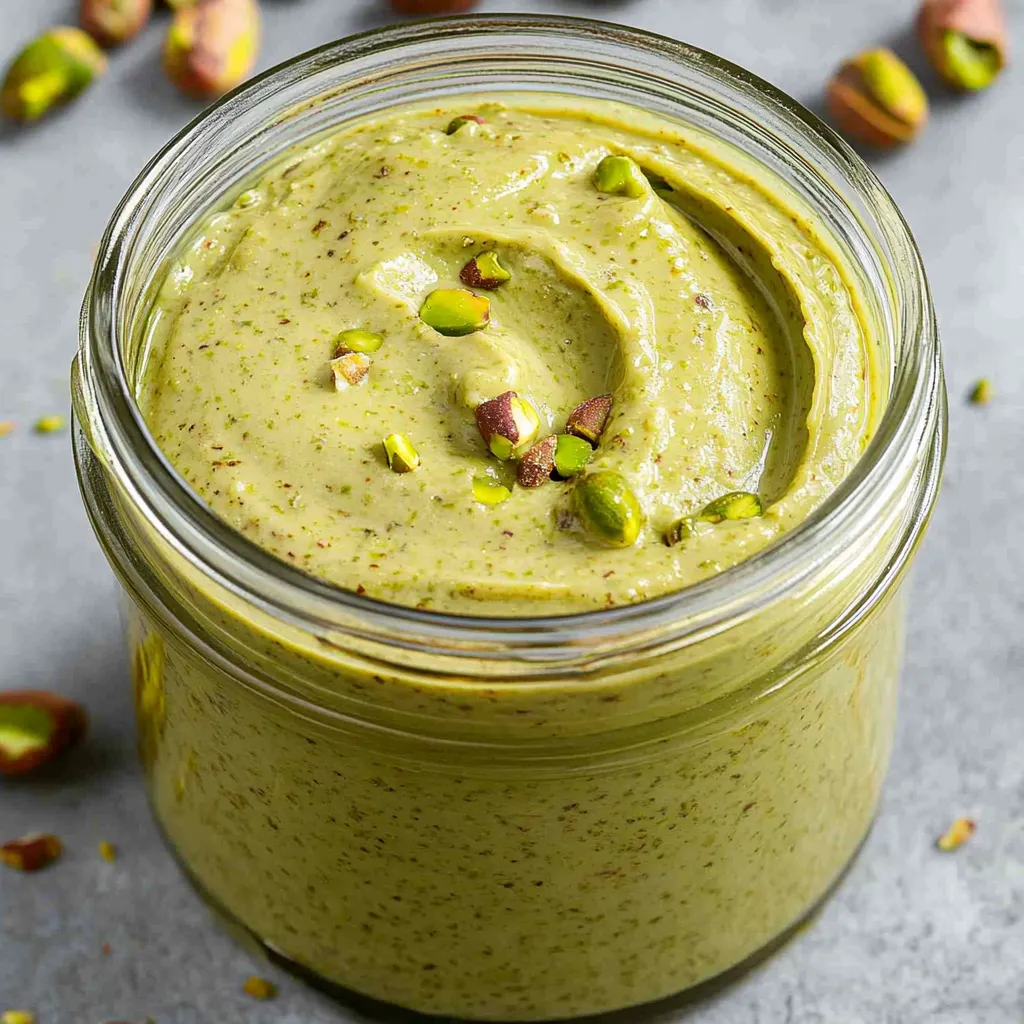
After making pistachio cream probably thirty times over the past two years, it's become one of those pantry staples I keep on hand constantly because it transforms everyday foods into something special with minimal effort. I appreciate how four simple ingredients create something that tastes dramatically better than store-bought versions with their lengthy ingredient lists. The ability to make a batch in ten minutes that lasts for weeks removes any barrier to having it available. Knowing the simple secrets - blend long enough, add oil gradually, use raw nuts - transforms something that could be grainy into something genuinely luxurious. This represents exactly what homemade basics should be - better quality than commercial versions, practical enough to make regularly, versatile enough to use countless ways, and satisfying in how it proves you don't need a factory to produce something excellent.
Frequently Asked Questions
- → Can I use roasted pistachios instead of raw?
- Yes, roasted pistachios work fine, but the flavor will be slightly different and more intense. Just make sure they're unsalted.
- → How long does homemade pistachio cream last?
- It stays fresh in an airtight container in the fridge for up to 4 weeks.
- → Can I make this without sugar?
- Absolutely. You can skip the sugar entirely or use a sugar substitute like monk fruit or stevia to taste.
- → What can I use pistachio cream for?
- Spread it on toast, swirl it into yogurt, use it as a cake filling, drizzle over ice cream, or just eat it by the spoonful.
- → Can I substitute the avocado oil with another oil?
- Yes, neutral oils like grapeseed, sunflower, or light olive oil work well. Avoid strong-flavored oils that might overpower the pistachios.
- → Why is my pistachio cream too thick?
- Just add more oil, a tablespoon at a time, while blending until you reach your preferred consistency.