
 Pin it
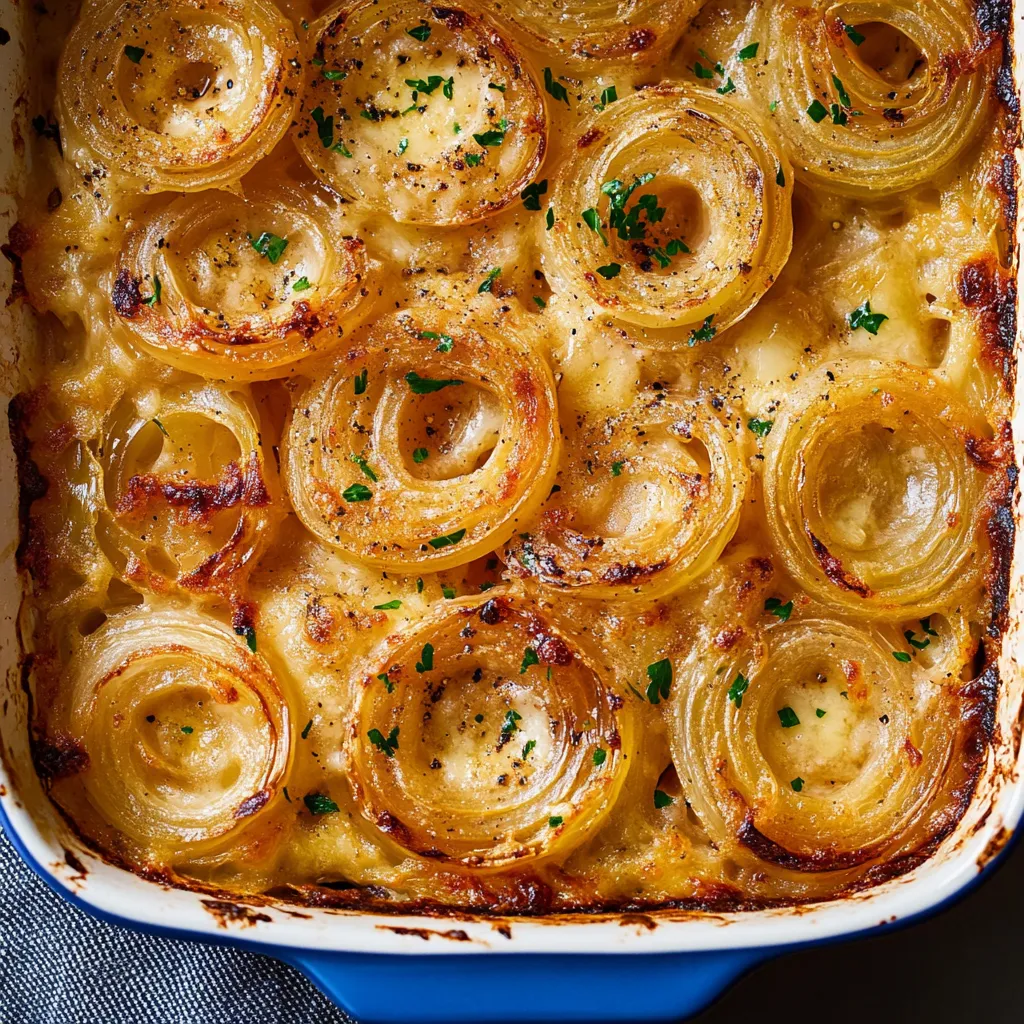
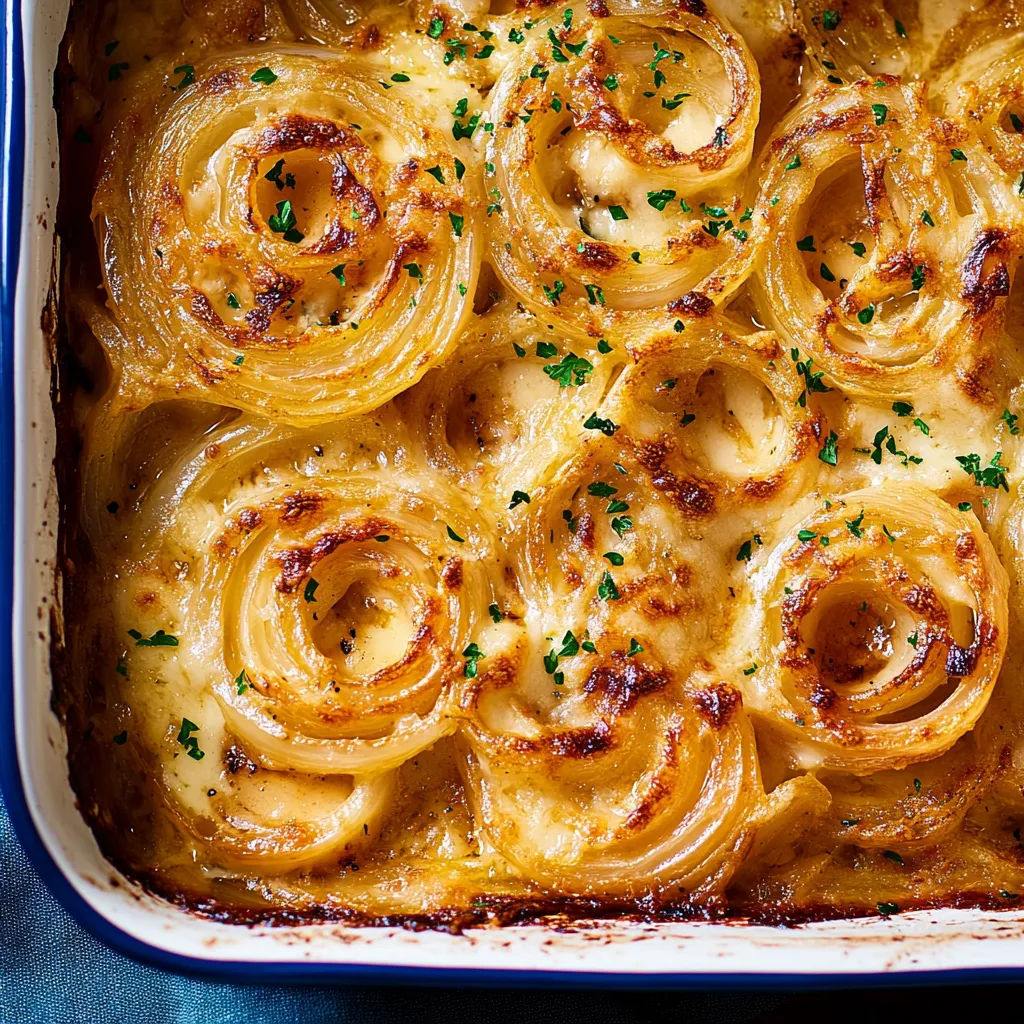
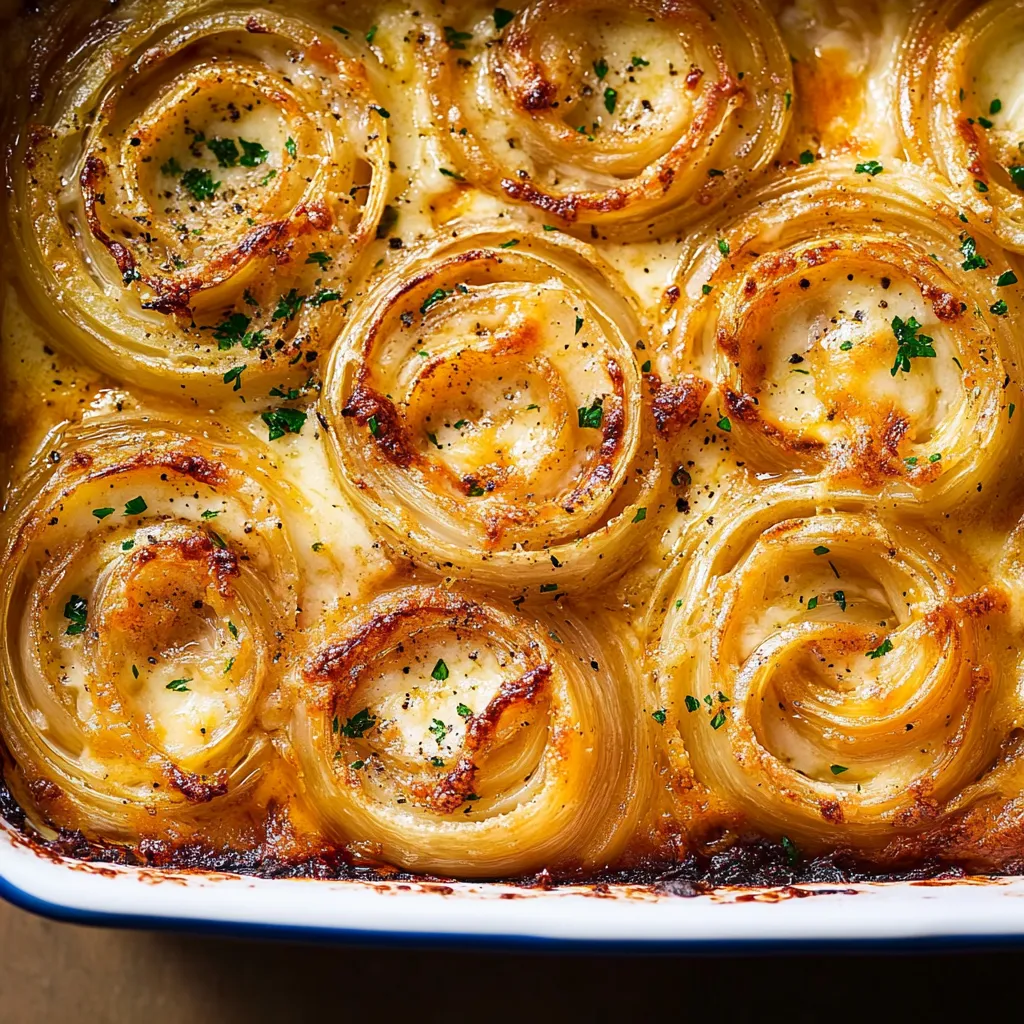
Tennessee onions are one of those Southern casseroles that sounds almost too simple to be good - layers of sliced sweet onions seasoned with spices, covered with multiple cheeses, dotted with butter, then baked until the onions are meltingly tender and the cheese is golden and bubbling. The transformation from raw onion slices to sweet, soft, almost jammy texture happens through long, slow baking covered in foil which steams them, followed by uncovered baking that browns the cheese and intensifies flavors through caramelization. What makes this particularly appealing is how it works both as a side dish for steaks or burgers and as a topping spooned directly onto those burgers, creating this ultimate onion-cheese experience that onion lovers will lose their minds over. The fact that it requires minimal prep - just slicing onions and layering everything - makes it deceptively easy despite looking and tasting impressive.
I started making Tennessee onions about four years ago after seeing a video of someone putting them on a burger and being intrigued by how a casserole of mostly onions could be good. The first batch I made used regular yellow onions instead of sweet onions, and they were too sharp and pungent even after baking. After learning that sweet Vidalia onions are essential because their high sugar content creates that characteristic sweetness, and that covering with foil for most of the baking time prevents burning while allowing proper tenderizing, they became addictive. Now I make them constantly throughout fall and winter because they're one of those sides that makes simple grilled meat feel like a special meal.
Ingredients and What Makes Them Essential
- Vidalia Onions (4 large, about 3 pounds): Vidalia onions from Georgia are uniquely sweet and mild, with lower sulfur content than regular onions. This sweetness is essential to the dish's character. You can substitute other sweet onion varieties like Walla Walla, Maui, or Texas Sweet, but don't use regular yellow onions which are too pungent. The onions should be large and firm.
- Kosher Salt (1 teaspoon): Salt seasons the onions and helps draw out moisture during initial cooking. Use kosher salt which distributes more evenly than table salt.
- Dry Mustard Powder (1 teaspoon): Mustard powder adds subtle sharpness and complexity without visible mustard presence. Don't substitute prepared mustard which has different consistency.
- Garlic Powder (1 teaspoon): Garlic powder provides savory depth. Use powder rather than fresh garlic which could burn during the long baking time.
- Smoked Paprika (1 teaspoon): Smoked paprika adds subtle smokiness and color. Use smoked rather than regular sweet paprika for more complex flavor.
- Cayenne Pepper (¼ teaspoon, adjust to taste): Just a pinch of cayenne adds warmth without obvious heat. Omit if you don't like any spice, or increase for more kick.
- Mild Cheddar Cheese (2 cups, shredded): Mild cheddar melts smoothly and provides classic cheese flavor without being too sharp. Shred it yourself from a block for better melting than pre-shredded.
- Smoked Gouda Cheese (1 cup, shredded): Smoked Gouda adds rich, smoky depth that makes this taste more complex. You can substitute regular Gouda or smoked cheddar if needed.
- Parmesan Cheese (½ cup, grated): Parmesan adds salty, umami richness and helps create the golden top. Freshly grated melts better than pre-grated.
- Unsalted Butter (4 tablespoons, ½ stick, diced): Butter adds richness and helps with browning. Dice it into small pieces so it distributes evenly. Use unsalted so you control salt levels.
- Fresh Parsley (2 tablespoons, chopped, for garnish, optional): Parsley adds color and fresh contrast. This is purely decorative and optional.
Step-by-Step Instructions
- Prepare the Onions:
- Preheat your oven to 350°F and position a rack in the center. Grease a 9x13-inch baking dish with butter or cooking spray. Peel your Vidalia onions and slice them into rounds about ¼ to ⅜ inch thick. Separate the slices into individual rings - some will naturally separate while cutting, and you can gently pull apart the larger rings. Place all the onion rings in a large bowl. Add 1 teaspoon of kosher salt, 1 teaspoon of dry mustard powder, 1 teaspoon of garlic powder, 1 teaspoon of smoked paprika, and ¼ teaspoon of cayenne pepper to the onions. Use your hands to toss everything together, making sure all the onion rings are coated with the spice mixture. The onions should be evenly seasoned.
- Layer the Casserole:
- Arrange half of the seasoned onion rings in an even layer in the bottom of your prepared baking dish. You want them relatively flat but they don't need to be perfectly arranged. Sprinkle 1 cup of shredded mild cheddar cheese evenly over the onions. Sprinkle ½ cup of shredded smoked Gouda evenly over the cheddar. Add the remaining onion rings in another even layer on top of the cheese. Sprinkle the remaining 1 cup of cheddar and ½ cup of smoked Gouda over the top layer of onions. Sprinkle ½ cup of grated Parmesan evenly over everything. Take 4 tablespoons of butter that you've diced into small pieces (about ½-inch cubes) and scatter them evenly across the top of the casserole.
- Bake Covered:
- Cover the baking dish tightly with aluminum foil. Make sure the foil is sealed around the edges to trap steam. Place the covered dish in the preheated 350°F oven and bake for 45 minutes. During this covered baking time, the onions are steaming and softening while the cheese melts. Don't skip this covered baking - it's essential for tenderizing the onions.
- Bake Uncovered:
- After 45 minutes, carefully remove the foil (watch out for steam which can burn). The onions should be very soft and the cheese melted and bubbling. Return the uncovered dish to the oven and bake for another 15 to 20 minutes until the cheese on top is golden brown and bubbly with some darker spots. The onions should be meltingly tender when pierced with a fork. If the cheese isn't browning after 15 minutes, you can turn on the broiler for the last 2 to 3 minutes, watching carefully to prevent burning.
- Rest and Serve:
- Remove the baking dish from the oven and let it rest for about 5 minutes. This allows the casserole to set slightly and makes serving easier. If using parsley, sprinkle chopped fresh parsley over the top for color. Serve hot as a side dish alongside grilled meats, or spoon directly onto burgers as a topping. The casserole is best eaten warm.
 Pin it
My father who claims he doesn't like cooked onions and picks them out of everything tried Tennessee onions at a cookout without knowing what the side dish was. He took a generous scoop, ate it all, then went back for seconds before asking what made the "cheesy potato-looking stuff" so good. When I told him it was almost entirely onions, he looked suspicious and insisted it couldn't be because he hates cooked onions. Now he requests them specifically for family dinners while maintaining he "still doesn't like onions in other things." Converting the onion-hater through cheese and proper cooking feels like a culinary achievement.
Understanding What Makes Vidalia Onions Special
Vidalia onions are a specific variety (Yellow Granex) grown in a designated region around Vidalia, Georgia, where the soil's low sulfur content creates unusually sweet, mild onions. Regular onions contain sulfur compounds that create sharp, pungent flavor and make your eyes water when cutting them. Vidalia onions have significantly lower sulfur content, which makes them sweeter, milder, and less likely to cause tears. They also have higher water content and sugar content than regular onions. When cooked, these natural sugars caramelize, creating even more sweetness. This is why the recipe specifically calls for Vidalia or other sweet onion varieties - their fundamental chemical composition is different from regular onions. Using yellow or white onions would create a dish that's sharp and pungent rather than sweet and mild. Vidalia onions are available fresh typically March through August, but you can find them year-round in some stores, or substitute other sweet varieties like Walla Walla, Maui, or Texas Sweet.
The Role of Covering During Baking
The two-stage baking process - covered then uncovered - is essential to proper texture and flavor development. Covering the dish with foil for the first 45 minutes creates a steaming environment. The trapped moisture and heat soften the onions without drying them out. During this time, the onions release their own moisture, which combines with the melting cheese and butter to create a saucy consistency. The gentle, moist heat breaks down the onions' cell walls, transforming them from crunchy to tender. If you baked uncovered from the start, the surface would dry out and potentially burn before the onions underneath could soften. After 45 minutes of covered baking, the onions are tender enough that you can remove the foil. The final 15-20 minutes of uncovered baking allows moisture to evaporate, concentrates flavors, and browns the cheese on top through the Maillard reaction, creating that golden, slightly crusty top layer that provides textural contrast.
Why Multiple Cheeses Matter
Using three different cheeses isn't excessive or unnecessarily complicated - each contributes specific qualities. Mild cheddar (2 cups) forms the bulk of the cheese and provides excellent melting properties, creating smooth, gooey texture and classic cheese flavor without being too sharp or overwhelming the onions' sweetness. Smoked Gouda (1 cup) adds rich, smoky depth that makes the dish taste more complex and sophisticated - it's the "what is that amazing flavor" element people notice but can't identify. Parmesan (½ cup) contributes concentrated umami and salty punch, and because it's sprinkled on top, it creates the golden-brown crust during the final uncovered baking. Together, these three cheeses create layered flavor that's more interesting than any single cheese would provide. You could use all cheddar if necessary, but the combination genuinely elevates the dish.
The Spice Blend and Flavor Building
The combination of mustard powder, garlic powder, smoked paprika, and cayenne isn't random - each spice contributes specific flavor elements that prevent this from being one-dimensional cheese-and-onion. Dry mustard adds subtle tang and sharpness without obvious mustard presence. Garlic powder provides savory depth that complements both onions and cheese. Smoked paprika contributes subtle smokiness that echoes the smoked Gouda and adds warm color. Cayenne provides background heat that heightens perception of all the other flavors without being obviously spicy. Together, these spices create complexity and depth that makes people say "this tastes amazing" without being able to identify why. The spices are mixed with the raw onions before baking, which means their flavors infuse throughout the dish during the long cooking time.
Serving Suggestions and Uses
Tennessee onions work beautifully in multiple contexts. As a traditional side dish, serve alongside grilled steaks, pork chops, roasted chicken, or barbecued ribs. The sweet, rich onions complement smoky, charred meat perfectly. For burgers, spoon a generous amount directly onto grilled hamburgers - this is where the dish truly shines, creating the ultimate onion burger experience with gooey cheese and sweet onions in every bite. For casual meals, serve with meatloaf or baked chicken. For holiday dinners, include it as part of a Southern spread alongside mac and cheese and green beans. For breakfast or brunch, serve with eggs and bacon. For potlucks, it travels well and stays warm in the dish. Calculate about ½ to ¾ cup per person as a side dish, or plan on using about ¼ cup per burger as a topping.
Storage, Reheating, and Make-Ahead
Tennessee onions store and reheat well, making them excellent for advance preparation. Let the casserole cool completely, then cover tightly with foil or transfer to an airtight container. Refrigerate for up to 4 days. To reheat, place in a 350°F oven, covered with foil, for about 20 minutes until heated through. Or microwave individual portions, stirring halfway through. The texture changes slightly during storage - the onions continue softening and absorbing liquid, becoming even more tender. For make-ahead convenience, you can assemble the entire casserole up to 24 hours in advance, cover tightly, and refrigerate. When ready to bake, let it sit at room temperature for 30 minutes, then bake as directed, adding about 10 minutes to the covered baking time since it's starting cold. Don't freeze this casserole - the onions become watery and the cheese separates when thawed.
Variations and Customization Ideas
While the classic version is excellent, you can create variations. For spicier onions, increase cayenne to ½ teaspoon or add diced jalapeños between layers. For bacon onions, add ½ cup of cooked, crumbled bacon between the layers. For different cheese combinations, try pepper jack for heat, gruyere for sophistication, or fontina for creaminess. For herb versions, add fresh thyme or rosemary with the spices. For crunchier topping, sprinkle crushed crackers or panko breadcrumbs on top for the final uncovered baking. For caramelized onions, cook the sliced onions in butter on the stovetop until deeply golden before assembling the casserole. For red onion version, use red onions for slightly different flavor and dramatic color. Each variation maintains the core concept while creating different flavor profiles.
Troubleshooting Common Problems
When Tennessee onions don't turn out right, there's usually a fixable cause. If onions are still crunchy, you didn't bake long enough or your oven runs cool - bake until completely tender when pierced with fork. If the top burns before onions soften, your oven is too hot or you uncovered too early - reduce temperature by 25 degrees and keep covered for full 45 minutes. If it's too watery, the onions released excess moisture - drain some liquid after covered baking or simmer uncovered longer to reduce. If it tastes sharp and harsh, you used regular onions instead of sweet - always use Vidalia or similar sweet varieties. If cheese didn't brown, you removed it too early or oven wasn't hot enough - bake uncovered longer or use broiler briefly. If it's bland, you underseasoned - add more spices or salt. Most issues relate to onion variety, baking time, or temperature management.
 Pin it
After making Tennessee onions probably thirty times over the past four years, they've become one of my most reliable impressive side dishes because they consistently wow people while requiring minimal actual skill or effort. I appreciate how sweet Vidalia onions transform completely during baking, going from sharp and crunchy to sweet and jammy. The combination of three cheeses creates richness and complexity that makes something as simple as onions taste special. The ability to assemble it completely ahead and bake when needed removes stress from dinner parties. Knowing the simple secrets - use sweet onions, cover for most of baking, don't skip the spices - transforms something that could be bland into something genuinely crave-worthy. This represents exactly what comfort food should be - simple ingredients elevated through proper technique, impressive enough to serve to guests, nostalgic and satisfying in ways that make you reach for seconds, and practical enough to make regularly because it's not actually complicated despite seeming fancy.
Frequently Asked Questions
- → Can I use regular onions instead of Vidalia?
- Yes, but sweet onions like Vidalia give the best flavor. Regular yellow onions will work but might taste sharper and less sweet.
- → Can I make this ahead of time?
- Absolutely. Assemble the dish up to a day ahead, cover, and refrigerate. Add about 10 extra minutes to the covered baking time since it'll be cold.
- → What can I substitute for smoked Gouda?
- Regular Gouda, smoked cheddar, or even mozzarella work well. You'll lose some of the smoky flavor but it'll still taste great.
- → Why are my onions watery?
- Onions release liquid as they cook. Make sure to bake uncovered for the full 30 minutes at the end so excess moisture can evaporate.
- → How do I store leftovers?
- Keep them in an airtight container in the fridge for up to 4 days. Reheat in the oven at 350°F until warmed through.
- → Can I freeze Tennessee Onions?
- It's not recommended. The onions and cheese don't freeze well together and the texture becomes mushy when thawed.